Your shopping cart is empty!
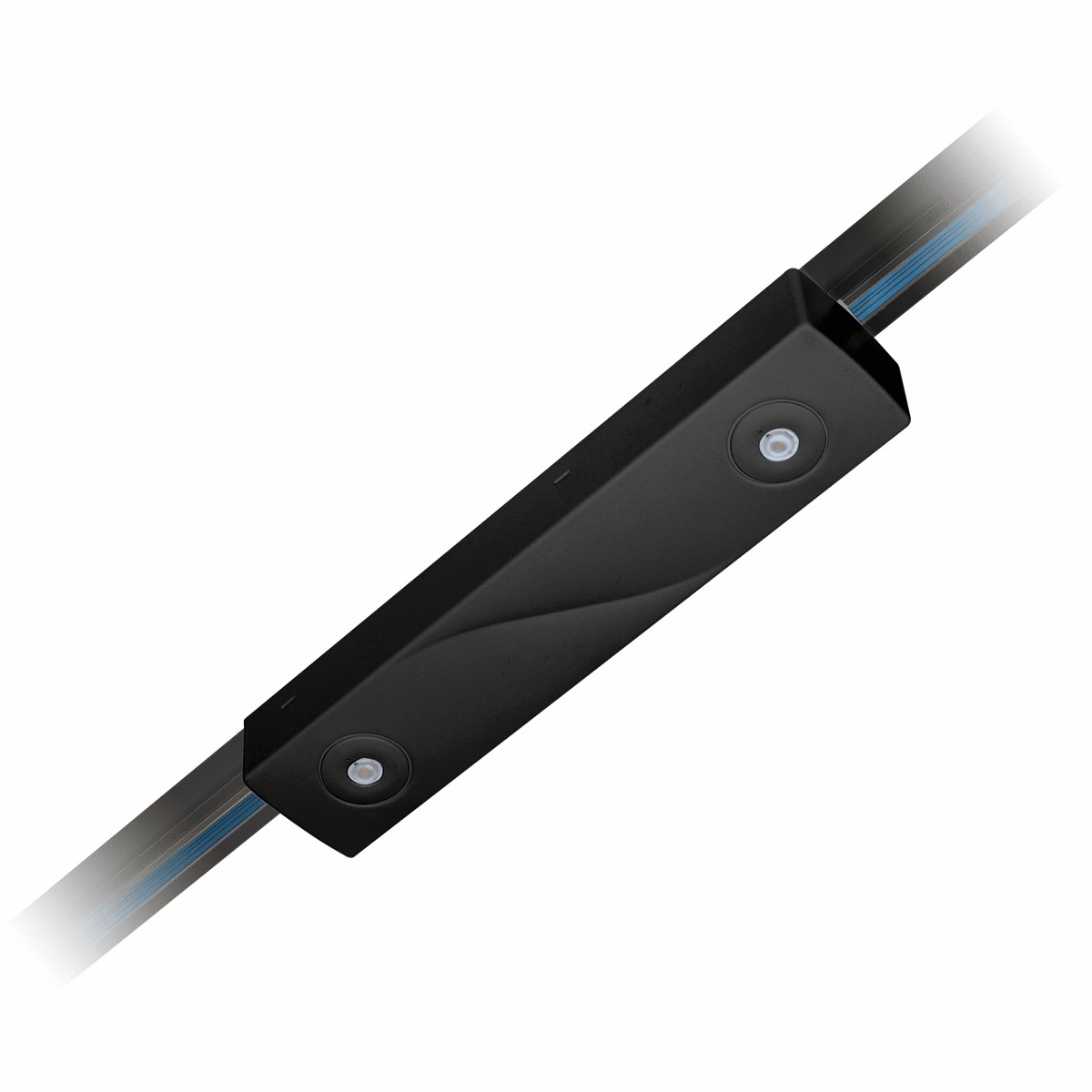
Domus Track 3 Circuit Emergency Kit Class D40
$54.5
$109
SKU: KO80391096090
Availability:
in Stock
The Domus Track 3-Circuit Emergency Kit is a D40-classified emergencyluminaire on a track adaptor for 3-circuit track, inblack or white. Emergency lighting that moves with the shop Emergency luminaires are…
The Domus Track 3-Circuit Emergency Kit is a D40-classified emergencyluminaire on a track adaptor for 3-circuit track, inblack or white.
Emergency lighting that moves with the shop
- Emergency luminaires are normally fixed recessed or surface-mounted at positionsdetermined by a spacing calculation. Once installed, they stay.
- THAT IS A PROBLEM IN RETAIL, WHERE THE FLOOR LAYOUT CHANGES. A shopthat moves its shelving has moved its escape routes, and emergency lighting positioned for the old layoutmay no longer light the new one correctly.
- A TRACK-MOUNTED EMERGENCY FITTING SLIDES. When the aisles move, theemergency lighting moves with them without an electrician, without a new penetration, and withoutre-running cable.
- IT ALSO MEANS THE EMERGENCY PROVISION USES INFRASTRUCTURE THAT IS ALREADYTHERE on a fitout with track through the sales floor, no separate emergencycircuit or ceiling work is needed for those positions.
- THE COMPLIANCE POINT REMAINS: the spacing still has to satisfy the certifier, and a fittingthat can move is a fitting that can be moved WRONG. Record the compliant positions andcheck them after any layout change.
D40 classification, and what it decides
- The classification is D40 under AS2293.3. The letterdescribes the light distribution and the number is a spacing basis.
- PRACTICALLY IT TELLS A DESIGNER HOW FAR APART THESE CAN SIT and still meet the requiredfloor illuminance which drives the cost of an emergency scheme more than thelumen output does.
- D40 is the lower of the two classifications in the Domus emergency range; the D63 fittingselsewhere give wider spacing and more light. On a large open floor that difference meansnoticeably fewer fittings.
- Your certifier will work from the spacing tables rather than the classification numberalone. Tell us the floor area and we will check the count with you beforeordering.
Which circuit should it be on?
THIS IS THE QUESTION THE PRODUCT RAISES AND THE LISTING DOES NOT ANSWER. An emergency luminaire needs a permanent live to keep its battery charged, while the whole pointof a 3-circuit track is that circuits are switched. A fitting on a circuit that isswitched off overnight is a fitting whose battery is charging only during trading hours. THE USUAL ANSWER IS TO DEDICATE ONE CIRCUIT AS PERMANENTLY LIVE for emergency fittings which uses one of your three, and is a decision to make at fitout rather thanafterwards. Confirm the arrangement with us and your electrician beforeordering.
What is not published, and it is nearly everything
- No datasheet is attached. No lumen output, no duration, no battery type,no charge time, no dimensions, no weight, no warranty.
- FOR AN EMERGENCY LUMINAIRE THE DURATION IS A COMPLIANCE FIGURE AS2293 requires a minimum maintained period, and it is not something to assume. Nor is whether the unit is self-testing, which for a fitting on a shop floor determines who hasto test it and how often.
- WE HAVE NOT ESTIMATED ANY OF IT. Its record publishes onlybulb_type and application, which tell a buyer nothing.
- ASK US BEFORE SPECIFYING THIS ON A COMPLIANCE SCHEME. The concept issound and the figures need confirming.
Where the idea earns its place
Retail fitouts that rearrange, pop-up and seasonal stores, galleries that rehang, and anytenancy where the fitout will change within the life of the building. IN A SHELL-AND-CORE TENANCY IT IS PARTICULARLY USEFUL: the landlord provides track and thetenant hangs both the display lighting and the emergency provision from it, so a fitout change does notbecome a ceiling job. In a fixed layout an office, a corridor, a stairwell a conventional fixed emergency fitting is simpler, cheaper and not worse.
What is published
| Specification | Value |
|---|---|
| What it is | An emergency luminaire on a track adaptor |
| Why that matters | Emergency lighting that moves when the layout does |
| Classification | D40 under AS2293.3 it sets the spacing |
| vs D63 elsewhere | D63 gives wider spacing and more light |
| The open question | Which circuit? it needs a permanent live |
| Usual answer | Dedicate one of the three circuits as always-live |
| Duration | Not published and it is a COMPLIANCE figure |
| Output / battery / self-test | None published |
| Dimensions / warranty | Neither published |
| Finishes | Black White |
Where it works
- Retail fitouts that rearrange the emergency moves too.
- Shell-and-core tenancies landlord track, tenant fitout.
- Pop-up and seasonal stores.
- Not in a fixed layout a conventional fitting is simpler.
- Not on a compliance scheme without confirming the duration.
Specifying it
D40-classified emergency luminaire on a 3-circuit track adaptor. Black or white. Classificationto AS2293.3. EMERGENCY LIGHTING THAT MOVES WITH THE SHOP. Emergency luminaires are normally fixed atpositions determined by a spacing calculation, which is a problem in retail a shop that moves itsshelving has moved its escape routes, and lighting positioned for the old layout may not serve the new one.A track-mounted fitting slides with the aisles: no electrician, no new penetration, no re-run cable. THE QUESTION THE LISTING DOES NOT ANSWER IS WHICH CIRCUIT: an emergency fitting needs a permanent live tocharge, and 3-circuit track exists to be switched. NO DURATION, OUTPUT, BATTERY OR SELF-TEST DETAIL ISPUBLISHED, and duration is a compliance figure ask us before specifying it.
Supplied and supported by Lights For You.
Questions
Why put emergency lighting on track?
Because it moves with the shop. Emergency luminaires are normally fixed at positions determined by a spacing calculation, and once installed they stay which is a problem in retail, where a shop that moves its shelving has moved its escape routes. A track-mounted fitting slides with the aisles, without an electrician, a new penetration or re-run cable.
Is there a compliance catch?
One worth understanding. The spacing still has to satisfy the certifier, and a fitting that can move is a fitting that can be moved wrong. Record the compliant positions and check them after any layout change the flexibility is the benefit and also the risk.
Which circuit should it be on?
This is the question the listing does not answer. An emergency luminaire needs a permanent live to keep its battery charged, while the whole point of a 3-circuit track is that circuits are switched a fitting on a circuit switched off overnight is charging only during trading hours. The usual answer is to dedicate one circuit as permanently live for emergency fittings, which uses one of your three and is a decision to make at fitout. Confirm the arrangement with us and your electrician before ordering.
What does D40 mean?
A classification under AS2293.3 where the letter describes the light distribution and the number is a spacing basis it tells a designer how far apart these can sit and still meet the required floor illuminance. That drives the cost of an emergency scheme more than lumen output does. D40 is the lower of the two classifications in the Domus range; the D63 fittings give wider spacing and more light, which on a large open floor means noticeably fewer fittings.
What is not published?
Nearly everything. No datasheet, no lumen output, no duration, no battery type, no charge time, no dimensions, no weight and no warranty. Its record publishes only a bulb type and an application, which tell a buyer nothing.
Which missing figure matters most?
The duration, because it is a compliance figure AS2293 requires a minimum maintained period and it is not something to assume. Whether the unit is self-testing matters nearly as much, because for a fitting on a shop floor it determines who has to test it and how often. We have not estimated either. Ask us before specifying this on a compliance scheme.
When would a conventional fitting be better?
In a fixed layout an office, a corridor, a stairwell where a conventional fixed emergency fitting is simpler, cheaper and not worse. The track version earns its place where the fitout will change: retail that rearranges, pop-ups, galleries that rehang, and shell-and-core tenancies where the landlord provides track and the tenant hangs both display and emergency lighting from it.
Only logged in customers who have purchased this product may leave a review.
Shipping policy for our store
We offer fast and reliable shipping worldwide. All orders are carefully packaged and shipped within 1–3 business days after payment confirmation.
- Fast shipping within 1-3 business days
- Free shipping on orders over $40
- 30 days money back guarantee
- 24/7 online customer support
- Secure packaging & safe delivery
Standard shipping, expedited shipping and express delivery options are available at checkout. Delivery time depends on your destination country and local logistics.