
Your shopping cart is empty!

Domus SUNSOLAR LED Duo 3K/4K Solar C/W 2m Post
$147
$362
SKU: KO80391096206
Availability:
in Stock
The Domus SUNSOLAR-1 is a solar post-top area light 20W, 2,100lumens, 360 beam,IP65, switchable 3000/4000K, supplied with a2m aluminium post. The battery cannot do what the runtime figure implies The…
The Domus SUNSOLAR-1 is a solar post-top area light 20W, 2,100lumens, 360 beam,IP65, switchable 3000/4000K, supplied with a2m aluminium post.
The battery cannot do what the runtime figure implies
- The sheet publishes three numbers that have to be read together: a 38.4Wh battery (6.4V 6,000mAh), a 20Wlamp at 2,100lumens, and a Lighting Time: >32h.
- THIRTY-TWO HOURS AT 20 W REQUIRES 640 Wh. The battery holds 38.4. That is a factor of seventeen.
| Reading | Runtime at full output | Wh needed for 32h |
|---|---|---|
| At the sheet’s 20W | 1.9 hours | 640Wh 17 the battery |
| At the record’s 11.5W | 3.3 hours | 368Wh 10 the battery |
- THE RECORD’S 11.5W CAN BE RULED OUT SEPARATELY: at 11.5W, 2,100 lumens would be183lm/W implausible for an SMD array at CRI 80. At 20W it is 105lm/W, which is ordinary. So 20W is the realfigure.
- THE ONLY READING THAT CLOSES IS THAT IT DOES NOT RUN AT FULL OUTPUT ALL NIGHT. Solar area lights step down after a set period bright when triggered or early in theevening, then much dimmer through the small hours. Averaged across 32 hours the batterysupports about 1.2W, which is roughly 6% of full output.
- NOTHING PUBLISHED SAYS SO. A 2,100-lumen headline beside a >32-hourruntime invites a reading the battery cannot support. Expect a bright period and a longdim one; ask us before specifying it where a consistent light level matters.
What it is genuinely good at
- Domus is clear about the use case and it is a sound one: places where running mains cable isdifficult or expensive farms, parklands, large backyards, long driveways.
- THE ECONOMICS ARE THE POINT, NOT THE LIGHT. Trenching and cabling to apost 80metres from a switchboard costs far more than the fitting; a solar light removes thatentirely. Against a mains post light it is dimmer and less consistent; against no lightat all, which is the real alternative in those positions, it is transformative.
- It switches itself on at dusk and off at dawn no switch, notimer, no controls to fail.
- Charging takes 4 to 6 hours of good sun. THAT IS THE FIGURE TO WORRYABOUT IN WINTER OR UNDER TREES a panel in partial shade may not reach a fullcharge on a short overcast day, and the runtime falls accordingly. Site it where it getsunobstructed midday sun, not where the light is most wanted, if the two conflict.
360 and 2,100 lumens what that actually covers
A 360 post-top light throws in every direction rather than downward in a cone. That suits an open area a yard, a paddock gate, a car park corner where light iswanted all round rather than on a path. It also means a good deal of the light goessideways and upward, so it is not efficient at lighting a surface and it will be visiblefrom a distance. On a rural boundary that is often welcome; near a neighbour it isnot.
Its record says “Indoor”. It is a solar post light.
The product record carries application = Indoor. A solar-powered post-top area light supplied with a 2metre outdoor post is an outdoorproduct by definition it cannot charge indoors. It is a template default ratherthan a claim, and this programme has found the same pattern on brackets and mounting plates. The IP65 rating and the aluminium post are the record that matters.
Suits 60 mm posts, and the post is included
The kit comes with a 2m 60mm aluminium post in black, so itis a complete installation rather than a head needing a mount which is worth noting in a cataloguewhere several fittings are not. The head also suits any existing 60mm post, so on a site that already has posts you can buy heads alone; ask us. Two metres is a modest height for an area light it puts the sourcenear eye level, which spreads light close in and limits the reach.
What is published
| Specification | Value |
|---|---|
| Runtime vs battery | >32h claimed 38.4Wh supports 1.9h at full output |
| Which means | It must step down overnight and nothing says so |
| Output | 2,100lm at 3000 and 4000K |
| Load | 20W the record says 11.5W |
| Why 20W | 105lm/W is ordinary; 11.5W would be 183lm/W |
| Battery / charge | 38.4Wh LiFePO4-type 46h to charge |
| Beam | 360 open areas, not paths |
| IP / material | IP65 ABS with a PC opal diffuser, V0 fireproof, anti-UV |
| Supplied with | 2m 60mm aluminium post a complete installation |
| Record says | application = Indoor it is a solar outdoor product |
Where it works
- Where running mains is difficult or expensive the real case.
- Farms, parklands, large backyards, driveways.
- Open areas wanting light all round 360.
- Not where a consistent level matters it must step down.
- Not under trees or in winter shade 46h of sun needed.
Specifying it
Solar post-top area light. 20W, 2,100lm at 3000 or 4000K switchable. 360 beam.IP65, ABS with PC opal diffuser, V0 fireproof and anti-UV. 38.4Wh battery, 46h charge.Dusk-to-dawn automatic. Supplied with a 2m 60mm aluminium post; suits any 60mmpost. ITS PUBLISHED FIGURES DO NOT RECONCILE. Thirty-two hours at 20 W requires 640 Wh and thebattery holds 38.4 a factor of seventeen. The battery supports 1.9 hours at full output, or about 1.2 Waveraged across 32 hours, which is roughly 6% of full. THE ONLY READING THAT CLOSES IS THAT IT STEPS DOWNOVERNIGHT, and nothing published says so. Expect a bright period and a long dim one. THE ECONOMICS ARESTILL THE POINT: against trenching to a post 80 metres from a switchboard, a solar light removes the costentirely.
Supplied and supported by Lights For You.
Questions
Will it really run for 32 hours?
Not at full output. The published figures are a 38.4Wh battery, a 20W lamp and a runtime of over 32 hours but 32 hours at 20W requires 640Wh, seventeen times the battery. The battery supports about 1.9 hours at full output, or roughly 1.2W averaged across 32 hours, which is about 6% of full.
So what actually happens?
It must step down overnight, which is how solar area lights normally work bright when triggered or early in the evening, then much dimmer through the small hours. Nothing published says so, and a 2,100-lumen headline beside a 32-hour runtime invites a reading the battery cannot support. Expect a bright period and a long dim one.
Is it 20W or 11.5W?
20W. The record says 11.5W, but at that figure 2,100 lumens would be 183 lumens per watt implausible for an SMD array at CRI 80. At 20W it is 105 lm/W, which is ordinary. The efficacy check settles it independently of the battery question.
When is a solar light the right choice?
Where running mains cable is difficult or expensive farms, parklands, large backyards, long driveways. The economics are the point rather than the light: trenching and cabling to a post 80 metres from a switchboard costs far more than the fitting. Against a mains post light it is dimmer and less consistent; against no light at all, which is the real alternative in those positions, it is transformative.
What should I watch when siting it?
The sun, not the light. Charging takes 4 to 6 hours of good sun, and a panel in partial shade may not reach a full charge on a short overcast day the runtime falls accordingly. Site it where it gets unobstructed midday sun rather than where the light is most wanted, if the two conflict.
What does a 360 degree beam suit?
Open areas a yard, a paddock gate, a car park corner where light is wanted all round rather than on a path. It also means a good deal of light goes sideways and upward, so it is not efficient at lighting a surface and it will be visible from a distance. On a rural boundary that is often welcome; near a neighbour it is not.
Why does the record say “Indoor”?
It should not. A solar-powered post-top area light supplied with a 2 metre outdoor post is an outdoor product by definition it cannot charge indoors. It is a template default rather than a claim; this catalogue carries the same pattern on brackets and mounting plates. The IP65 rating and the aluminium post are the record that matters.
Only logged in customers who have purchased this product may leave a review.
Shipping policy for our store
We offer fast and reliable shipping worldwide. All orders are carefully packaged and shipped within 1–3 business days after payment confirmation.
- Fast shipping within 1-3 business days
- Free shipping on orders over $40
- 30 days money back guarantee
- 24/7 online customer support
- Secure packaging & safe delivery
Standard shipping, expedited shipping and express delivery options are available at checkout. Delivery time depends on your destination country and local logistics.
Related Products
 -50%
 -50%
 -20%
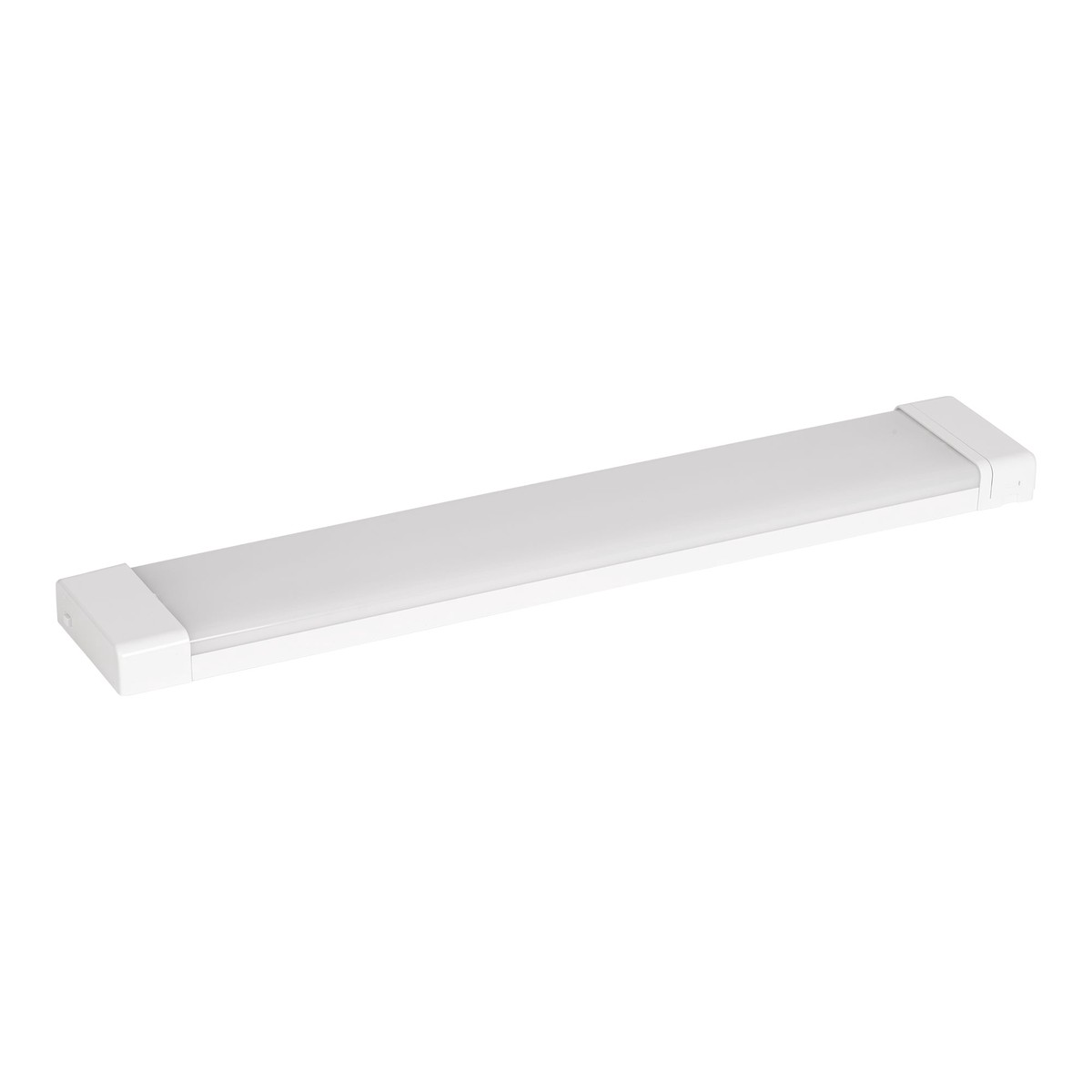
600mm LED Slim Batten Light
$34.392 $42.99 -50%