Your shopping cart is empty!
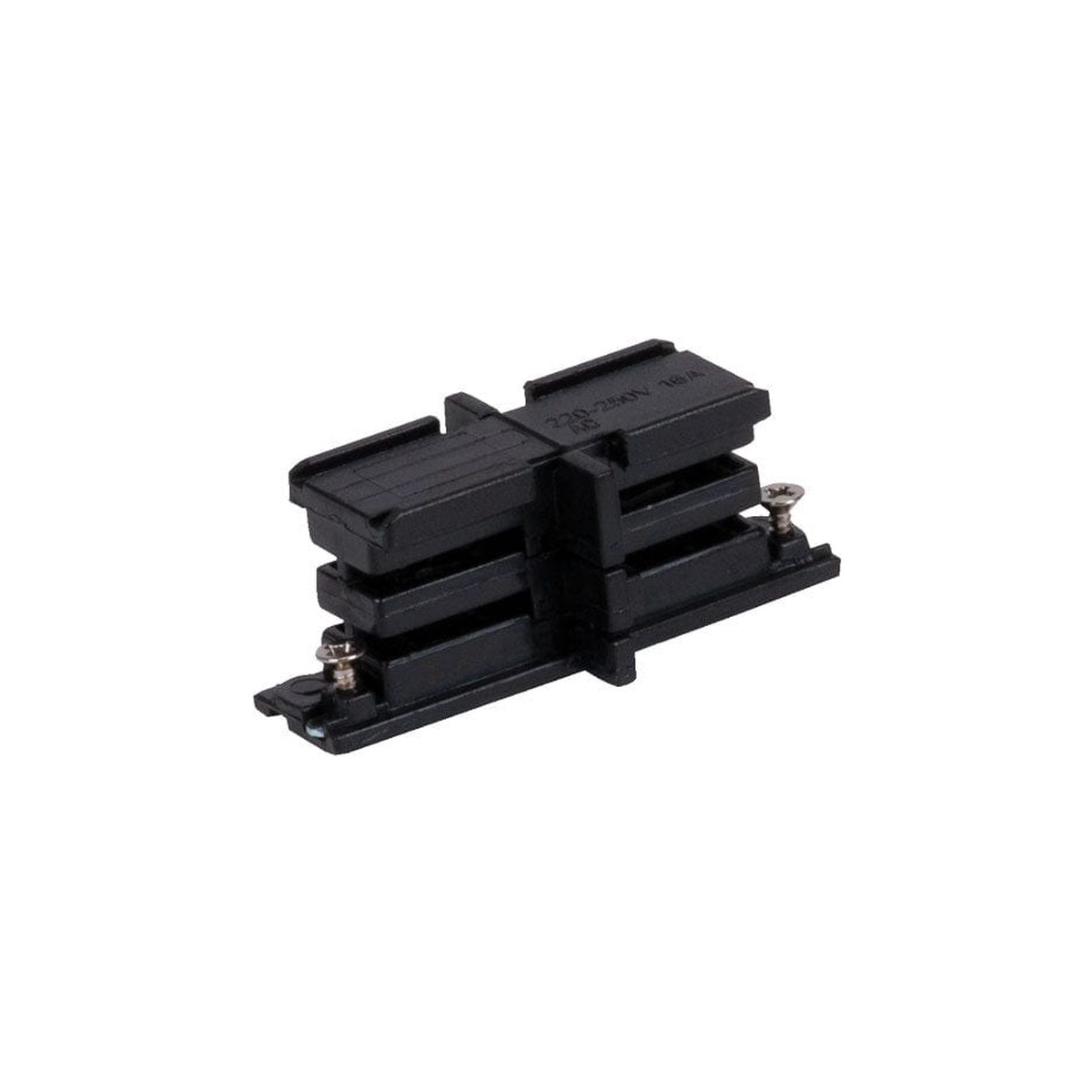
TRAK-3 CIRCUIT STRAIGHT DEAD JOINER
$5.592
$6.99
SKU: KO80391100736
Availability:
in Stock
The Domus TRAK-3 straight dead joiner is a mechanical joiner for3-circuit track 80 30 40mm, 240V, inblack or white. "Dead" is the specification, not a description A dead joiner aligns…
The Domus TRAK-3 straight dead joiner is a mechanical joiner for3-circuit track 80 30 40mm, 240V, inblack or white.
“Dead” is the specification, not a description
- A dead joiner aligns and mechanically couples two track lengths. It does not carry current across the joint.
- A LIVE JOINER DOES BOTH. THAT IS THE ENTIRE DIFFERENCE, AND IT IS THE COMMONEST TRACKORDERING MISTAKE.
- FIT A DEAD JOINER WHERE A LIVE ONE WAS NEEDED and the second length of track ismechanically perfect and electrically dead. Every fitting beyond the joint doesnothing, and the fault looks like a supply problem rather than a componentchoice.
- SO CONFIRM WHICH YOU NEED BEFORE ORDERING. The rule is simple: if powerenters the run on the far side of the joint, or if the joint is mid-run between a feed and fittings, youneed a live joiner. A dead joiner is right where each length has its own feed, or where the joint is pastthe last fitting.
Where a dead joiner is the right choice
- SEPARATELY FED RUNS THAT NEED TO LOOK CONTINUOUS. Two circuits, twofeeds, one visually unbroken line of track the dead joint keeps them electrically independent whilethe run reads as one element.
- THAT MATTERS IN COMMERCIAL SPACES where a long run crosses a switching or meteringboundary a retail floor split between two tenancies, or a gallery where one halfis on a different circuit.
- IT ALSO SUITS A RUN THAT EXCEEDS WHAT ONE CIRCUIT SHOULD CARRY. 3-circuit track handles high loads, but the supply feeding it still has a limit splittinga long run into two fed sections with a dead joint between them is the standardanswer.
- AND IT IS THE SAFER DEFAULT WHEN THE CIRCUIT DESIGN IS NOT YET SETTLED, because a dead joint can be replaced with a live one later, where an unwanted live joint meansrethinking the circuit.
Alignment is the other half of its job
A TRACK JOINT IS A HINGE, AND A JOINER’S MECHANICAL ACCURACY IS WHAT KEEPS A LONG RUNREADING AS ONE LINE. A joint that is a degree out shows as a visible kink over thelength of a run, and it is far more obvious on a ceiling than on a drawing because the track catches lightalong its edge. Support the joint properly: a suspension point or a fixing at everyjoint, because an unsupported joint is where a track sags and where a kinkdevelops. Fit the joiner before final tightening of the fixings either side, so thetrack can align itself rather than being forced.
Its datasheet belongs to the track, not to this part
Our triage flags this product’s sheet as CONTRADICTED and as a familysheet, with an item table naming SKUs 2215022153 track lengths rather than thisjoiner. SO ITS SPECIFICS ARE NOT THIS PART’S. The generalinformation is true of the system and useful: 3-circuit track mounts to ceiling or wall, installs at anyheight, and carries high power loads, giving a modular solution for commercial or residential indoorlighting. The dimensions on this product’s own record 80 30 40mm are plausible for a joiner and consistent with the part itdescribes.
Match the finish, and count the joiners
Black or white, to match the track. A JOINER IS SMALL BUT IT SITS IN THEMIDDLE OF A CONTINUOUS LINE, so a mismatched one is more conspicuous than its sizesuggests it interrupts exactly the thing the run is trying toachieve. Count one joiner per joint and order them with the track rather than after:they are the component most often left off a schedule, and a run cannot be completed withoutthem. Confirm whether your run needs live or dead joiners at each position beforeordering quantities of either.
What is published
| Specification | Value |
|---|---|
| “Dead” means | Mechanical only no current across the joint |
| A LIVE joiner | Does both that is the entire difference |
| Getting it wrong | The track beyond the joint is DEAD |
| And the fault looks like | A supply problem not a component choice |
| Use a dead joiner when | Each length has its own feed, or the joint is past the last fitting |
| Which suits | Separately fed runs that must look continuous |
| And long runs | Split into two fed sections with a dead joint between |
| Alignment | A joint is a hinge support every one |
| Its datasheet | CONTRADICTED its item table names track SKUs |
| Dimensions / warranty | 80 30 40mm 3 years |
Where it works
- Separately fed runs independent, visually continuous.
- Across a switching or metering boundary two tenancies.
- Splitting a run that exceeds one circuit the standard answer.
- Not where power must cross the joint use a live joiner.
- Not left off the schedule one per joint, ordered with the track.
Specifying it
Straight dead joiner for TRAK-3 3-circuit track. 80 30 40mm. 220240V. Black orwhite. 3-year warranty. “DEAD” IS THE SPECIFICATION, NOT A DESCRIPTION. A dead joiner aligns and mechanically couplestwo track lengths and does NOT carry current across the joint; a live joiner does both. That is the entiredifference and it is the commonest track ordering mistake fit a dead joiner where a live one was neededand the second length is mechanically perfect and electrically dead, with every fitting beyond the jointdoing nothing and the fault looking like a supply problem. THE RULE IS SIMPLE: if power enters the run onthe far side of the joint, or the joint sits mid-run between a feed and fittings, you need a LIVE joiner. Adead joiner is right where each length has its own feed, or where the joint is past the lastfitting.
Supplied and supported by Lights For You.
Questions
What does “dead” mean here?
It is the specification rather than a description. A dead joiner aligns and mechanically couples two track lengths but does not carry current across the joint. A live joiner does both.
What happens if I order the wrong one?
The second length of track ends up mechanically perfect and electrically dead every fitting beyond the joint does nothing, and the fault looks like a supply problem rather than a component choice. It is the commonest track ordering mistake.
How do I know which I need?
If power enters the run on the far side of the joint, or the joint sits mid-run between a feed and its fittings, you need a live joiner. A dead joiner is right where each length has its own feed, or where the joint is past the last fitting.
When is a dead joiner the better choice?
Separately fed runs that need to look continuous two circuits, two feeds, one visually unbroken line, with the dead joint keeping them electrically independent. That matters in commercial spaces where a long run crosses a switching or metering boundary, like a retail floor split between two tenancies. It also suits a run that exceeds what one circuit should carry: splitting it into two fed sections with a dead joint between is the standard answer.
Is it safer to default to dead?
When the circuit design is not yet settled, yes. A dead joint can be replaced with a live one later, where an unwanted live joint means rethinking the circuit.
Does the joiner affect how the track looks?
More than its size suggests. A track joint is a hinge, and a joiner’s mechanical accuracy is what keeps a long run reading as one line a joint a degree out shows as a visible kink over the length of a run, and it is far more obvious on a ceiling than on a drawing because the track catches light along its edge. Support the joint with a suspension point or fixing, and fit the joiner before final tightening either side so the track can align itself rather than being forced.
Can I trust its datasheet?
Not for this part’s specifics. It is flagged as a contradicted family sheet whose item table names track SKUs 22150 to 22153 rather than this joiner. The general information is true of the system 3-circuit track mounts to ceiling or wall, installs at any height and carries high power loads but the specifics are not this part’s. The dimensions on the product’s own record, 80 x 30 x 40mm, are plausible for a joiner.
Only logged in customers who have purchased this product may leave a review.
Shipping policy for our store
We offer fast and reliable shipping worldwide. All orders are carefully packaged and shipped within 1–3 business days after payment confirmation.
- Fast shipping within 1-3 business days
- Free shipping on orders over $40
- 30 days money back guarantee
- 24/7 online customer support
- Secure packaging & safe delivery
Standard shipping, expedited shipping and express delivery options are available at checkout. Delivery time depends on your destination country and local logistics.