
Your shopping cart is empty!
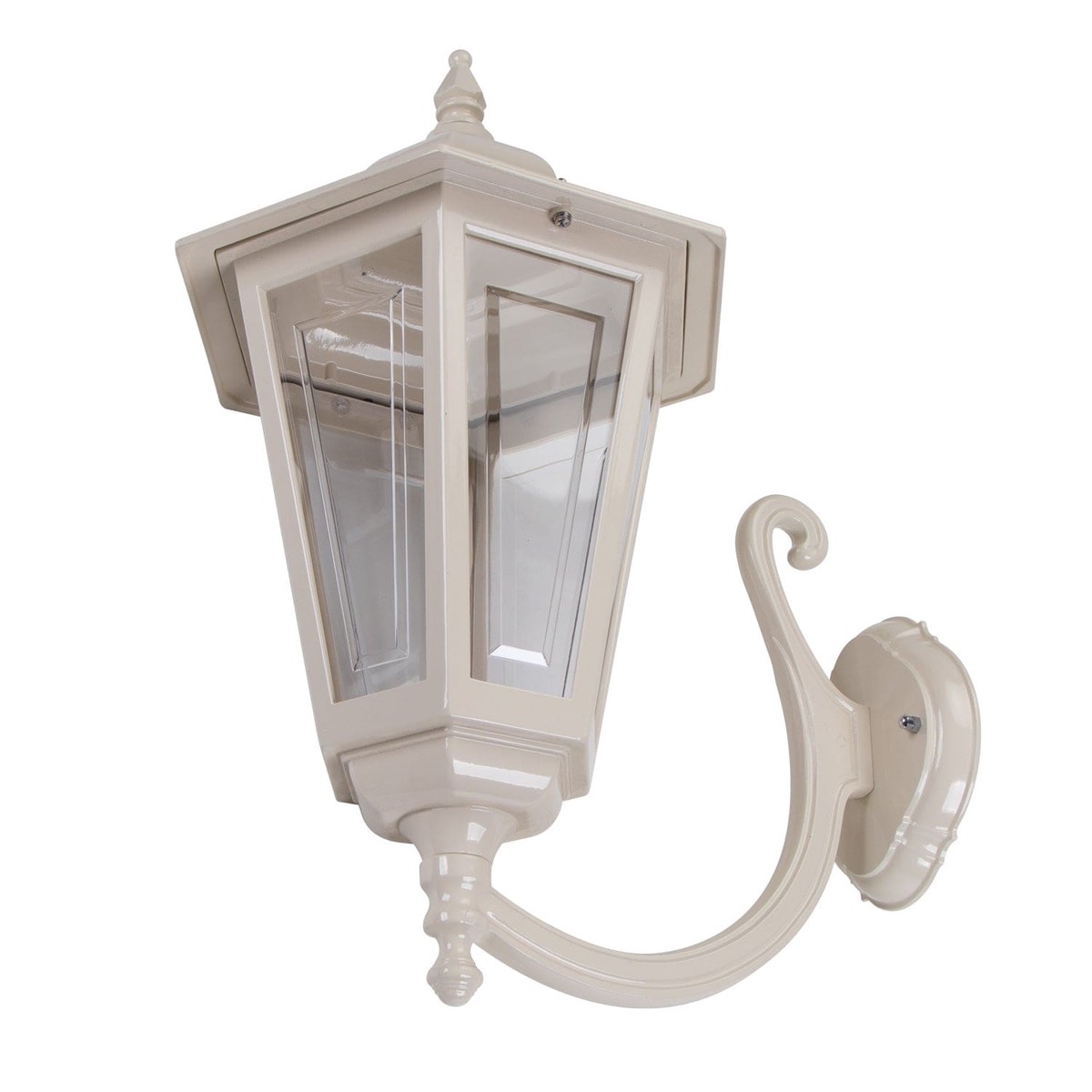
TURIN-LARGE WALL BRACKET C-ARM UP B22
$124.5
$415
SKU: KO80391100731
Availability:
in Stock
The Domus TURIN LARGE wall bracket, C-arm upward is a wall-mountedexterior lantern 640mm high, 370mm wide,B22, 240V, IP43, in fivecolours. Its dimensions match its downward twin exactly and that is…
The Domus TURIN LARGE wall bracket, C-arm upward is a wall-mountedexterior lantern 640mm high, 370mm wide,B22, 240V, IP43, in fivecolours.
Its dimensions match its downward twin exactly and that is correct
- This upward C-arm publishes 370mm wide and640mm high. So does the downward C-arm. Identical figures on two different SKUs normally reads as a copy-pasteerror.
- HERE IT IS RIGHT: the two are mirror images of one another. The samecurve, the same lantern and the same overall envelope, with the arm rotated so the lantern sits aboverather than below. A mirrored pair genuinely occupies the samebox.
- WE STATE IT BECAUSE IT LOOKS LIKE A FAULT AND IS NOT. Elsewhere in thiscatalogue a pair of TURIN posts publish identical dimensions and that too turned out to be correct they share a post so identical figures are worth checking rather thanassuming.
- WHAT DOES DIFFER IS WHERE THE LANTERN SITS IN THAT ENVELOPE, and that changes the mountingheight calculation entirely.
Upward the classic posture, and its costs
- THE LANTERN SITS ON TOP OF THE CURVE, which is the classic coach-lamp posture and reads astraditional and deliberate. It also throws light up the wall as well as down, so onbrick, stone or render it lights the building rather than only the ground.
- THE COSTS ARE CONSISTENT AND THEY ARE ALL ABOUT POSITION:
- Light goes into the sky.
- The source is visible from a distance rather than shaded by the lantern body.
- Rain arriving down the wall reaches the lantern’s opening more directly, so it will not lastas long as the downward version on an exposed elevation.
- SO IT SUITS AN OPEN FRONTAGE, A SET-BACK HOUSE OR A SHELTERED PORCH, and suits a boundary wall or a dense street far less well than the downwardC-arm. Choose on the position rather than the picture.
Set the height from the top of the lantern
- ON AN UPWARD BRACKET THE LANTERN SITS ABOVE THE FIXING, so the mounting height must be setfrom where you want the TOP of the lantern rather than the bottom. That is the opposite of the downward version and it is the commonest error when the two arespecified on one job.
- AROUND 1.82.0 m TO THE FIXING puts the lantern top near2.42.6m clear of a doorway and proportionate to a single-storeyfacade.
- ON A TWO-STOREY FACADE a bracket set at door height can look undersized either raise it, or use the LARGE range precisely because a bigger lantern holds its own againsta bigger wall.
- AND A C-ARM SWEEPS WIDER THAN ITS 370 mm SUGGESTS, because the curvereaches its widest partway out. Check any door or gate swing.
IP43, and why the upward version needs more shelter
IP43 covers spraying water to 60 from vertical not driving rain, hosing orsprinklers. The 4 excludes wires and most insects. ON A WALL, RAIN RUNS DOWN THE FACE AND ARRIVES AT THE BRACKET FROM DIRECTLY ABOVE, and anupward lantern’s opening faces that. Mount it under an eave, in a porch, or on a wallthat is not the weather side. On a fully exposed elevation the downward C-arm is thebetter fitting, and it is the same lantern on the same curve. Seal the fixing face at installation it is inspected last and corrodesfirst.
B22, no lamp, and opal matters more upward
The lamp is not included. ON AN UPWARD LANTERN THE SOURCE IS LESS SHADEDBY THE FITTING’S OWN BODY, so a clear or filament lamp is visible from further away and from moreangles. An opal B22 fills the lantern and reads as a glowingobject. On the Large lantern that matters more, because a small bright source inside abig diffuser looks wrong use a globe shape sized to fill it. Warm rather than cool: at an entrance, cool white reads as institutional.
Made to order
Allow up to 10 business days for production. Five colours applied toorder. Order a facade’s worth together so the finish comes from onebatch.
What is published
| Specification | Value |
|---|---|
| Dimensions | 640mm high 370mm wide |
| Identical to the downward C-arm | Correct they are MIRROR IMAGES |
| Checked because | Identical figures on two SKUs normally read as an error |
| What differs | Where the lantern sits in the envelope |
| Upward posture | Classic coach-lamp it lights the wall too |
| The costs | Sky spill visible source shorter life when exposed |
| Set the height from the lantern TOP | The opposite of the downward version |
| Mounting height | ~1.82.0m to the fixing top at ~2.42.6m |
| A C-arm sweeps wider than 370mm | Widest partway out check door swings |
| Lamp base | B22 not included, use an opal globe |
Where it works
- Open frontages and set-back houses the classic posture.
- Two-storey facades the Large lantern holds its own.
- Sheltered porches where the opening is protected.
- Not on an exposed elevation take the downward C-arm.
- Not set from the lantern bottom it sits above the fixing.
Specifying it
Exterior wall bracket, C-arm upward, LARGE lantern. 640mm high, 370mm wide. B22, lampnot included. 220240V. IP43. Die-cast aluminium with moulded acrylic lens. Five colours. Bracketreference GT-481. Made to order, up to 10 business days. 1-year warranty. IT PUBLISHES DIMENSIONS IDENTICAL TO ITS DOWNWARD TWIN 370 640 mm AND THAT IS CORRECT: thetwo are mirror images, the same curve and the same lantern in the same envelope with the arm rotated. Westate it because identical figures on two SKUs normally read as a copy-paste error, and elsewhere in thiscatalogue a pair of TURIN posts publish identical dimensions which also turned out to be correct. WHAT DIFFERS IS WHERE THE LANTERN SITS IN THAT ENVELOPE, and it changes the mounting calculation: on anupward bracket the lantern sits ABOVE the fixing, so set the height from the TOP of the lantern rather thanthe bottom. That is the opposite of the downward version and the commonest error when both are specified onone job.
Supplied and supported by Lights For You.
Questions
Why are its dimensions the same as the downward version?
Because the two are mirror images the same curve, the same lantern and the same overall envelope, with the arm rotated so the lantern sits above rather than below. A mirrored pair genuinely occupies the same box. We state it because identical figures on two SKUs normally read as a copy-paste error, and elsewhere in this catalogue a pair of TURIN posts publish identical dimensions which also turned out to be correct.
So what actually differs?
Where the lantern sits in that envelope and that changes the mounting height calculation entirely. On an upward bracket the lantern sits above the fixing, so set the height from the top of the lantern rather than the bottom. That is the opposite of the downward version, and it is the commonest error when both are specified on one job.
How high should I mount it?
Around 1.8 to 2.0 metres to the fixing, which puts the lantern top near 2.4 to 2.6m clear of a doorway and proportionate to a single-storey facade. On a two-storey facade a bracket at door height can look undersized; either raise it, or use the LARGE range precisely because a bigger lantern holds its own against a bigger wall.
Why choose upward?
The posture. The lantern sits on top of the curve, which is the classic coach-lamp look and reads as traditional and deliberate. It also throws light up the wall as well as down, so on brick, stone or render it lights the building rather than only the ground.
What does that cost?
Three things, all about position. Light goes into the sky; the source is visible from a distance rather than shaded by the lantern body; and rain arriving down the wall reaches the opening more directly, so it will not last as long as the downward version on an exposed elevation. It suits an open frontage, a set-back house or a sheltered porch, and suits a boundary wall or a dense street far less well.
How much clearance does the curve need?
More than its 370mm suggests, because a C-arm reaches its widest partway out. Check the swing of any door or gate near it.
What lamp should I use?
An opal B22 in a globe shape sized to fill the body. On an upward lantern the source is less shaded by the fitting’s own body, so a clear or filament lamp is visible from further away and from more angles. On the Large lantern that matters more, because a small bright source inside a big diffuser looks wrong.
Only logged in customers who have purchased this product may leave a review.
Shipping policy for our store
We offer fast and reliable shipping worldwide. All orders are carefully packaged and shipped within 1–3 business days after payment confirmation.
- Fast shipping within 1-3 business days
- Free shipping on orders over $40
- 30 days money back guarantee
- 24/7 online customer support
- Secure packaging & safe delivery
Standard shipping, expedited shipping and express delivery options are available at checkout. Delivery time depends on your destination country and local logistics.
Related Products
 -70%
 -50%
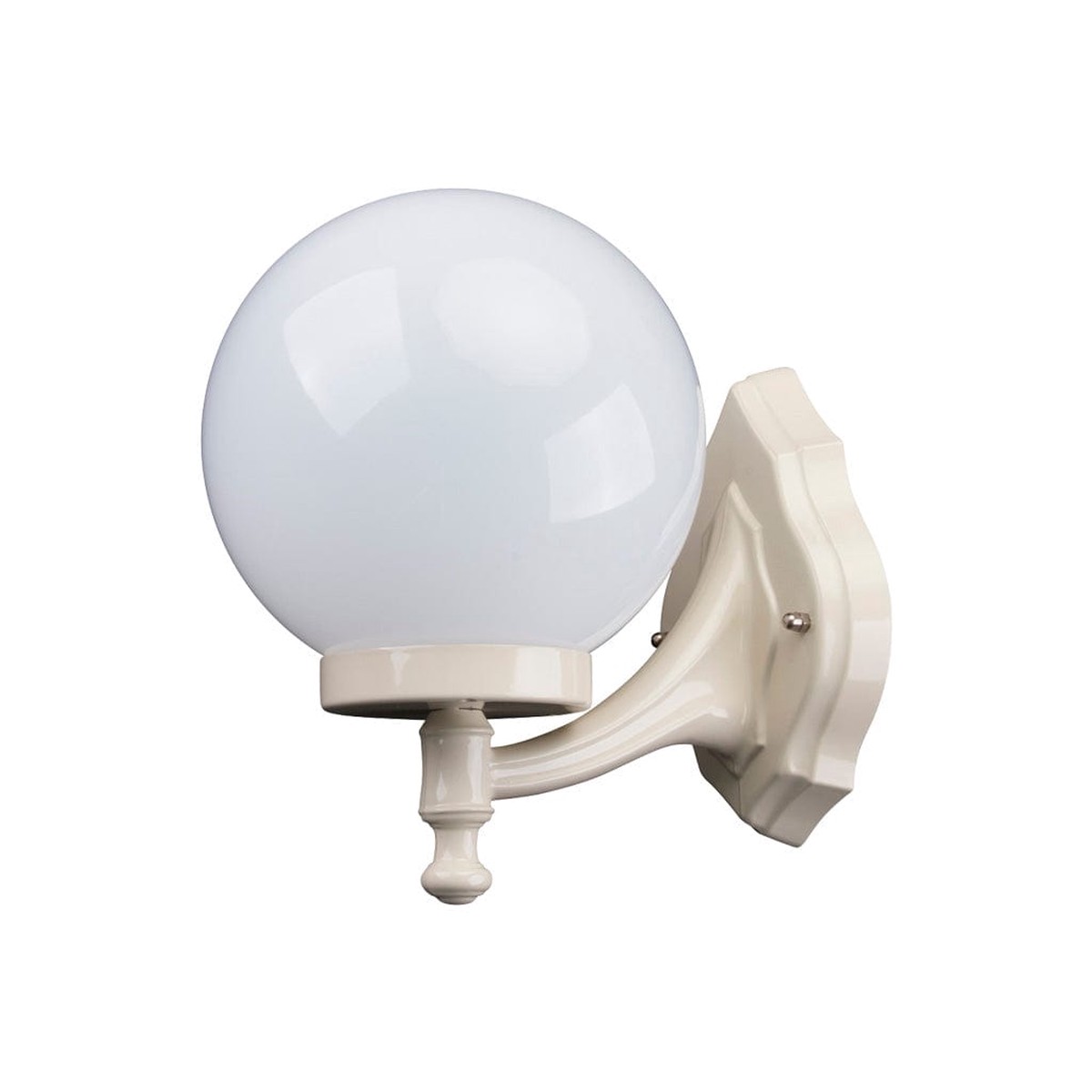
DOMUS GT-502 Siena Sphere Wall Bracket
$94.495 $188.99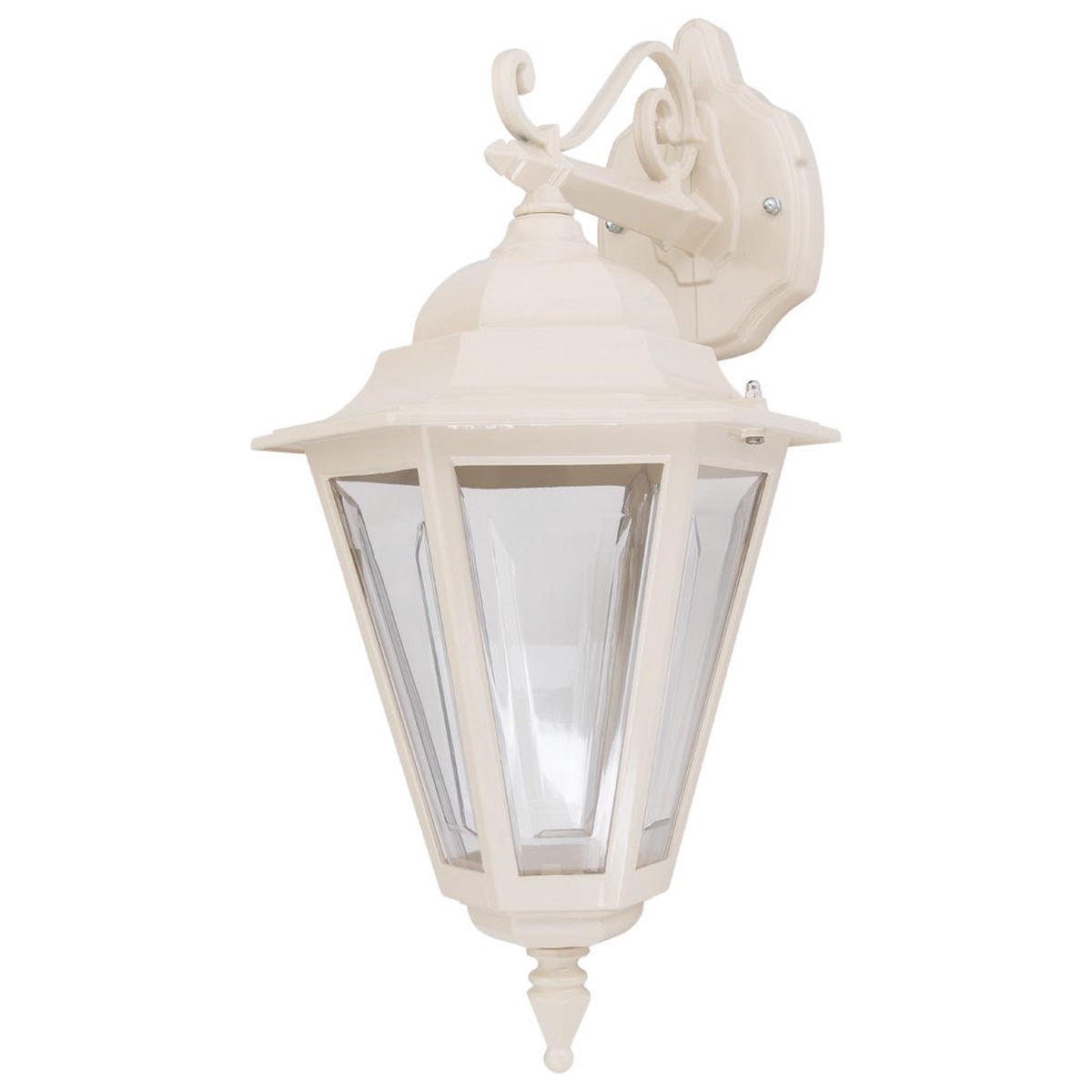 -50%
DOMUS TURIN WALL BRACKET DOWN S-ARM B22
$123.995 $247.99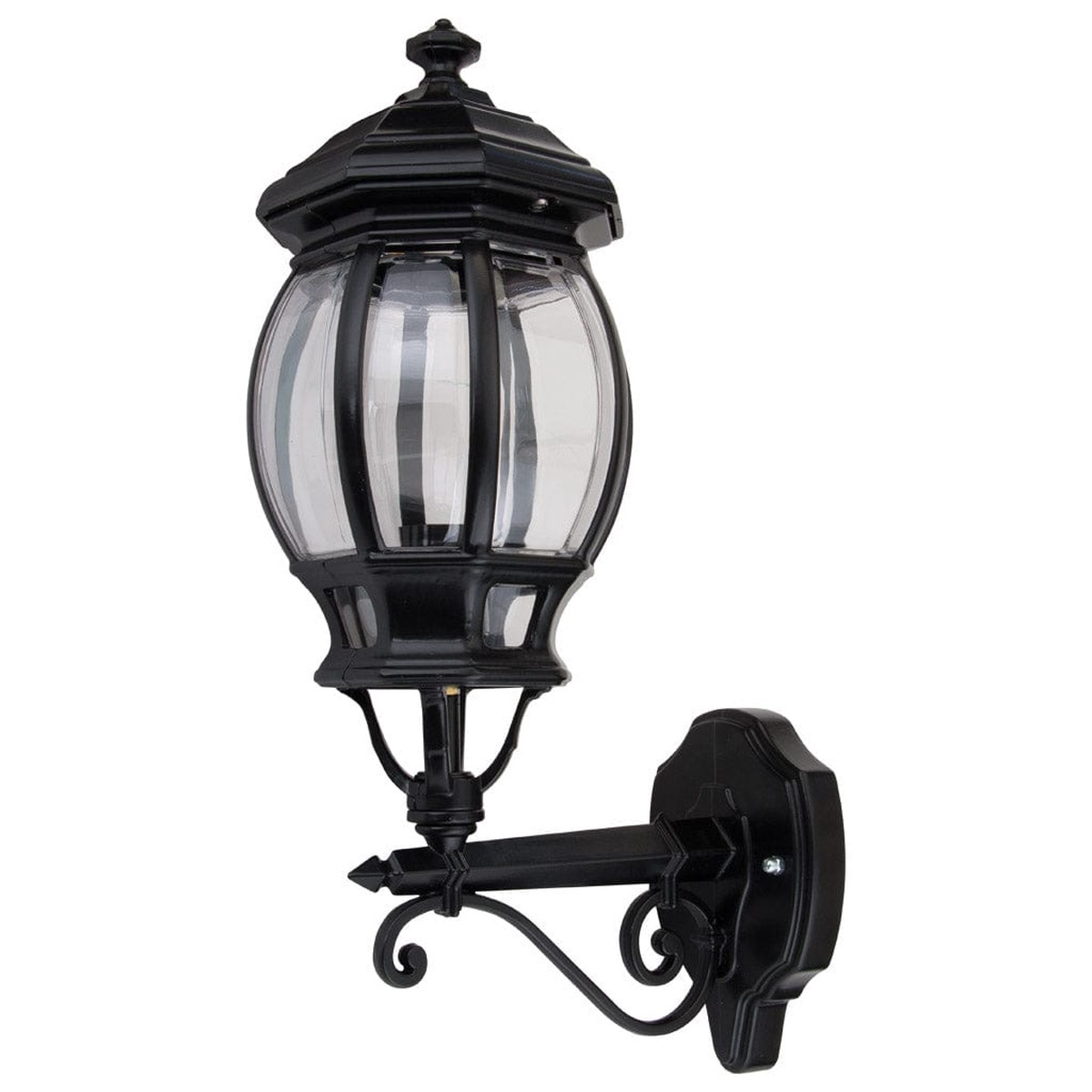 -56%