
Your shopping cart is empty!
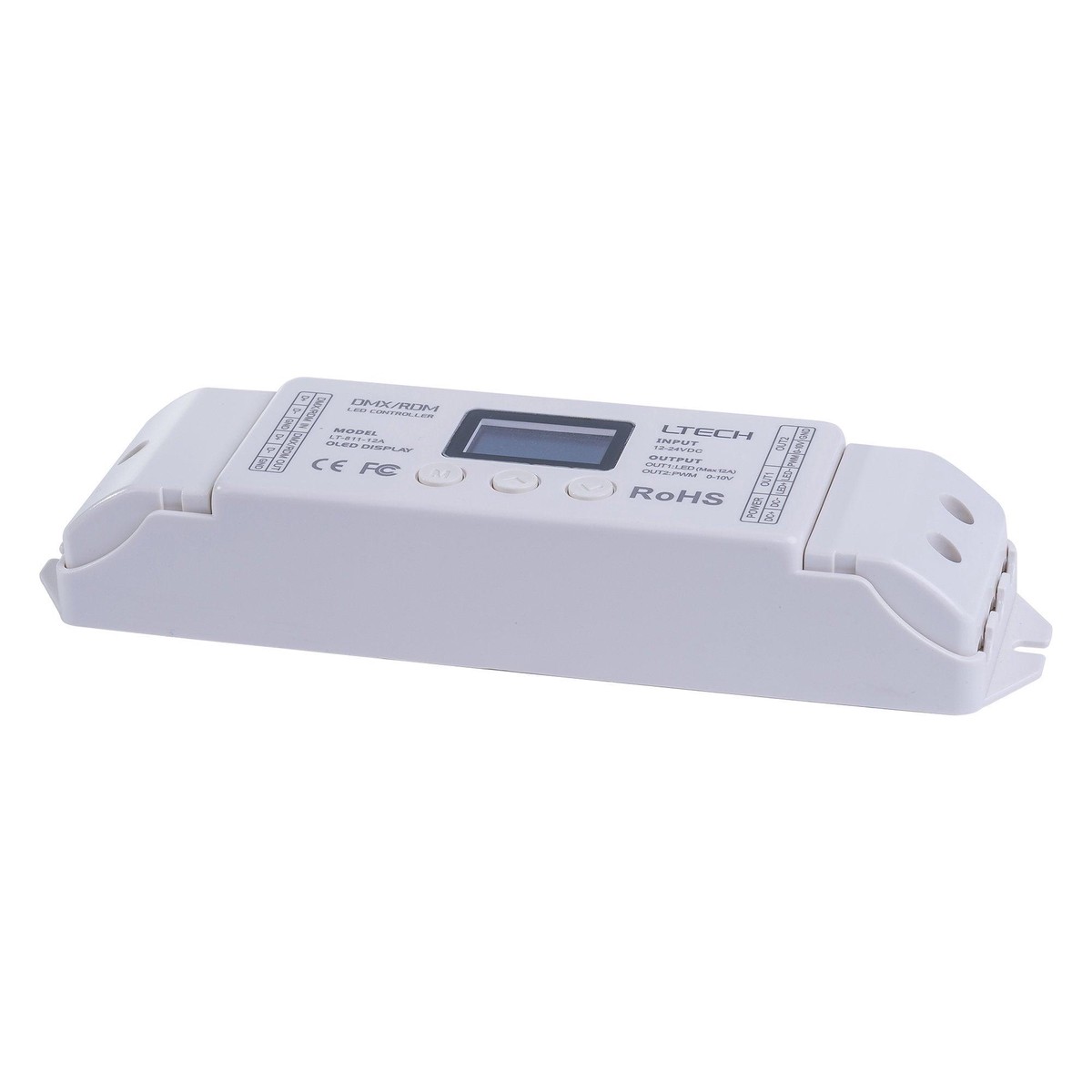
DMX Single Colour LED Strip Controller
$149
$300.99
SKU: KO80391101376
Availability:
in Stock
DMX Single Colour LED Strip ControllerThis is an in-line controller for low-voltage LED strip. It sits between the driver and the strip: the driver supplies the power, and this decides…
DMX Single Colour LED Strip Controller
This is an in-line controller for low-voltage LED strip. It sits between the driver and the strip: the driver supplies the power, and this decides what the strip does with it.
It is not a power supply and does not replace one. A strip run needs a driver as well – this unit is the part that gives you control over it.
What it controls
This unit is built for Single colour lighting – it controls brightness on a single-colour strip.
Channel type has to match the strip. An Single colour controller on a strip with a different channel layout will either drive the wrong colours or leave channels dead, so confirm what your strip is before choosing.
Control protocol
It works over DMX.
DMX is the protocol used for architectural and entertainment colour control. It suits installations where lighting is being sequenced or run from a console rather than simply switched.
Every part of the chain has to speak the same protocol. Mixing systems is the most common reason a control setup does not respond as expected.
Wired or wireless control
Control systems fall into two camps and the choice is worth making deliberately. Wired protocols such as DALI and DMX run a signal cable to each unit: more work at installation, but nothing to pair, no batteries, and behaviour that does not change because a phone or a hub was replaced.
Wireless systems – Zigbee, RF and WiFi – need no signal cable, which makes them the practical option in a finished room where running one would mean opening walls. The trade is that they depend on pairing, and on signal reaching where it needs to.
New build or full renovation usually favours wired, because cable is cheap while the walls are open. Retrofit work usually favours wireless, for the same reason in reverse.
Specification notes
Rated at 12A per channel. Keep the load on each channel inside that figure, and leave some headroom rather than working right at the limit.
It runs on 12V or 24V DC, supplied by the driver on the run.
At IP20 this unit has no weather protection. It must be installed in a permanently dry location – indoors, inside a cavity or in a cupboard, never outside or anywhere it could see condensation.
Installation
The control side of a strip run is low voltage, but the driver feeding it still has to be wired to mains by an electrician. Plan where this unit will sit before the strip goes in – it needs to stay accessible, and it should not be sealed into a channel or a plastered cavity.
Keep the run order right: mains to driver, driver to controller, controller to strip. Wiring a controller directly to mains will destroy it.
Frequently asked questions
Does this power the lights on its own?
No. It is a control unit, not a driver. The lighting still needs a driver to power it – this decides what the light does, not whether it has power.
Will it work with my strip?
It is built for Single colour strip. If your strip has a different channel layout the colours will not map correctly, so match the two before ordering.
What system do I need to run it?
Something that speaks DMX. Every part of the chain has to use the same protocol.
How much strip can it handle?
Up to 12A per channel. Work out the load of your run and stay inside that, with room to spare.
Can it go outside?
No. At IP20 it has no weather protection and has to stay in a permanently dry location.
Do I need an electrician?
For the driver and its mains connection, yes. The low-voltage side between driver, controller and strip is not mains work, but the supply feeding it is.
What warranty does it carry?
3 Years*
Only logged in customers who have purchased this product may leave a review.
Shipping policy for our store
We offer fast and reliable shipping worldwide. All orders are carefully packaged and shipped within 1–3 business days after payment confirmation.
- Fast shipping within 1-3 business days
- Free shipping on orders over $40
- 30 days money back guarantee
- 24/7 online customer support
- Secure packaging & safe delivery
Standard shipping, expedited shipping and express delivery options are available at checkout. Delivery time depends on your destination country and local logistics.
Related Products
 -20%
 -20%
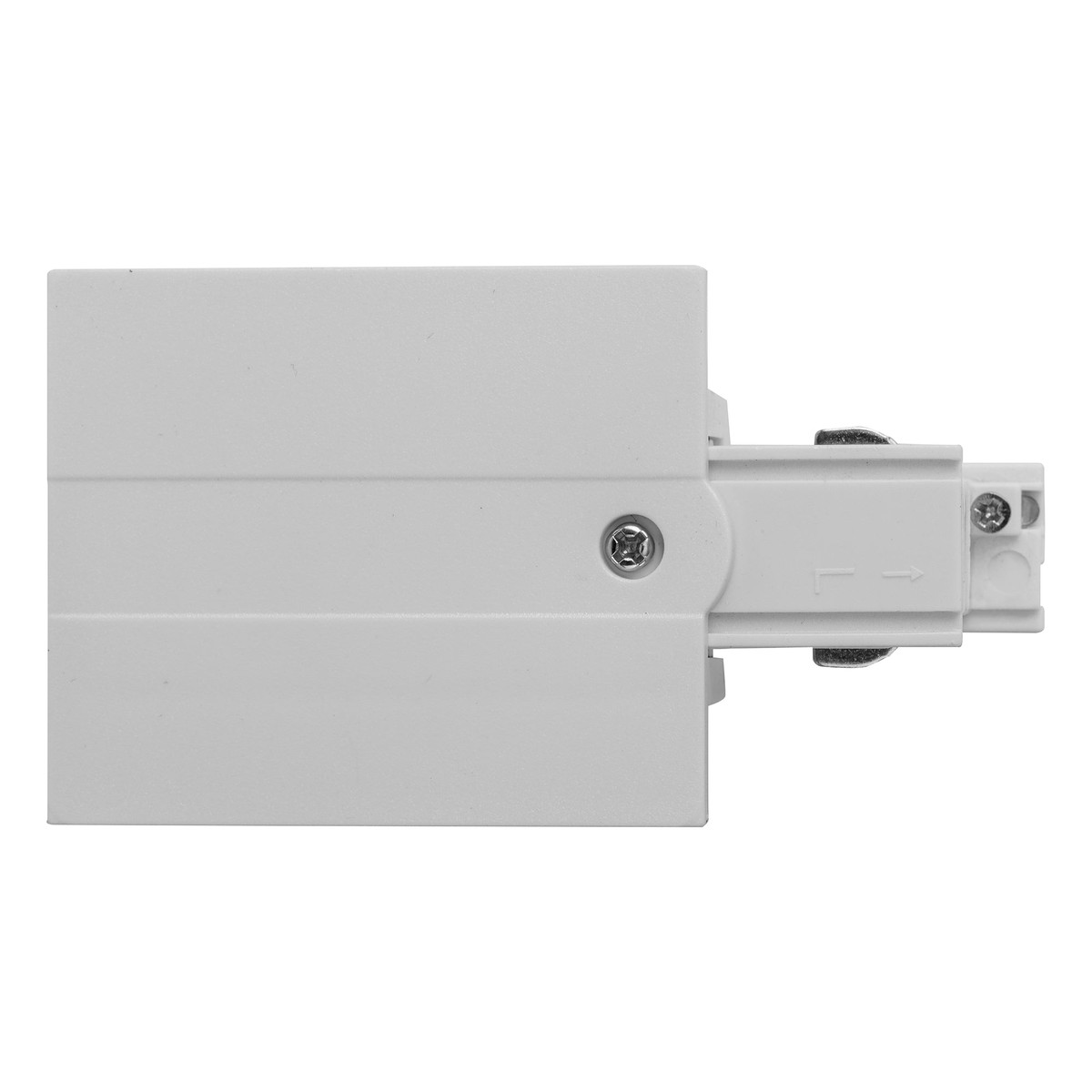
White Three Circuit Recessed Track Live End
$6.392 $7.99 -50%
