
Your shopping cart is empty!
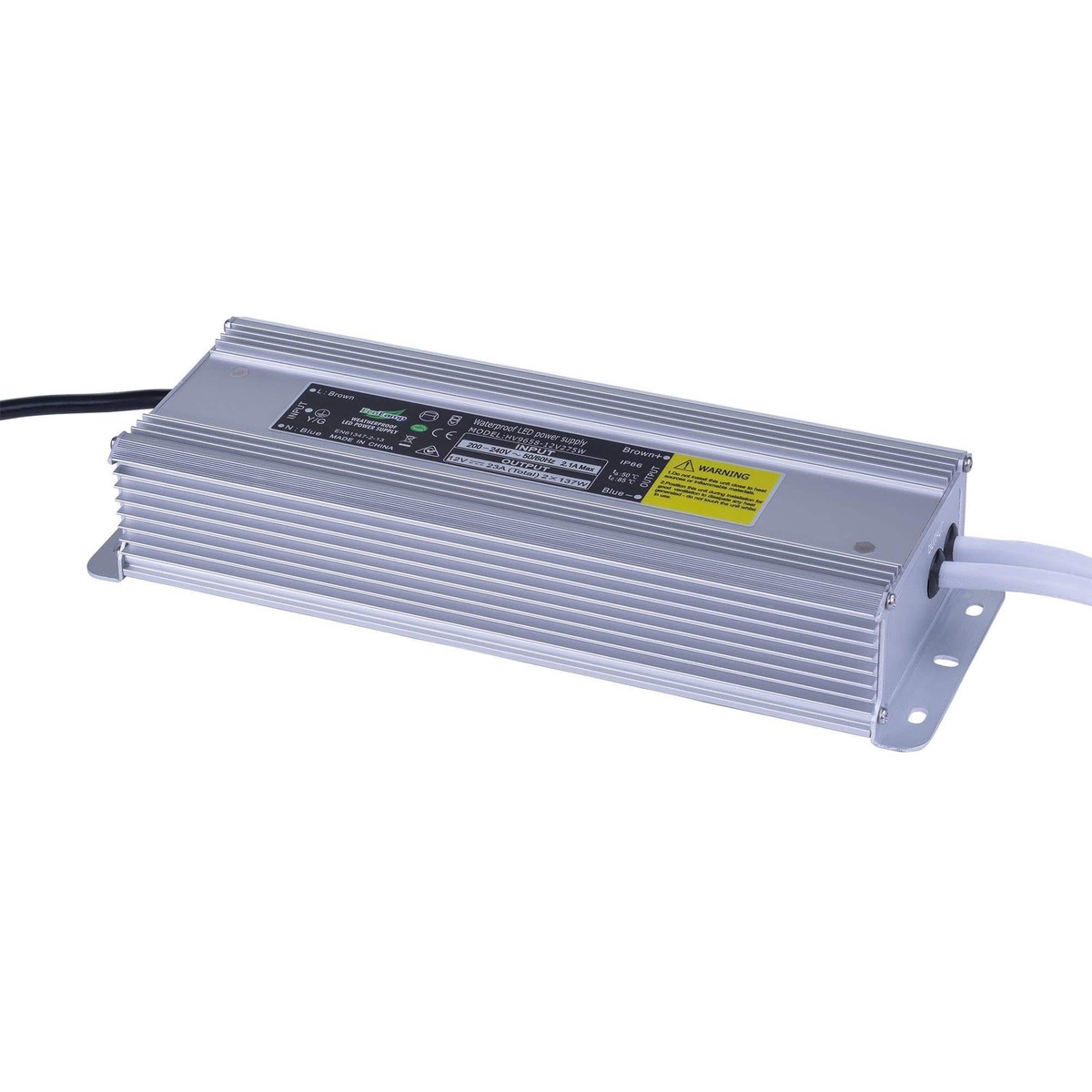
300w Weatherproof LED Driver
$125
$250
SKU: KO80391101398
Availability:
in Stock
300W 24V weatherproof LED driverThis is a high-capacity LED driver - the power supply that sits between mains and low-voltage lighting. At this size it is feeding a substantial installation:…
300W 24V weatherproof LED driver
This is a high-capacity LED driver – the power supply that sits between mains and low-voltage lighting. At this size it is feeding a substantial installation: a long perimeter run, a whole garden scheme, or a commercial length of strip that no smaller unit could carry. It takes mains power and converts it down to 24V DC.
It is rated to carry up to 300W of LED load. That figure is a ceiling, not a target – which matters more than it sounds.
At this capacity the driver is a piece of infrastructure. Where it sits, how it is ventilated and how it is reached are decisions worth making early, because a unit this size is neither easy to relocate nor cheap to replace in a hurry.
Working out what size you need
Add up the wattage of every fitting on the run, then choose a driver rated comfortably above that total. At this capacity the margin matters more, not less – a large driver carrying a large load generates real heat, and heat is what decides how long it lasts.
It is also worth asking whether one driver is the right answer at all. Splitting a big installation across two supplies costs a little more and buys something valuable: a fault takes out half the scheme instead of all of it, and each unit runs further from its limit.
Every fitting on the run has to be rated for 24V. On an installation this size that is worth checking against the actual fittings rather than assumed, because a single mismatched section is expensive to find once everything is in.
Where it can be installed
A driver this size needs somewhere deliberate outdoors – clear of standing water, off ground that floods, and with air around it. Weatherproof housings still shed heat, and one packed into a sealed cavity is being asked to do two jobs at once.
Weatherproof is not the same as submersible. Keep it out of standing water and off ground that floods, and mount it so water runs off rather than pooling on it.
Installation
The mains side of a unit this size is licensed electrical work and is not a small job – it may want its own circuit, and that is worth establishing with the electrician before anything is ordered.
Ventilation stops being advice and becomes a requirement at this capacity. A large driver in a sealed cavity is a heat problem waiting to happen, and heat is the whole story of why power supplies fail early.
Leave it accessible and label it. On an installation large enough to need a driver this size, the person who eventually opens it up will not be the person who installed it.
Frequently asked questions
What does an LED driver actually do?
It converts mains down to the low-voltage DC that LED fittings run on, and holds that output steady across a large and varying load. Low-voltage lighting cannot be connected to mains directly.
How much lighting will 300W run?
Add up the wattage of the fittings you want to power – the total needs to stay under 300W, with room to spare. The wattage of each fitting is listed on its own specification.
Does the output voltage have to match my fittings?
Yes. This driver outputs 24V DC and the fittings must be rated for the same. Mixing them either leaves the lights dead or destroys them.
Can it be installed outside?
Yes – it is rated IP66 for outdoor use. Keep it clear of standing water and mount it so water drains off rather than sitting on it.
Do I need an electrician?
Yes, for the mains side. Connecting a driver to mains is licensed electrical work in Australia.
What warranty does it carry?
3 Years*
Only logged in customers who have purchased this product may leave a review.
Shipping policy for our store
We offer fast and reliable shipping worldwide. All orders are carefully packaged and shipped within 1–3 business days after payment confirmation.
- Fast shipping within 1-3 business days
- Free shipping on orders over $40
- 30 days money back guarantee
- 24/7 online customer support
- Secure packaging & safe delivery
Standard shipping, expedited shipping and express delivery options are available at checkout. Delivery time depends on your destination country and local logistics.
Related Products
 -20%
 -20%
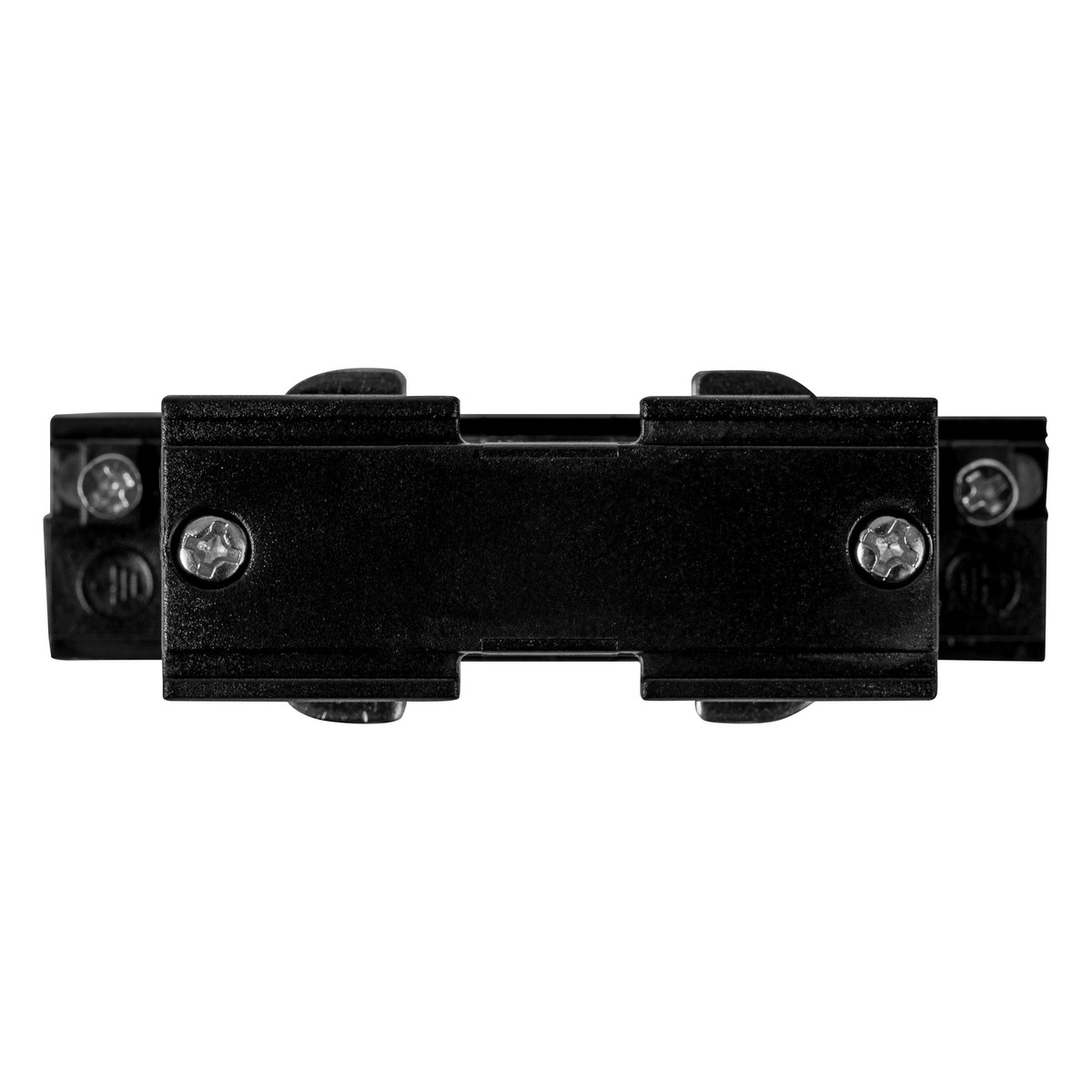
Black Three Circuit Recessed Track Straight Joiner
$6.392 $7.99 -50%
 -20%