
Your shopping cart is empty!
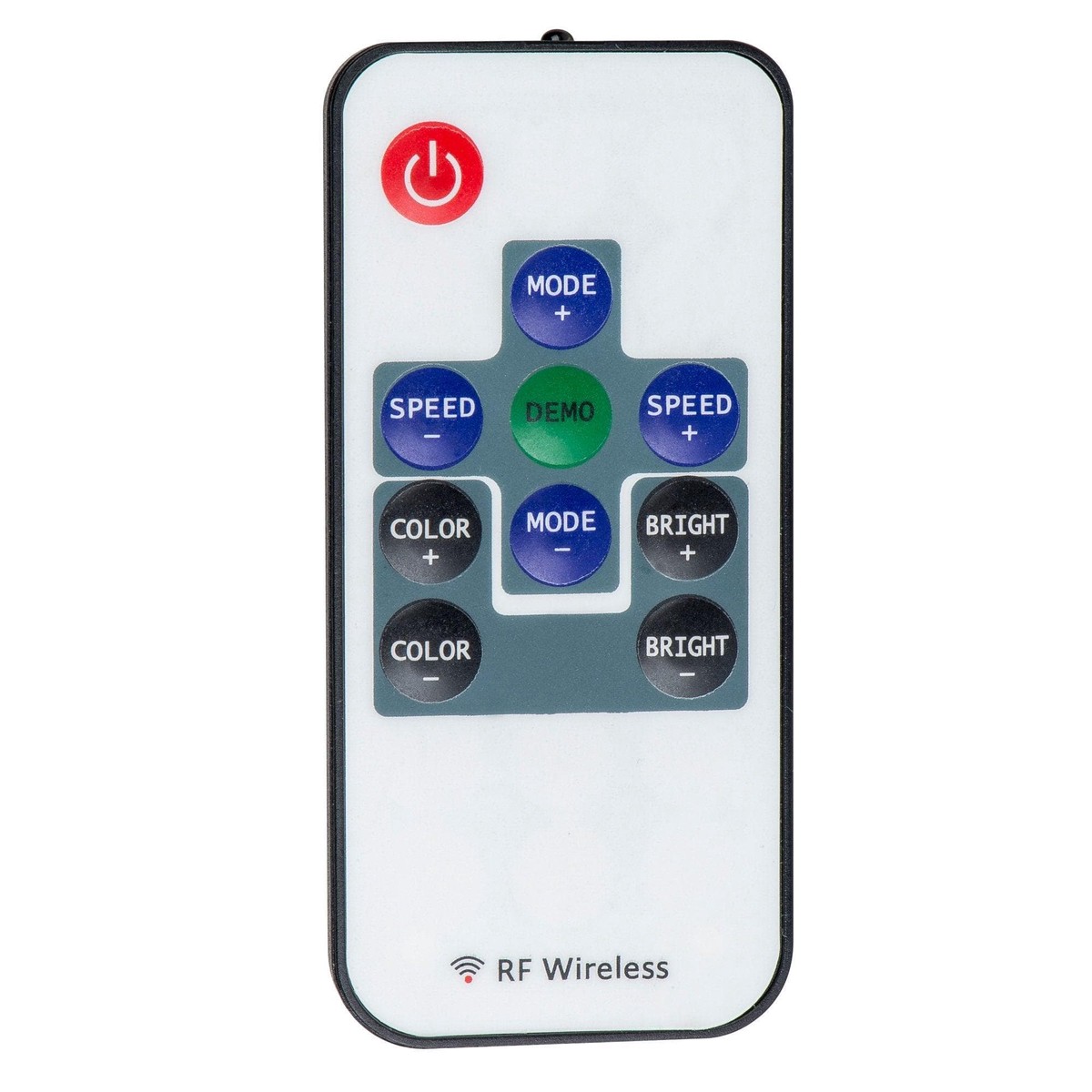
RGB controller to suit HV1494RGB
$26.495
$52.99
SKU: KO80391101527
Availability:
in Stock
RGB controller to suit HV1494RGBThis is a handheld remote for controlling low-voltage LED strip lighting. It is the control surface only - it sends the signal, and a receiver wired…
RGB controller to suit HV1494RGB
This is a handheld remote for controlling low-voltage LED strip lighting. It is the control surface only – it sends the signal, and a receiver wired into the strip run is what acts on it.
It is not a power supply, and on its own it will not run anything. Check that you have the matching receiver before ordering a remote by itself.
What it controls
This unit is built for RGB lighting – it controls full colour.
Channel type has to match the strip. An RGB controller on a strip with a different channel layout will either drive the wrong colours or leave channels dead, so confirm what your strip is before choosing.
Living with a remote
A remote is the most flexible control and the easiest to lose. It goes where the user is rather than where the wiring is, which is exactly what suits a bedside or a lounge – and exactly why it ends up under a cushion.
Give it a home from the start, and consider a wall cradle where one is available. A remote that is the only way to operate a circuit is a single point of failure with legs.
Batteries are the other thing to plan for. A remote that has stopped working has usually stopped being powered, and that is worth checking before anything else is suspected.
Range is worth testing from where the control will actually be used rather than from beside the fitting. Published range assumes a clear line; a wall, a foil-backed insulation batt or a steel stud between the two changes it substantially.
If more than one remote is in the house, label them. Identical handsets get separated from the units they belong to, and working out afterwards which controls what takes longer than marking them at the start.
A matched part, not a universal one
This control is made for HV1494RGB and is paired to it. That is the reason to buy it rather than a generic controller: it speaks the right protocol, expects the right channel layout, and needs no configuration to work with that fitting.
It follows that it will not stand in for a different model. Confirm the part number on the fitting you have before ordering – ranges that look alike from outside often use entirely different control electronics.
Replacement controls are worth ordering as soon as one is suspected rather than after it is confirmed. A fitting waiting on a small matched part is out of service for as long as the part takes to arrive, and these are not items every supplier stocks.
Specification notes
It runs on 12V DC, supplied by the driver on the run.
Installation
The control side of a strip run is low voltage, but the driver feeding it still has to be wired to mains by an electrician. Plan where this unit will sit before the strip goes in – it needs to stay accessible, and it should not be sealed into a channel or a plastered cavity.
Keep the run order right: mains to driver, driver to controller, controller to strip. Wiring a controller directly to mains will destroy it.
Frequently asked questions
Does this power the lights on its own?
No. It is a control unit, not a driver. The lighting still needs a driver to power it – this decides what the light does, not whether it has power.
Will it work with my strip?
It is built for RGB strip. If your strip has a different channel layout the colours will not map correctly, so match the two before ordering.
Do I need an electrician?
For the driver and its mains connection, yes. The low-voltage side between driver, controller and strip is not mains work, but the supply feeding it is.
What warranty does it carry?
2 Years*
Only logged in customers who have purchased this product may leave a review.
Shipping policy for our store
We offer fast and reliable shipping worldwide. All orders are carefully packaged and shipped within 1–3 business days after payment confirmation.
- Fast shipping within 1-3 business days
- Free shipping on orders over $40
- 30 days money back guarantee
- 24/7 online customer support
- Secure packaging & safe delivery
Standard shipping, expedited shipping and express delivery options are available at checkout. Delivery time depends on your destination country and local logistics.
Related Products
 -20%
 -50%
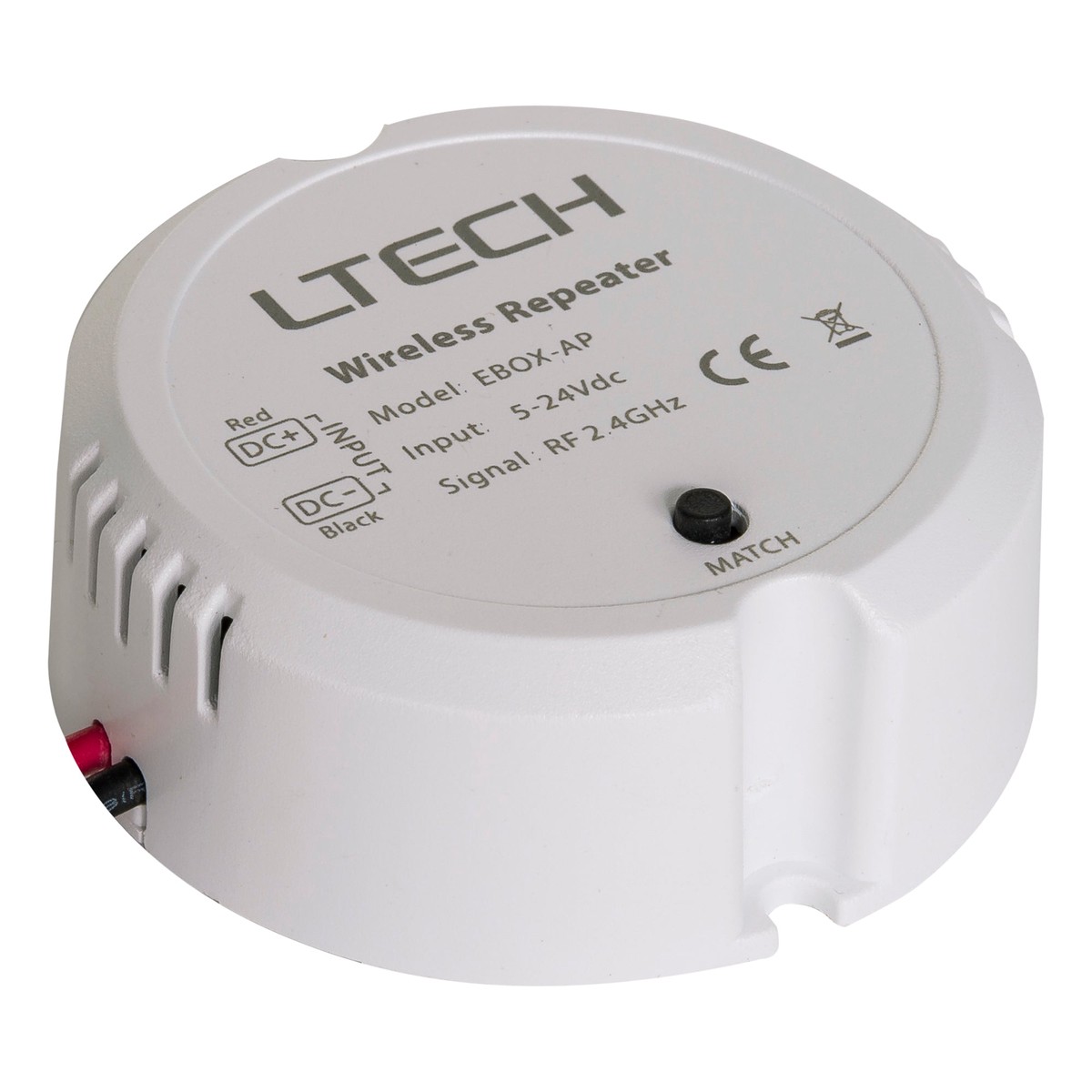
2.4ghz Wireless Signal Repeater
$59 $118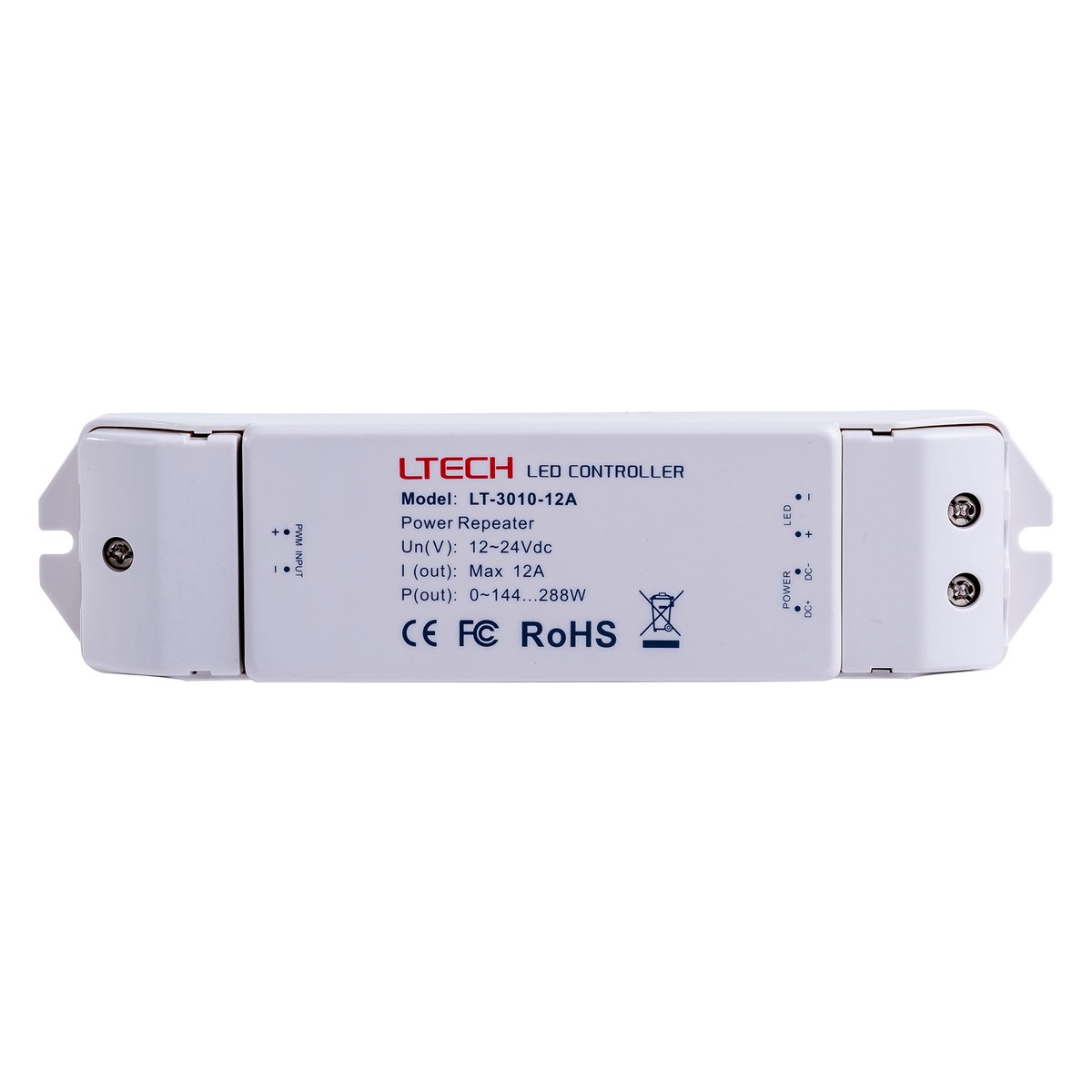 -50%
Single Colour LED Strip Repeater
$59 $118 -50%