
Your shopping cart is empty!

Cell-13-5Cct-T75 – 13W Colour Switchable T75 Tiltable Led Downlight 240V – Quinto
$44.495
$88.99
SKU: KO80391101084
Availability:
in Stock
The Domus CELL-13-5CCT-T75 is a 13W tiltable LED downlight withfive switchable colour temperatures, a 60 beam, an90mm fascia, in black or white. Its datasheet carries an IC rating IC-4 and…
The Domus CELL-13-5CCT-T75 is a 13W tiltable LED downlight withfive switchable colour temperatures, a 60 beam, an90mm fascia, in black or white.
Its datasheet carries an IC rating IC-4 and that is worthknowing, because almost nothing else in this catalogue states one.
An IC rating tells you whether ceiling insulation may touch the fitting. In aninsulated ceiling that is a compliance question, not a preference: a fitting without one needs a physicalclearance maintained around it, which means someone has to keep the batts pulled back and theyoften do not.
We are stating IC-4 for this tiltable version and its T90 sibling, because it is on theirsheets. We are not claiming it for the fixed D75 and D90, whose sheet does notshow it. If insulation contact matters on your job, tell us the model and we will get the ratingconfirmed in writing.
The cutout is 7275mm
- Taken from the CELL-9-T75 datasheet. The two fittings share the same90mm fascia and the same 71mm depth, so they are thesame frame in two wattages.
- The 90mm on our record is the visible fascia cutting to thatwould leave nothing for the trim to cover.
- Do not take the number in a CELL product name as the aperture. It happens to beright here and on the D90, and it is wrong on the T90, which takes8085mm despite its name.
- 71mm deep 25mm shallower than the fixed D75,which makes it the better choice in a tight void.
Why tilt, and when not to
- Aim light at something. A tiltable downlight washes a wall, grazes a stone ortimber feature, or picks out artwork from a recessed fitting rather than a visible track head.
- Adjust after seeing it in place. That is the real advantage: the aim is set once thefurniture and the art are in, not from a plan.
- Not for general ceiling lighting. In a plain run, a fixed downlight seals better andstays aligned; tilt heads drift out of true with their neighbours over time and it is very visible.
- Mixing fixed and tilt in one ceiling is the usual answer fixed for thegeneral light, tilt where something needs aiming. The D75 is the fixed equivalent at the sameaperture, so a mixed run matches.
One beam angle, not four
The bare CELL module is sold in 15, 24, 36 and 60. Thistiltable fitting is 60.
- 60 is a wide wash, which is a slightly odd pairing with a tilt head: tilting awide beam moves a large soft pool rather than placing a defined one.
- For wall washing and general aimed light that works well.
- For picking out a single object, 60 is too wide. Ask us about thebare module in 15 or 24 with a CELL frame that combination gets you a narrowbeam, and the module is replaceable afterwards.
Five colour temperatures, including 2700K
- 2700K extra warm, rare in this catalogue. Bedrooms, hospitality.
- 3000K living areas, and the right choice for washing a warm timber orbrick wall.
- 4000K kitchens, offices, and better on grey stone or concrete.
- 5000K / 5700K task and inspection.
- Set by dip switch before installation. On a wall-wash run, set them all the same:a colour difference is far more visible on a lit wall than on a floor.
The rest of the specification
- 13W COB LED, CRI 80, dimmable,50,000hours, 200240V.
- IP44 from the underside of the downlight once installed into the ceiling protection from the room side, not a sealed fitting in the void.
- No lumen output is recorded in any source. Ask us.
- The lamp module is replaceable without touching the ceiling.
Where it works
- Washing walls, grazing stone or timber, lighting artwork recessed rather than on track.
- Tight ceiling voids 71mm, shallower than the fixed version.
- Insulated ceilings IC-4 per its datasheet; confirm with us for your job.
- Mixed runs alongside the fixed D75 at the same aperture.
- Not for a plain general-lighting run use the fixed D75.
- Not for a narrow accent 60 is a wash; ask us about the 15 module.
Specifying it
13W COB LED tiltable downlight, CELL system.90mm fascia, 71mm deep. Beam 60.Five switchable colour temperatures 2700 / 3000 / 4000 / 5000 / 5700K, bydip switch. CRI 80, dimmable, 50,000hrs,200240V. Black or white. IC-4 per its datasheet confirm with us ifinsulation contact matters. IP44 from the underside once installed.
Cutout is not recorded in any source the name indicates 75mm and the90mm on our record is the fascia. We will confirm the aperture with Domus inwriting before you cut. Lumen output is unrecorded. Warranty 3 years. The D75 is the fixed equivalent at the same aperture.
Supplied and supported by Lights For You.
Questions
Can ceiling insulation touch it?
Its datasheet gives IC-4, which is an insulation-contact rating and that is worth knowing because almost nothing else in this catalogue states one. In an insulated ceiling it is a compliance question rather than a preference: a fitting without an IC rating needs a physical clearance kept around it, which means someone has to hold the batts back, and they often do not. We are stating IC-4 for this tiltable model and its T90 sibling because it is on their sheets. If it matters on your job, tell us and we will get it confirmed in writing.
What size hole does it need?
Ask us and we will confirm before you cut. The “T75” in the name points to 75mm and that is the only cutout indication in our sources; the 90mm on our record is the visible fascia, and cutting to that would leave nothing for the trim to cover.
When should I use a tiltable downlight?
When you want to aim light at something washing a wall, grazing a stone or timber feature, picking out artwork from a recessed fitting rather than a visible track head. The real advantage is that the aim is set after the furniture and the art are in, not from a plan. For a plain general-lighting run, use the fixed D75 instead: fixed fittings seal better and stay aligned, where tilt heads drift out of true with their neighbours over time.
Is 60 too wide for accent lighting?
For picking out a single object, yes. 60 is a wide wash, so tilting it moves a large soft pool rather than placing a defined one which suits wall washing and general aimed light well. If you need a narrow beam, ask us about the bare CELL module in 15 or 24 with a separate frame; that gets you the tight beam, and the module is still replaceable afterwards.
How deep is it?
71mm, which is 25mm shallower than the fixed D75 at 96mm. That makes the tiltable version the better choice in a tight void, which is the opposite of what most people expect from a fitting with a moving head.
Can I mix it with fixed downlights?
Yes, and that is usually the right approach fixed fittings for the general light, tiltable ones where something needs aiming. The D75 is the fixed equivalent at the same aperture, so a mixed run cuts to one hole size and the trims match. The fascias differ slightly (85 against 90mm), so tell us if that matters visually.
Which colour temperature for washing a wall?
3000K on warm timber or brick, 4000K on grey stone or concrete. And set every fitting on the run to the same setting before they go up a colour difference between two fittings is far more visible on a lit wall than it is on a floor, because you see both pools at once.
Only logged in customers who have purchased this product may leave a review.
Shipping policy for our store
We offer fast and reliable shipping worldwide. All orders are carefully packaged and shipped within 1–3 business days after payment confirmation.
- Fast shipping within 1-3 business days
- Free shipping on orders over $40
- 30 days money back guarantee
- 24/7 online customer support
- Secure packaging & safe delivery
Standard shipping, expedited shipping and express delivery options are available at checkout. Delivery time depends on your destination country and local logistics.
Related Products
 -50%
 -50%
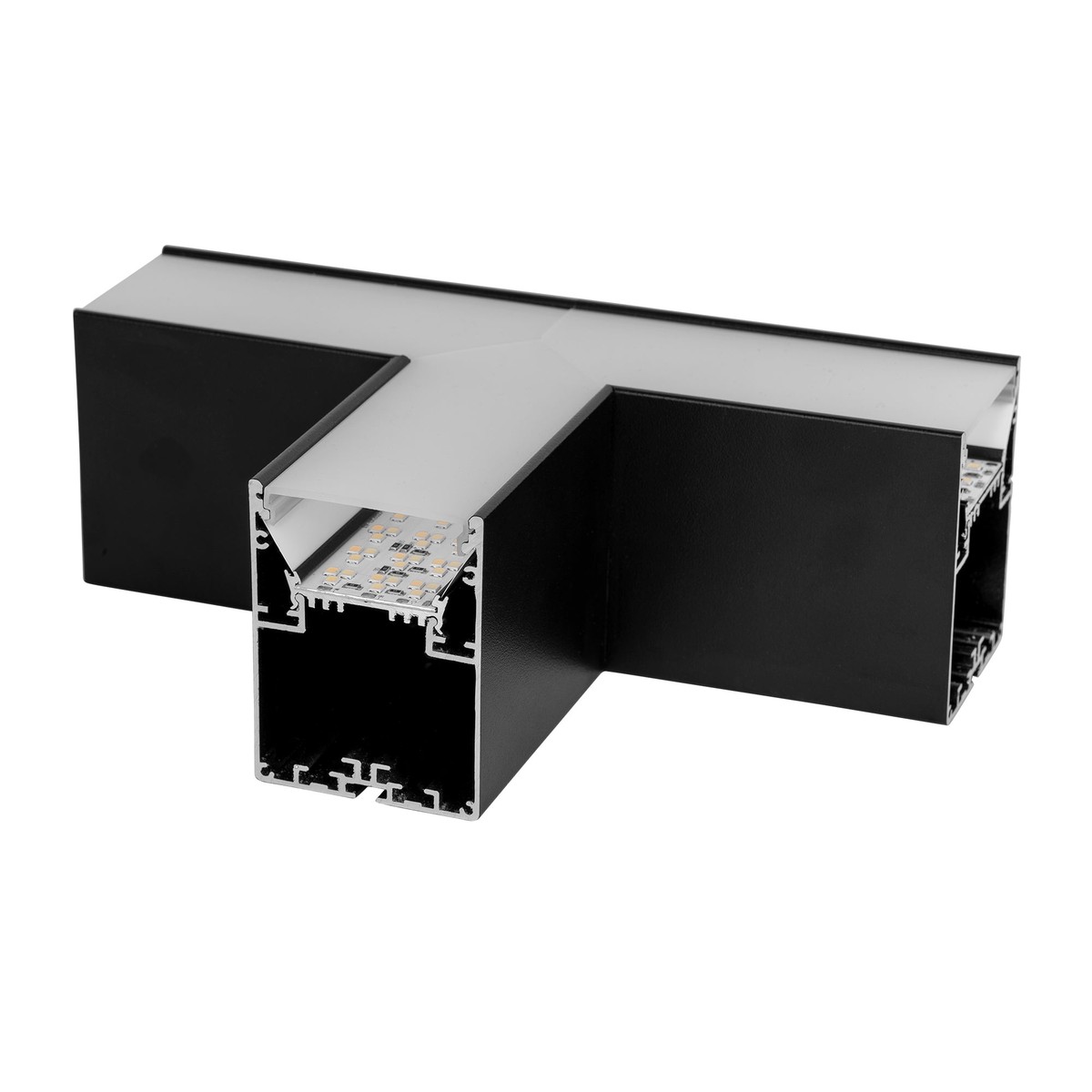
Black 9w T-Shape TRI Colour Proline Connector
$78.995 $157.99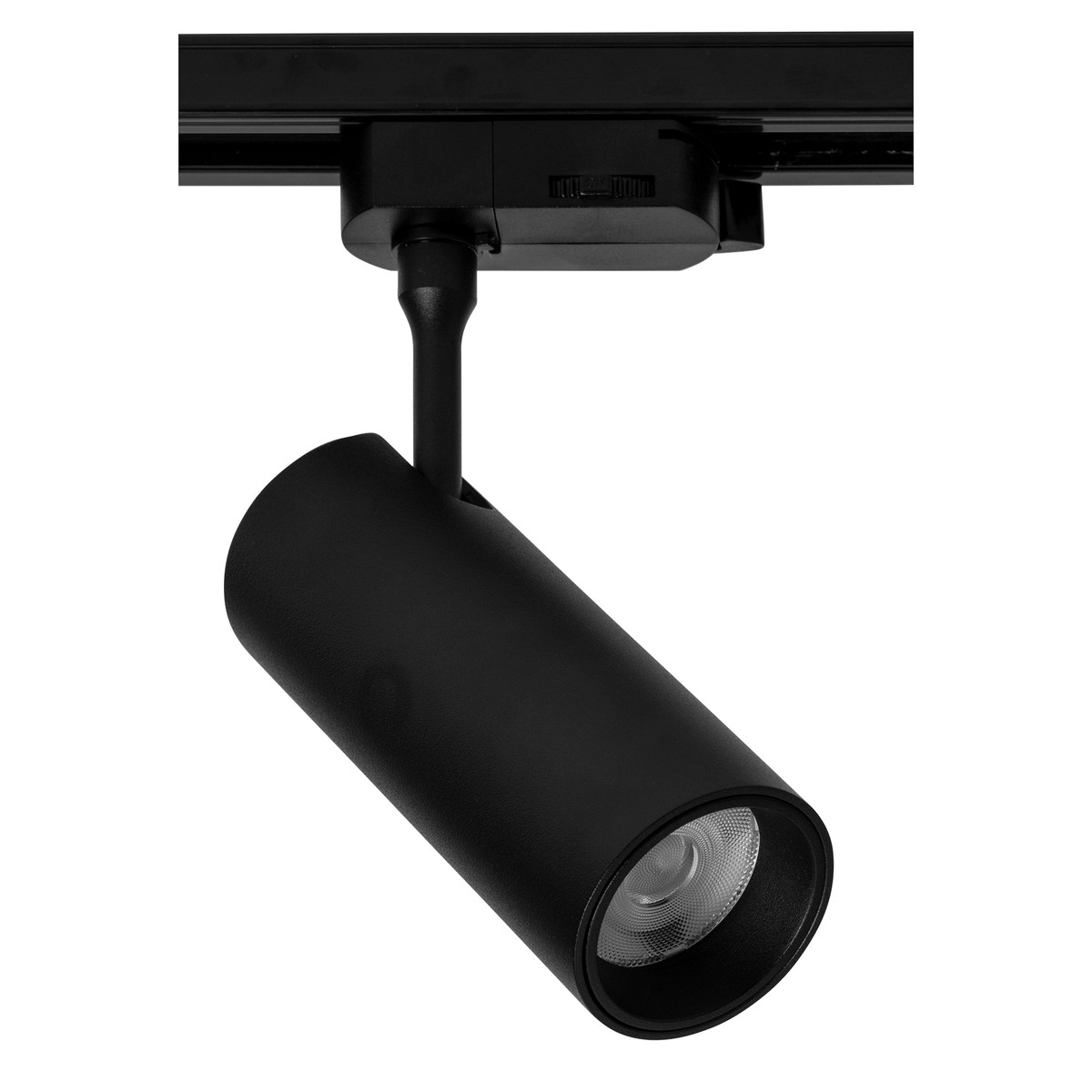 -20%
Single Circuit 10W Dimmable Black Track Head
$30.392 $37.99 -50%