Your shopping cart is empty!
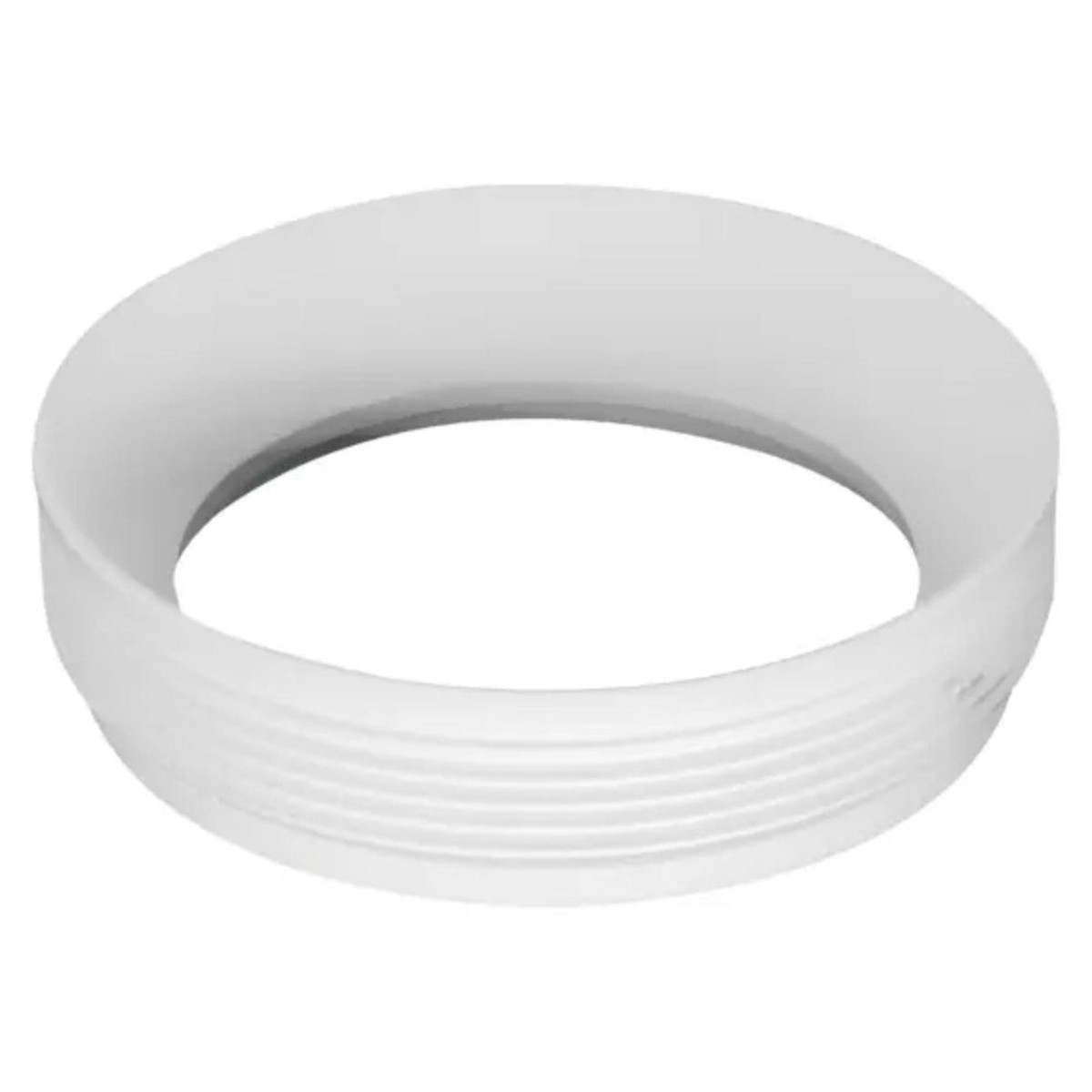
Domus THOR-PRO-23 Baffle
$5.6
$7
SKU: KO80391096105
Availability:
in Stock
The Domus THOR-PRO-23 Baffle is a replaceable internal bafflefor the 23W THOR-PRO head available in white or black. At 23 W, black should probably be the default A baffle is…
The Domus THOR-PRO-23 Baffle is a replaceable internal bafflefor the 23W THOR-PRO head available in white or black.
At 23 W, black should probably be the default
- A baffle is a ring inside the aperture, between the LED and the opening. It controls what you see when you look into the fitting, not where the light goes.
- A 23 W HEAD PUTS ~2,100 LUMENS THROUGH A 62 mm APERTURE. With a whitebaffle, the ring around that opening is lit and the whole aperture reads as a bright disc from across theroom. With a black one, the ring absorbs and you see a dark opening with light emergingfrom deep inside.
- ON THE SMALLER HEAD THE CHOICE IS GENUINELY OPEN. At 23W the sourceis bright enough that white is difficult to justify anywhere people can see into thefitting.
- WHITE STILL HAS A PLACE stockrooms, back-of-house, and highmountings where the aperture is never in anyone’s view and every lumen should reach thefloor.
It is the cheapest step on the glare ladder
| Step | Effect | Output cost |
|---|---|---|
| 1. Black baffle | Darkens the aperture | Small |
| 2. Re-aim | Moves the source out of the sightline | None |
| 3. Honeycomb lens | Cuts wide-angle light | Meaningful |
- SPECIFYING BLACK BAFFLES AT THE OUTSET IS THE CHEAPEST GLARE INSURANCEAVAILABLE. It costs a little light and removes a category of complaint that otherwisegets solved later with honeycomb louvres, which cost considerably more.
- AND IT IS REVERSIBLE. If an area turns out to need every lumen, the whitebaffle goes back in.
Do not match the baffle to the fitting body
The baffle is inside; the body is outside. They do different jobs and thereis no reason for them to match, yet matching them is the common instinct. A WHITE BODY WITH A BLACK BAFFLE IS THE COMBINATION MOST HIGH-END RETAIL SPECIFIES the body disappears against a white ceiling and the aperture reads as a dark, glare-freerecess. The reverse a black body with a white baffle is the worst ofboth: a visible fitting with a bright eye.
And remember the finish already costs output on this head
The 23W THOR-PRO head in black publishes about 14% less light than the same head inwhite. That is the head’s body finish, not the baffle, but the two decisionscompound. SO A BLACK BODY WITH A BLACK BAFFLE ON A LUX-TARGETED SCHEME IS ACOMBINATION WORTH CALCULATING RATHER THAN ASSUMING. A white body with a black bafflegives most of the glare benefit without the body’s output penalty, which is another reason it is thecommon specification.
What is not published
No datasheet is attached, and the baffle’s material, depth and cut-off contribution are notpublished. The depth is what actually determines how much of the source it hides, so itis the figure worth having. Its record publishes bulb_type = Built-inLED on a metal ring; across the ten optical accessories in this catalogue, all ten carry anelectrical field. Ask us if the aperture appearance is critical to thescheme.
What is published
| Specification | Value |
|---|---|
| Options | White (52555) Black (52556) |
| At 23W | Black should probably be the default |
| Why | ~2,100lm through a 62mm aperture |
| What it controls | What you see looking in not where light goes |
| Glare ladder position | Step one the cheapest |
| White still suits | Stockrooms back-of-house high mountings |
| Do not match to the body | White body + black baffle is the common spec |
| Compounding | A black BODY already costs ~14% on this head |
| Reversible | The white baffle goes back in if output is needed |
| Depth / material | Not published depth determines the cut-off |
Where it works
- Any 23W head people can see into black, by default.
- Restaurants, galleries, receptions.
- With a white body the common high-end specification.
- Stockrooms and high mountings white, for output.
- Not black body + black baffle on a tight lux target without calculating.
Specifying it
Replaceable internal baffle for THOR-PRO-23 heads. White or black. AT 23 W, BLACK SHOULD PROBABLY BE THE DEFAULT. The head puts about 2,100 lumens through a 62 mmaperture, and with a white baffle that opening reads as a bright disc from across the room on the smallerhead the choice is genuinely open, here white is difficult to justify anywhere people can see into thefitting. IT IS ALSO THE CHEAPEST STEP ON THE GLARE LADDER: baffle, then aim, then honeycomb, each costingmore light than the last. AND THE DECISIONS COMPOUND a black BODY already costs about 14% on this head,so black body plus black baffle is worth calculating rather than assuming.
Supplied and supported by Lights For You.
Questions
Should I choose black or white at 23W?
Black, in most positions. The head puts about 2,100 lumens through a 62mm aperture, and with a white baffle the ring around that opening is lit and the whole aperture reads as a bright disc from across the room. On the smaller 15W head the choice is genuinely open; at 23W white is difficult to justify anywhere people can see into the fitting.
When is white still right?
Stockrooms, back-of-house areas, and high mountings where the aperture is never in anyone’s view and every lumen should reach the floor. The light a black baffle absorbs is light that does not reach the target, so where nobody looks up, white wins.
Where does a baffle sit in fixing glare?
First, and it is the cheapest step. Black baffle darkens the aperture for a small light cost, re-aiming moves the source out of the sightline for none, and a honeycomb louvre cuts wide-angle light for a meaningful cost. Specifying black baffles at the outset is the cheapest glare insurance available it removes a category of complaint that otherwise gets solved later with honeycombs, which cost considerably more.
Is it reversible?
Yes. If an area turns out to need every lumen, the white baffle goes back in. That is the advantage of an accessory-based system: the decisions hardest to get right on a drawing become adjustable after someone has stood in the space.
Should the baffle match the fitting body?
No, and matching them is the common instinct. The baffle is inside and the body is outside; they do different jobs. A white body with a black baffle is the combination most high-end retail specifies the body disappears against a white ceiling and the aperture reads as a dark, glare-free recess. The reverse, a black body with a white baffle, is the worst of both: a visible fitting with a bright eye.
Do the finish decisions interact?
They compound. The 23W head in black publishes about 14% less light than the same head in white that is the body finish, not the baffle so a black body with a black baffle on a lux-targeted scheme is worth calculating rather than assuming. A white body with a black baffle gives most of the glare benefit without the body’s output penalty, which is another reason it is the common specification.
What is not published?
The baffle’s material, depth and cut-off contribution, and there is no datasheet. The depth is what actually determines how much of the source it hides, so it is the figure worth having. Ask us if the aperture appearance is critical to the scheme.
Only logged in customers who have purchased this product may leave a review.
Shipping policy for our store
We offer fast and reliable shipping worldwide. All orders are carefully packaged and shipped within 1–3 business days after payment confirmation.
- Fast shipping within 1-3 business days
- Free shipping on orders over $40
- 30 days money back guarantee
- 24/7 online customer support
- Secure packaging & safe delivery
Standard shipping, expedited shipping and express delivery options are available at checkout. Delivery time depends on your destination country and local logistics.