
Your shopping cart is empty!
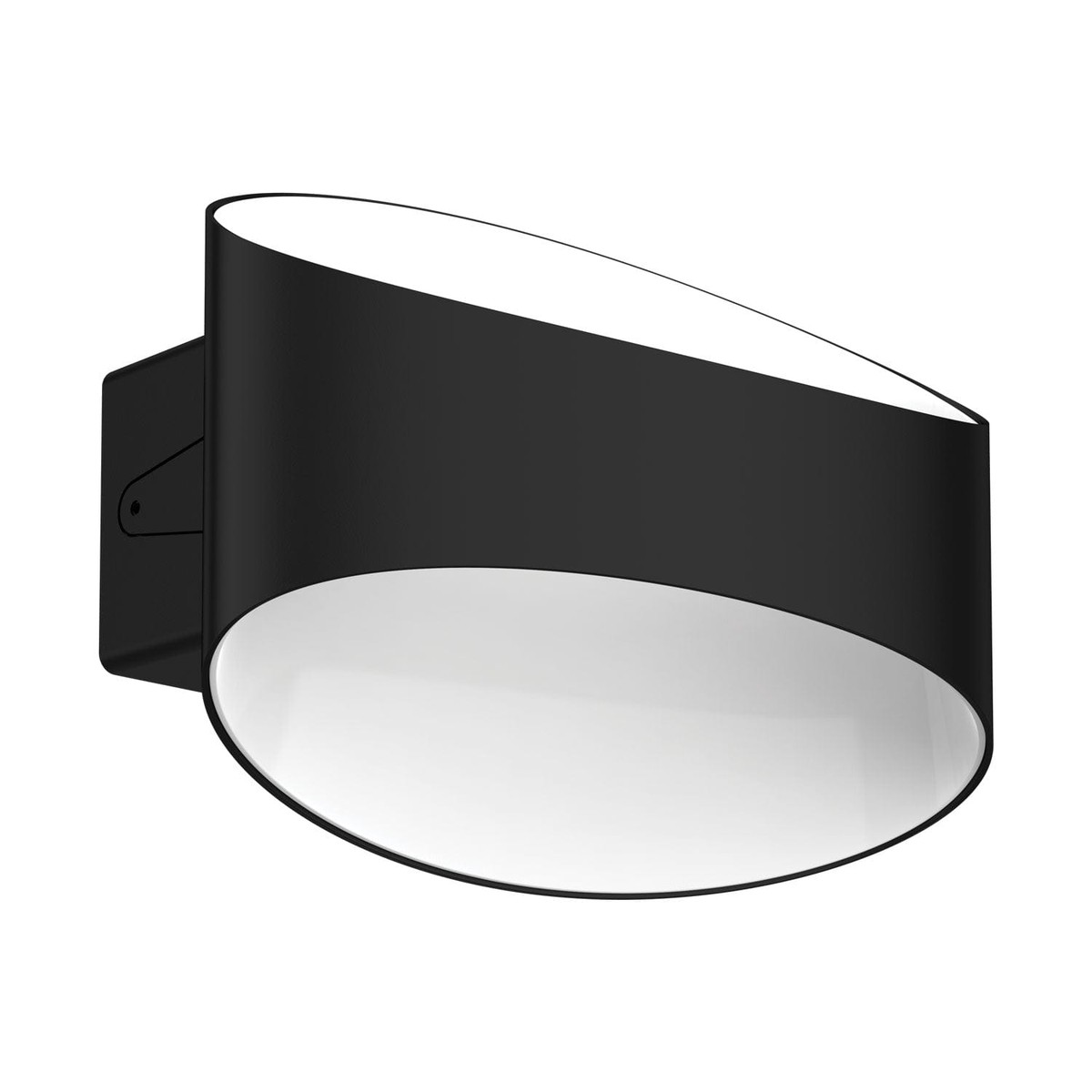
GLOW-8 UP/DOWN 8W Wall Light WB
$60.495
$120.99
SKU: KO80391100945
Availability:
in Stock
The Domus GLOW-8 up/down wall light is a two-direction interior walllight 200 140 107mm, 8W,320400lumens, 240V, IP20,dimmable, switchable 3000/4000/5700K, in black orwhite. Its "360 beam angle" describes the pair, not…
The Domus GLOW-8 up/down wall light is a two-direction interior walllight 200 140 107mm, 8W,320400lumens, 240V, IP20,dimmable, switchable 3000/4000/5700K, in black orwhite.
Its “360 beam angle” describes the pair, not the beam
- The sheet publishes beam_angle = 360. Read literally thatwould mean light in every direction, which a wall-mounted fitting cannot do the wall is behindit.
- WHAT IT ACTUALLY DESCRIBES IS AN UP-AND-DOWN PAIR: two openings, one throwing up the walland one down, which between them cover the full vertical sweep. It is aconvention rather than an error, and we are noting it rather than flagging it because the fitting behavesexactly as the number implies once you know what it counts.
- THE PRACTICAL FIGURE IS NOT THE ANGLE BUT THE SPREAD ON THE WALL. Two narrow openings produce two triangular washes a bright band near the fitting fadingoutward typically reaching 600900mm above and below on a flatwall.
- SO IT LIGHTS THE WALL, NOT THE ROOM. At 320400lm total it isarchitectural rather than functional: it will not light a hallway to walk by on its own, and it is notmeant to.
The surface behind it does most of the work
- AN UP/DOWN WALL LIGHT IS ONLY AS GOOD AS THE WALL IT IS ON, and this is the thing mostoften got wrong.
- ON A TEXTURED SURFACE render, brick, stone, board-formed concrete the grazinglight rakes across the texture and makes it the feature. That is the effect the fittingexists for.
- ON A FLAT PAINTED PLASTERBOARD WALL IT DOES THE OPPOSITE: it reveals every imperfection inthe setting and sanding. Grazing light is the harshest test a plasterboard finish canface, and a wall that looks fine under ambient light can look poor underit.
- SO EITHER PUT IT ON TEXTURE DELIBERATELY, or make sure the plasterer knows a grazing lightis going there. It is a conversation to have before lining, not afterpainting.
Dimmable and colour-switchable unusual together at this size
- Dimmable = Yes, and the colour is switchable between3000K (320lm), 4000K (350lm) and5700K (400lm).
- TWO INDEPENDENT LEVERS ON AN 8 W WALL LIGHT IS MORE CONTROL THAN THE SIZESUGGESTS. The colour is set at installation and the dimmer is adjusted afterwards, soset the colour to suit the wall and use the dimmer to suit the room.
- ON WARM SURFACES timber, terracotta, warm render 3000K, which is alsothe dimmest at 320lm. On cool grey concrete or stone, 4000K. 5700K reads clinical indoors and is rarely the right choice for an architectural walllight.
- SET EVERY FITTING IN A RUN THE SAME WAY. A corridor of wall lights atmixed colour temperatures is very obvious and awkward to correct once they arefixed.
Mounting height, and spacing a run
- The usual height is 1.61.8m to the centre near eye level, sothe fitting reads as a deliberate object rather than something placedawkwardly.
- IN A CORRIDOR, SPACE THEM AT ROUGHLY 22.5m so the washesalmost meet without overlapping. Overlapping washes turn a rhythm of light into anuneven stripe, which is worse than either.
- ON A STAIRCASE, FOLLOW THE RAKE rather than keeping them level a stepped line reads as intentional where a level line fights thestair.
- AND CHECK THE FITTING CLEARS ANY SKIRTING OR CORNICE within its 600900mmthrow a cornice interrupting the upward wash is a very visiblecut-off.
IP20 and CRI 80 read them together
IP20 means indoor only, with no protection against water not for acovered entry, a verandah or a bathroom wet zone. CRI 80 is adequatefor architectural washing and below what you would want for a surface where colour matters so on afeature stone or timber wall, be aware the material’s colour will be slightly flattened compared with theCRI 90 fittings elsewhere in this catalogue. Operating range is 20C to45C and the power factor is 0.88.
What is published
| Specification | Value |
|---|---|
| “beam_angle = 360” | Describes the UP/DOWN PAIR, not one beam |
| The useful figure instead | 600900mm of wash above and below |
| It lights the WALL | Not the room 320400lm is architectural |
| Best on texture | Render, brick, stone, board-formed concrete |
| On flat plasterboard | Grazing light reveals every setting flaw |
| Dimmable AND colour-switchable | 3000K 320lm 4000K 350 5700K 400 |
| Mounting height | 1.61.8m to centre |
| Corridor spacing | 22.5m washes should not overlap |
| Load / IP / CRI | 8W IP20 indoor only CRI 80 |
| Operating range | 20C to 45C PF 0.88 3-year warranty |
Where it works
- Textured feature walls the effect it exists for.
- Corridors and stairwells 22.5m apart, following the rake.
- As a layer, not the light 400lm is architectural.
- Not on flat plasterboard unless the finish is genuinely good.
- Not in a covered entry or wet zone IP20.
Specifying it
Two-direction interior wall light. 200 140 107mm. 8W at 220240V.320/350/400lm at 3000/4000/5700K switchable. CRI 80. Dimmable. IP20, indoor only. Operatingrange 20C to 45C, power factor 0.88. 3-year warranty. ITS PUBLISHED 360 BEAM ANGLE DESCRIBES THE UP-AND-DOWN PAIR RATHER THAN ONE BEAM a wallfitting cannot light in every direction, because the wall is behind it. The useful figure is the spread:two triangular washes reaching roughly 600 to 900 mm above and below. THE SURFACE BEHIND IT DOES MOSTOF THE WORK, and this is what is most often got wrong: on render, brick or stone the grazing light rakesacross the texture and makes it the feature, but on flat painted plasterboard it does the opposite andreveals every imperfection in the setting and sanding. Grazing light is the harshest test a plasterboardfinish can face a conversation to have before lining, not after painting.
Supplied and supported by Lights For You.
Questions
What does a 360 degree beam angle mean on a wall light?
It describes the up-and-down pair rather than one beam. A wall-mounted fitting cannot light in every direction because the wall is behind it what the figure counts is two openings, one throwing up and one down, which between them cover the full vertical sweep. It is a convention rather than an error, and the fitting behaves exactly as the number implies once you know what it counts.
What spread should I expect?
Two triangular washes a bright band near the fitting fading outward typically reaching 600 to 900mm above and below on a flat wall. That is the useful figure rather than the angle.
Will it light a hallway?
Not on its own, and it is not meant to. At 320 to 400 lumens total it is architectural rather than functional it lights the wall, not the room. Treat it as a layer alongside other lighting.
What surface should I put it on?
Texture, deliberately. On render, brick, stone or board-formed concrete the grazing light rakes across the texture and makes it the feature, which is the effect the fitting exists for. On flat painted plasterboard it does the opposite and reveals every imperfection in the setting and sanding grazing light is the harshest test a plasterboard finish can face, and a wall that looks fine under ambient light can look poor under it.
What if it has to go on plasterboard?
Make sure the plasterer knows a grazing light is going there. It is a conversation to have before lining, not after painting.
How should I set the colour?
To suit the wall, and then use the dimmer to suit the room you have two independent levers, which is more control than an 8W fitting usually offers. On warm surfaces like timber, terracotta or warm render use 3000K, which is also the dimmest at 320lm. On cool grey concrete or stone, 4000K. 5700K reads clinical indoors and is rarely right for an architectural wall light. Set every fitting in a run the same way a corridor at mixed colour temperatures is very obvious and awkward to correct once fixed.
How do I space a run?
Mount at 1.6 to 1.8m to the centre, and in a corridor space them roughly 2 to 2.5m apart so the washes almost meet without overlapping overlapping washes turn a rhythm of light into an uneven stripe, which is worse than either. On a staircase follow the rake rather than keeping them level, and check the fitting clears any skirting or cornice within its throw, because a cornice interrupting the upward wash is a very visible cut-off.
Only logged in customers who have purchased this product may leave a review.
Shipping policy for our store
We offer fast and reliable shipping worldwide. All orders are carefully packaged and shipped within 1–3 business days after payment confirmation.
- Fast shipping within 1-3 business days
- Free shipping on orders over $40
- 30 days money back guarantee
- 24/7 online customer support
- Secure packaging & safe delivery
Standard shipping, expedited shipping and express delivery options are available at checkout. Delivery time depends on your destination country and local logistics.
Related Products
 -50%
 -50%
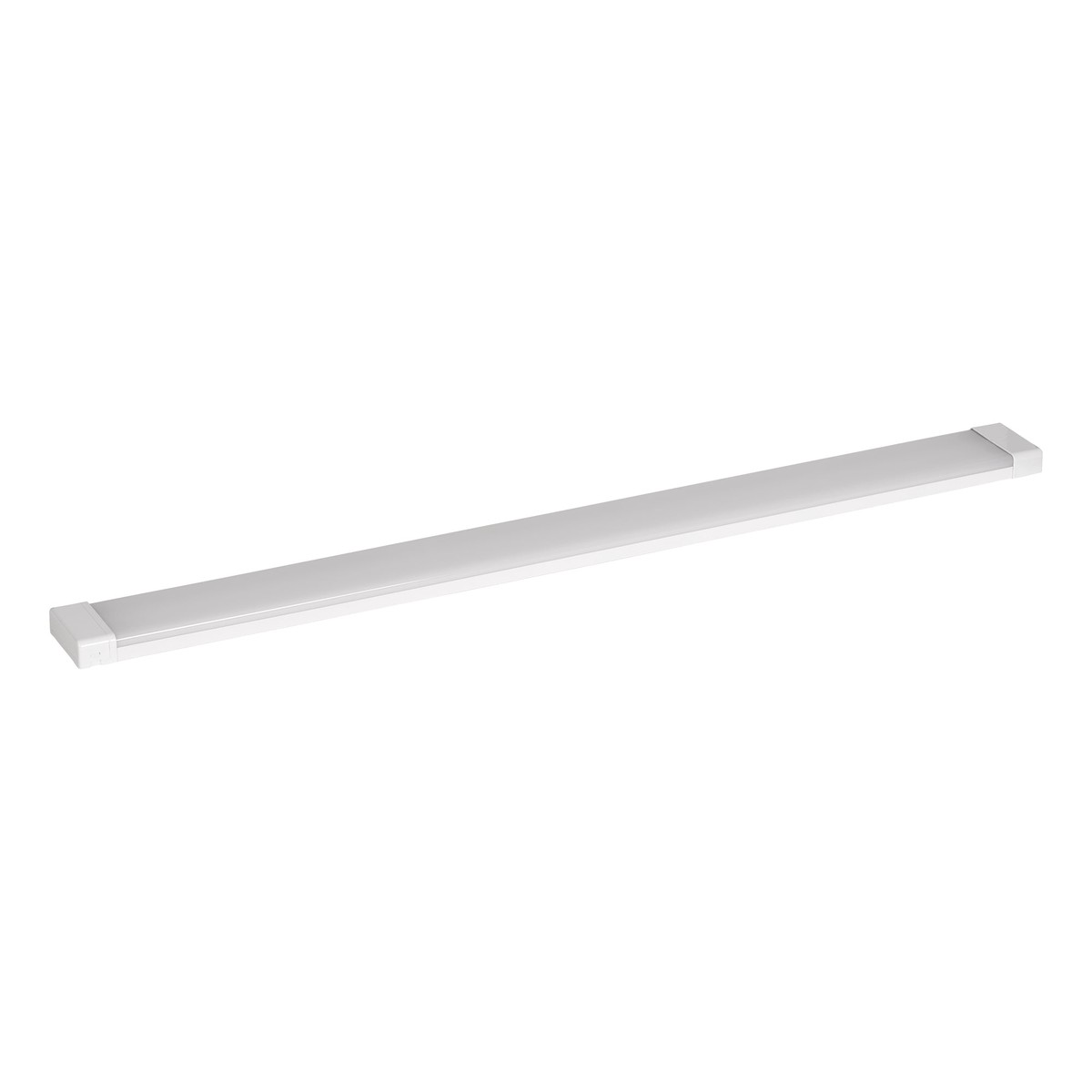
1200mm LED Slim Batten Light
$28.995 $57.99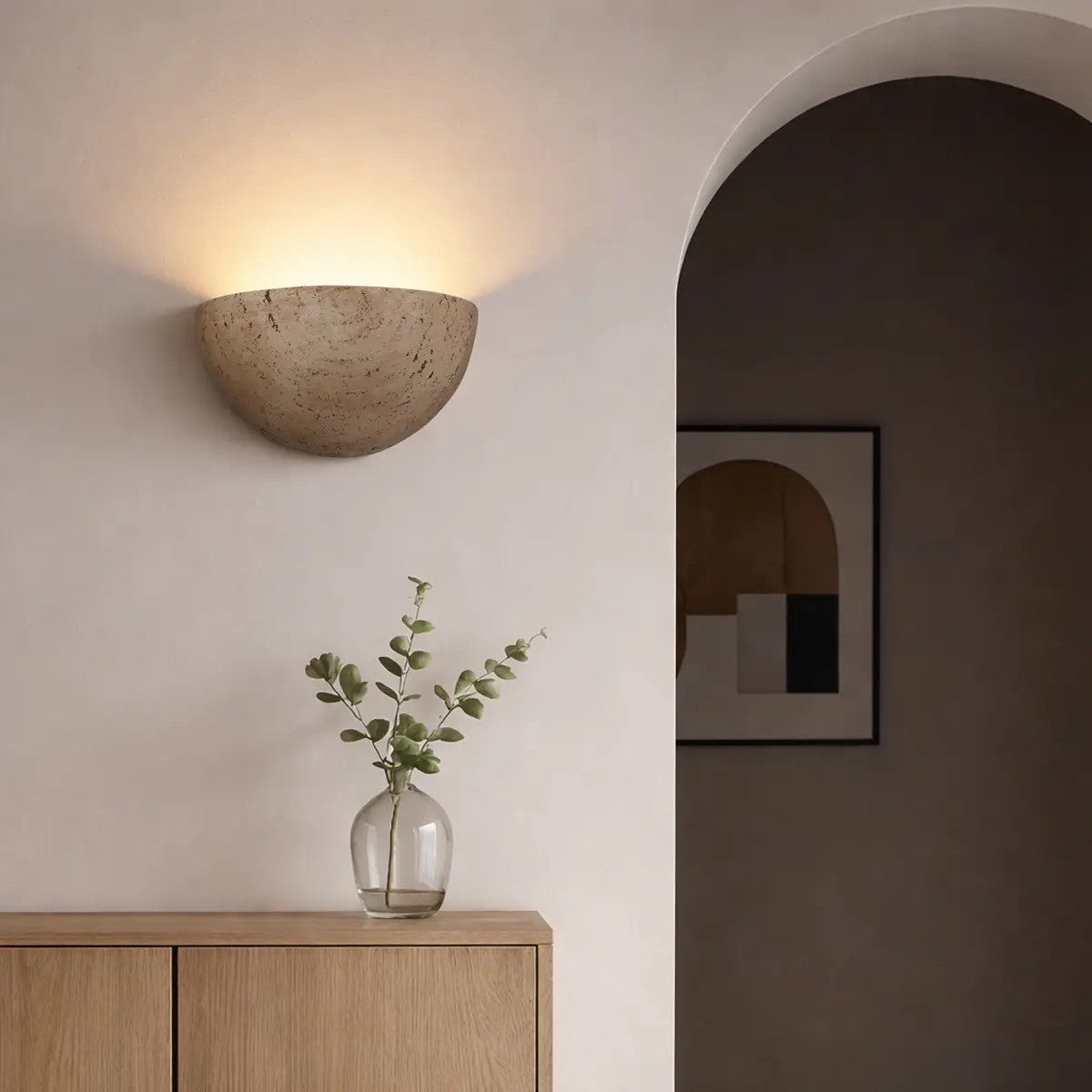 -50%
Gotico Wall Light
$33.995 $67.99 -50%