
Your shopping cart is empty!
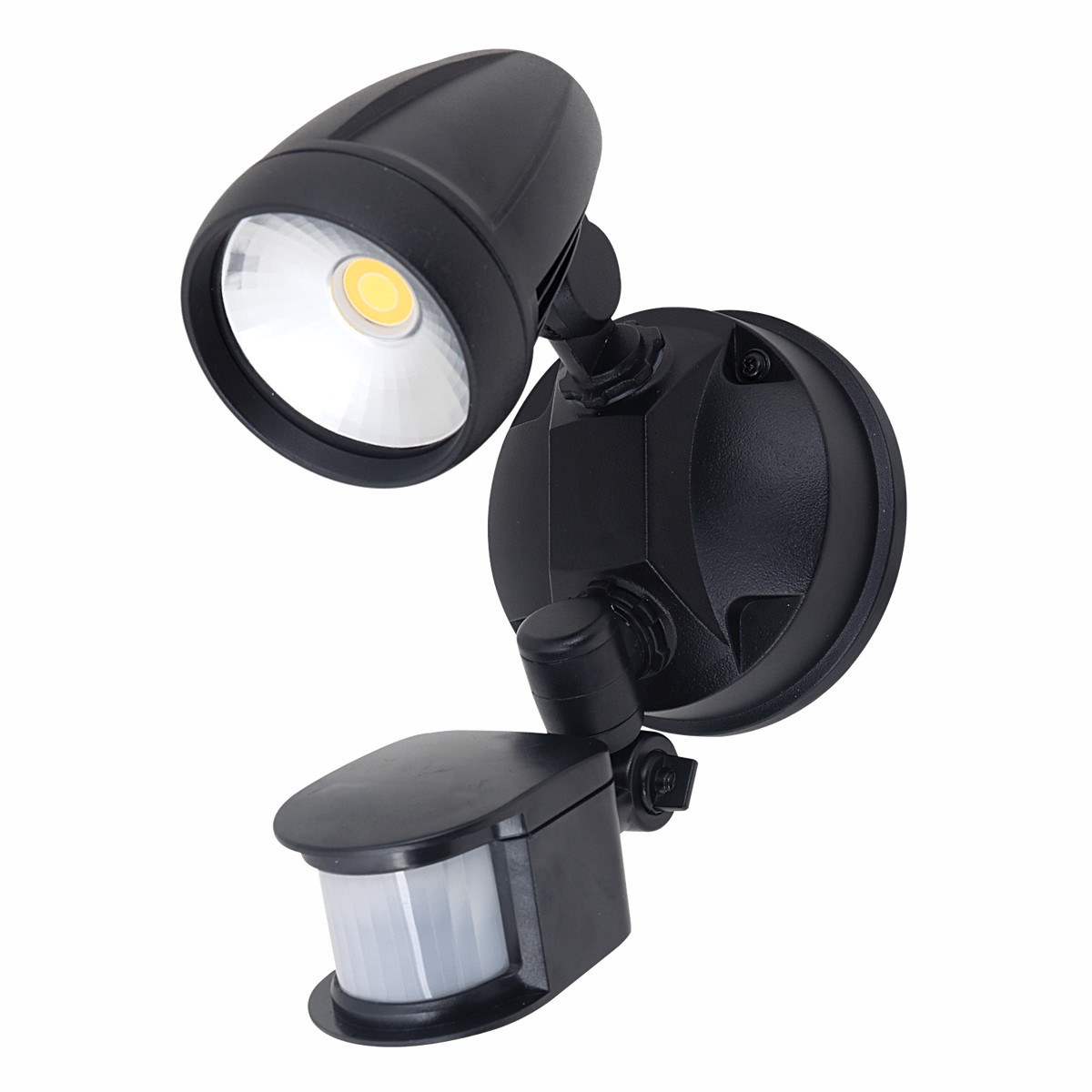
MURO-PRO-15S Exterior Spotlight With Sensor
$35.495
$70.99
SKU: KO80391095910
Availability:
in Stock
The Domus MURO-PRO-15S is a single-head exterior spotlight with a PIRsensor 15W, 9501,050lumens,IP44, 120 beam, switchable 3000/4000/5000K, inblack, dark grey or white. Its datasheet contradicts itself on IP and the…
The Domus MURO-PRO-15S is a single-head exterior spotlight with a PIRsensor 15W, 9501,050lumens,IP44, 120 beam, switchable 3000/4000/5000K, inblack, dark grey or white.
Its datasheet contradicts itself on IP and the record is right
- The sheet’s spec table gives IP54. Its own prose, on thesame document, says the fitting is rated at IP44. The product record says IP44.
- TWO OF THE THREE SOURCES AGREE, AND THEY ARE THE TWO WRITTEN INDEPENDENTLY. We have published IP44.
- WE CHECKED WHETHER THIS IS A PATTERN. Of 7 sensorproducts where both a spec-table and a prose IP figure can be read, 5 agree and2 do not this one and the MURO-PRO-30S. In both, the prose and the record agree against the spec table.
- THE PLAIN MURO-PRO-15, WITHOUT THE SENSOR, HAS ALL THREE SOURCES AGREEING ATIP54. SO THE SENSOR VERSION IS RATED LOWER THAN THE PLAIN ONE, AND THE SPEC TABLEAPPEARS NOT TO HAVE BEEN UPDATED WHEN THE SENSOR WAS ADDED.
- THAT IS AN EXPLANATION, NOT A MEASUREMENT. We tried to test whether addinga sensor drops the rating across every sensor/non-sensor pair in the catalogue, and the pairing did notresolve so it stays a plausible reading of two products rather than an establishedrule. A PIR head is a plastic dome with a lens and extra seams, which makes a lowerrating mechanically sensible; mechanically sensible is not evidence.
IP44 against IP54 what the difference actually costs you
- IP4X keeps out objects over 1mm wires and most insects.IP5X is dust-protected: dust may enter but not in a quantity that interferes.
- THE WATER DIGIT IS 4 IN BOTH splashing water from any direction. Not jets, not hosing, not driving rain.
- SO THE SENSOR VERSION LOSES DUST PROTECTION, NOT WATER PROTECTION. On a suburban wall that is a minor difference. On a rural site, a buildingsite, or anywhere with wind-blown dust or sand, it is the one that matters dust in a PIR lensdegrades detection long before it affects the light.
- MOUNT IT UNDER AN EAVE IF YOU CAN. At IP44 it is a sheltered-positionfitting, and the shelter also keeps the sensor lens clean.
The sensor is the specification worth reading
- 180 detection, approximately 12m. Duration adjustable from105seconds to 41minutes. Lux control adjustable fromdaylight to night.
- 12 METRES IS FURTHER THAN MOST PEOPLE PLAN FOR, and it is the commonest cause of asensor light that never switches off. A footpath, a driveway or a neighbour’s gateinside that radius will trigger it all evening.
- AIM THE HEAD, THEN MASK THE SENSOR IF NEEDED. The detection cone followsthe sensor, not the light, so pointing the lamp away from the street does not stop the street triggeringit. A piece of tape across part of the lens is the standard, unglamorousfix.
- SET THE LUX CONTROL PROPERLY. Left at the daylight end, the lighttriggers in the afternoon and the lamp hours are spent for nothing. Commission it afterdark, not at the time of installation.
- PIR DETECTS HEAT MOVING ACROSS ITS FIELD, not toward it so aperson walking straight at the sensor is detected later than one crossing it. Mount it to cross the approach path rather than face it.
15 W and 120 a wash, not a spot
950lm at 3000K, 1,050 at 4000, 1,000 at 5000, over a120 beam. DESPITE THE NAME, THAT IS A FLOOD RATHER THAN A SPOT a 120 beam covers a wide area at low intensity rather than picking out anobject. It suits a driveway, a side path or a yard entrance, where the job is to seewhat moved. It will not uplight a tree or highlight a feature; for that you want 1524,which this fitting does not offer. Note that 4000K is the brightestsetting at 1,050lm the 5000K reads cooler but gives lesslight.
Not dimmable, and that is right here
The sheet says dimmable = No. On a sensor light that isnot a loss: the fitting is either triggered or off, and a dimmer in the circuit would interfere with thesensor’s own switching. Do not put it on a dimmer circuit. Lifespan is 30,000hrs rather than the 50,000 most fittings here claim though on asensor light that is many more years, because it runs only when triggered.
What is published
| Specification | Value |
|---|---|
| IP rating | Sheet table IP54 sheet prose IP44 record IP44 |
| We published | IP44 the two independent sources agree |
| Measured | 5 of 7 sensor sheets agree with themselves 2 do not |
| The plain MURO-PRO-15 | Has all three sources agreeing at IP54 |
| Why the sensor version is lower | A plausible reading, not a measurement |
| What IP44 vs IP54 costs | Dust protection the water digit is 4 in both |
| Sensor | 180, ~12m 10s4min lux adjustable |
| 12m is further than planned for | The commonest cause of a light that never switches off |
| Output / beam | 950 / 1,050 / 1,000lm 120 a flood, not a spot |
| Dimmable / life | No 30,000hrs |
Where it works
- Driveways, side paths and yard entrances a wide wash.
- Under an eave IP44 wants shelter, and it keeps the lens clean.
- Crossing an approach path PIR detects movement across it.
- Not on a dusty or rural site take the IP54 plain version.
- Not for uplighting a feature 120 is a flood.
Specifying it
Single-head exterior LED spotlight with PIR sensor. 15W at 240V 50Hz.950/1,050/1,000lm at 3000/4000/5000K switchable. CRI 80, 120 beam. IP44. Die-cast aluminiumwith glass cover and ABS sensor head. Detection 180 at approximately 12m; duration 10s to4min; lux adjustable. Not dimmable. 30,000hrs. 3-year warranty. ITS DATASHEET CONTRADICTS ITSELF: the spec table says IP54 and the prose on the same documentsays the fitting is “rated at IP44”, which is what the product record says. Two of the three sources agreeand they are the two written independently, so we published IP44. Of 7 sensor products where both figurescan be read, 5 agree and 2 do not this one and the MURO-PRO-30S and in both the prose and the recordagree against the spec table. THE DIFFERENCE IS DUST, NOT WATER: the water digit is 4 in both readings,so what the sensor version loses is dust protection. Minor on a suburban wall; the one that matters on arural or dusty site, where dust in a PIR lens degrades detection long before it affects thelight.
Supplied and supported by Lights For You.
Questions
Is it IP44 or IP54?
IP44. Its datasheet contradicts itself the spec table says IP54 and the prose on the same document says the fitting is “rated at IP44” and the product record says IP44. Two of the three sources agree, and they are the two written independently, so we published IP44.
Is that a common problem?
Of 7 sensor products where both a spec-table and a prose IP figure can be read, 5 agree and 2 do not this one and the MURO-PRO-30S. In both, the prose and the record agree against the spec table.
Why would the sensor version be rated lower?
The plain MURO-PRO-15 has all three sources agreeing at IP54, so the sensor version does appear to be rated lower, and the spec table looks as though it was not updated when the sensor was added. A PIR head is a plastic dome with a lens and extra seams, which makes a lower rating mechanically sensible. But that is an explanation rather than a measurement we tried to test it across every sensor and non-sensor pair in the catalogue and the pairing did not resolve, so it stays a plausible reading of two products rather than an established rule.
What does IP44 cost me against IP54?
Dust protection, not water protection. The water digit is 4 in both splashing water from any direction, not jets or driving rain so the difference is the solids digit: IP4X keeps out objects over 1mm, where IP5X is dust-protected. On a suburban wall that is minor. On a rural site, a building site, or anywhere with wind-blown dust or sand it is the one that matters, because dust in a PIR lens degrades detection long before it affects the light.
My sensor light never switches off. Why?
Almost always the detection range. It reaches approximately 12 metres over 180 degrees, which is further than most people plan for a footpath, a driveway or a neighbour’s gate inside that radius will trigger it all evening. The detection cone follows the sensor rather than the light, so pointing the lamp away from the street does not stop the street triggering it. A piece of tape across part of the lens is the standard fix.
How should I set it up?
Commission it after dark, not at installation. Left at the daylight end of the lux range it triggers in the afternoon and the lamp hours are spent for nothing. And mount it to cross the approach path rather than face it PIR detects heat moving across its field rather than toward it, so a person walking straight at the sensor is detected later than one crossing it.
Is it a spotlight or a floodlight?
A flood, despite the name. The 120 degree beam covers a wide area at low intensity rather than picking out an object, which suits a driveway, a side path or a yard entrance where the job is to see what moved. It will not uplight a tree or highlight a feature that wants 15 to 24 degrees, which this fitting does not offer. Note that 4000K is the brightest setting at 1,050lm; 5000K reads cooler but gives less light.
Only logged in customers who have purchased this product may leave a review.
Shipping policy for our store
We offer fast and reliable shipping worldwide. All orders are carefully packaged and shipped within 1–3 business days after payment confirmation.
- Fast shipping within 1-3 business days
- Free shipping on orders over $40
- 30 days money back guarantee
- 24/7 online customer support
- Secure packaging & safe delivery
Standard shipping, expedited shipping and express delivery options are available at checkout. Delivery time depends on your destination country and local logistics.
Related Products
 -50%
 -50%
 -20%
Oriel KOMBI IP54 Outdoor Wall Light in Black 8W
$18.392 $22.99 -20%