
Your shopping cart is empty!
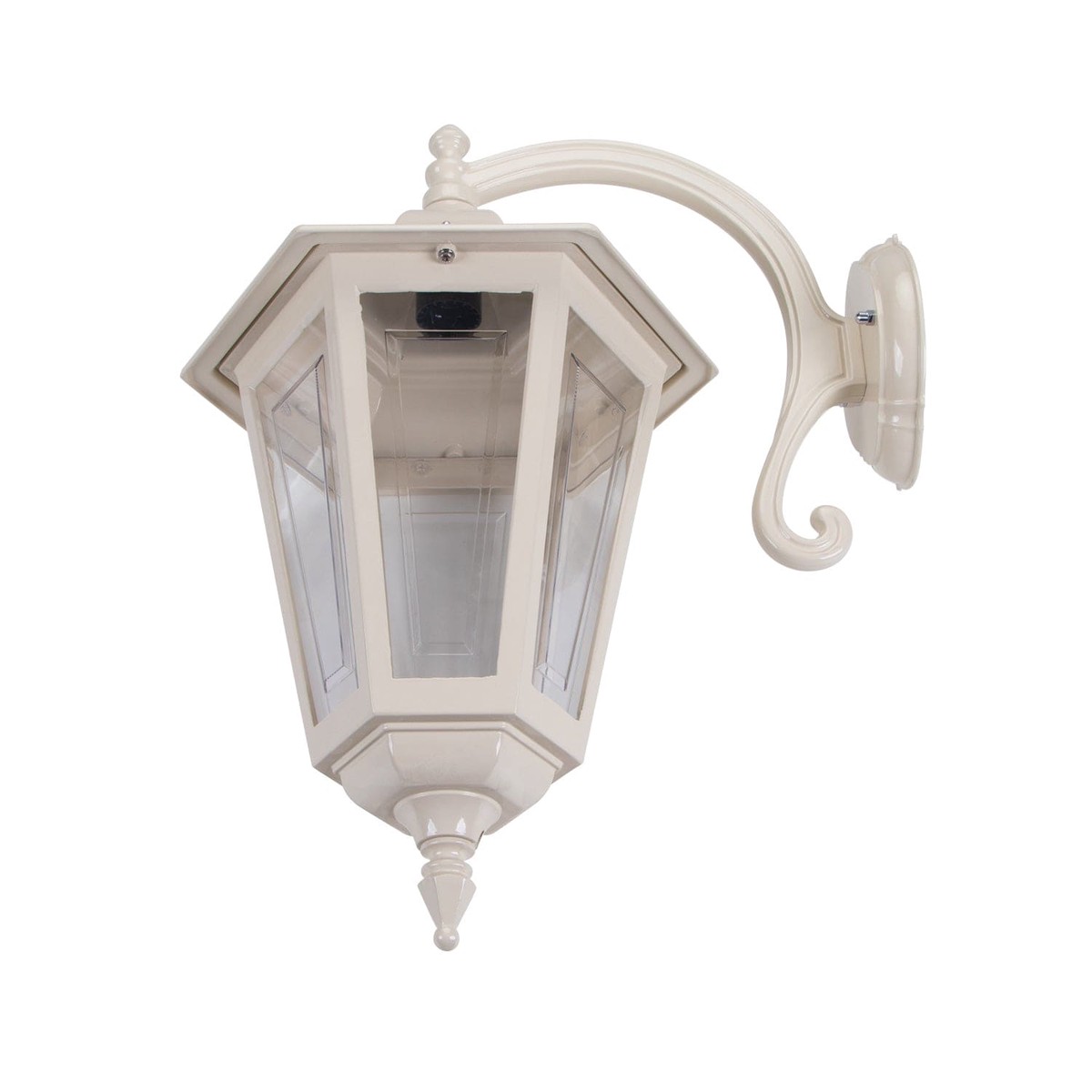
TURIN-LARGE WALL BRACKET C-ARM DOWN B22
$124.5
$415
SKU: KO80391100730
Availability:
in Stock
The Domus TURIN LARGE wall bracket, C-arm downward is a wall-mountedexterior lantern 640mm high, 370mm wide,B22, 240V, IP43, in fivecolours. A curve with the lantern beneath the combination worth having…
The Domus TURIN LARGE wall bracket, C-arm downward is a wall-mountedexterior lantern 640mm high, 370mm wide,B22, 240V, IP43, in fivecolours.
A curve with the lantern beneath the combination worth having
- The LARGE range offers a straight downward arm, this curved one, and a curved upwardone.
- THE CURVE IS WHAT MAKES A DOWNWARD LANTERN LOOK TRADITIONAL. A straightarm with a lantern hung under it reads as functional; a curved arm reads as a period fitting, because thecurve is what the original gas brackets had.
- SO THIS IS THE ONE THAT GIVES YOU BOTH THINGS AT ONCE:
- The traditional silhouette of a curved arm.
- The orientation that spills no light, shades its own source, and lasts longest inweather.
- ON A HERITAGE FRONTAGE NEAR A BOUNDARY THAT IS EXACTLY WHAT IS WANTED where an upward lantern would spill over the line and a straight arm would look tooplain.
Downward is the durable orientation
- THE LANTERN HANGS BENEATH THE ARM, SO ITS OWN BODY SHEDS WATER AWAY FROM THE OPENINGrather than collecting it. That is why a downward bracket outlives an upward one on anyelevation that takes weather.
- IT IS ALSO THE CONSIDERATE ARRANGEMENT. Nothing goes into the sky, thelantern body shades the source from anyone looking at the wall from a distance, and light lands on theground where it is useful rather than on the wall above.
- ON A BOUNDARY WALL, A SHARED DRIVEWAY OR A DENSE STREET THAT MATTERS MORE THAN THEEFFECT. An upward lantern on a party wall is a complaint waiting tohappen.
- IP43 STILL MEANS SPRAYING WATER TO 60 FROM VERTICAL rather than drivingrain, so mount it under an eave or off the weather side where you can thedownward geometry helps but does not change the rating. The 4 excludes wires and mostinsects.
Its dimensions match the upward C-arm checked, and correct
Both C-arm brackets publish 370mm wide and640mm high. Identical figures on two SKUs normally read as acopy-paste error. HERE THEY ARE MIRROR IMAGES the same curve and the samelantern in the same envelope, with the arm rotated. A mirrored pair genuinely occupiesthe same box. What differs is where the lantern sits within it: on this downwardversion the lantern hangs below the fixing, so set the mounting height from the bottom ofthe lantern the opposite of the upward version, and the commonest error when both are specified onone job.
370 mm, and a curve sweeps wider than it measures
- It projects to 370mm and hangs 640mm below thefixing. Enough to catch a door, a gate, or someone carrying somethingpast.
- AND A C-ARM REACHES ITS WIDEST PARTWAY OUT, so a straight measurement from the wallunderstates what it sweeps past. Check the swing of anything near it and the width ofthe path beneath.
- A USEFUL MOUNTING HEIGHT IS AROUND 2.12.3m to the fixing, putting the lantern bottomnear 1.451.65m above head height and below the point where light stopsbeing useful on the ground.
- MOUNT THEM AT A CONSISTENT HEIGHT ALONG A FACADE, and pick one arm type for the wholeproperty. Straight and curved arms side by side look unresolved, and uneven heights areconspicuous at night because the light pools do not line up.
B22, no lamp, and opal at a door
The lamp is not included. ON A WALL BRACKET THE LANTERN IS AT OR NEAR EYELEVEL FOR ANYONE APPROACHING THE DOOR, so a clear or filament lamp is a bright point directly in theirview. An opal B22 fills the lantern and reads as a glowingobject. On the Large lantern use a globe shape sized to fill the body; a small brightsource inside a big diffuser looks wrong. Warm rather than cool: at an entrance, coolwhite reads as institutional and unwelcoming. The moulded acrylic lens yellows graduallyunder UV, so if the lantern dims and the lamp is new, check the lens.
“Large” is a parallel range
Bracket reference GT-481, against the standard range’s GT-421, and the LARGEoffers only one complete post height. DECIDE THE LARGEST ARRANGEMENT THE PROPERTYNEEDS FIRST, THEN PICK THE FAMILY. Do not mix the two sizes: a Large lantern beside astandard one reads as a mistake rather than a hierarchy.
Made to order
Allow up to 10 business days for production. Five colours applied toorder. Order a facade’s worth together so the finish comes from onebatch.
What is published
| Specification | Value |
|---|---|
| Curve + downward | Period silhouette AND the durable orientation |
| Why the curve reads as period | It is what the original gas brackets had |
| Downward sheds water | It outlives an upward bracket in weather |
| And nothing into the sky | Suits boundaries, shared drives, dense streets |
| Dimensions match the upward C-arm | Correct mirror images |
| Set the height from | The lantern BOTTOM opposite the upward version |
| Projection | 370mm and a curve sweeps wider than it measures |
| Mounting height | ~2.12.3m to the fixing |
| IP43 | The 4 excludes insects not driving rain |
| Lamp base | B22 not included, use an opal globe |
Where it works
- Heritage frontages near a boundary period look, no spill.
- Exposed elevations the downward body sheds water.
- Entrances light on the ground, not the sky.
- Not near a door or gate swing the curve sweeps wide.
- Not mixed with straight arms pick one type.
Specifying it
Exterior wall bracket, C-arm downward, LARGE lantern. 640mm high, 370mm wide. B22,lamp not included. 220240V. IP43. Die-cast aluminium with moulded acrylic lens. Five colours.Bracket reference GT-481. Made to order, up to 10 business days. 1-year warranty. THE CURVE IS WHAT MAKES A DOWNWARD LANTERN LOOK TRADITIONAL a straight arm with a lanternhung under it reads as functional, where a curved arm reads as a period fitting because the curve is whatthe original gas brackets had. So this is the one that gives you both at once: the traditional silhouette,and the orientation that spills no light, shades its own source and lasts longest in weather. On a heritagefrontage near a boundary that is exactly what is wanted. ITS DIMENSIONS MATCH THE UPWARD C-ARM BECAUSETHE TWO ARE MIRROR IMAGES but set this one’s height from the BOTTOM of the lantern, which is the oppositeof the upward version.
Supplied and supported by Lights For You.
Questions
Why the curved arm rather than straight?
The curve is what makes a downward lantern look traditional. A straight arm with a lantern hung under it reads as functional; a curved arm reads as a period fitting, because the curve is what the original gas brackets had.
So what does this combination give me?
Both things at once the traditional silhouette of a curved arm, and the orientation that spills no light, shades its own source and lasts longest in weather. On a heritage frontage near a boundary that is exactly what is wanted, where an upward lantern would spill over the line and a straight arm would look too plain.
Why does downward last longer?
The lantern hangs beneath the arm, so its own body sheds water away from the opening rather than collecting it. On a wall that matters, because rain runs down the face and arrives at the bracket from directly above. IP43 still means spraying water to 60 degrees from vertical rather than driving rain, so mount it under an eave or off the weather side where you can the geometry helps but does not change the rating.
Why are its dimensions identical to the upward C-arm?
Because the two are mirror images the same curve and the same lantern in the same envelope, with the arm rotated. A mirrored pair genuinely occupies the same box. Identical figures on two SKUs normally read as a copy-paste error, which is why we checked.
Does that mean they mount the same way?
No, and this is the commonest error when both are specified on one job. What differs is where the lantern sits within the envelope: on this downward version it hangs below the fixing, so set the mounting height from the bottom of the lantern. On the upward version the lantern sits above the fixing and you set it from the top.
How much clearance does it need?
More than its 370mm suggests, because a C-arm reaches its widest partway out and a straight measurement from the wall understates what it sweeps past. Check the swing of anything near it and the width of the path beneath. A useful mounting height is around 2.1 to 2.3m to the fixing, putting the lantern bottom near 1.45 to 1.65m.
Anything to watch across a facade?
Consistency, in two ways. Mount them at the same height uneven brackets are conspicuous at night because the light pools do not line up. And pick one arm type for the whole property: straight and curved arms side by side look unresolved.
Only logged in customers who have purchased this product may leave a review.
Shipping policy for our store
We offer fast and reliable shipping worldwide. All orders are carefully packaged and shipped within 1–3 business days after payment confirmation.
- Fast shipping within 1-3 business days
- Free shipping on orders over $40
- 30 days money back guarantee
- 24/7 online customer support
- Secure packaging & safe delivery
Standard shipping, expedited shipping and express delivery options are available at checkout. Delivery time depends on your destination country and local logistics.
Related Products
 -50%
 -50%
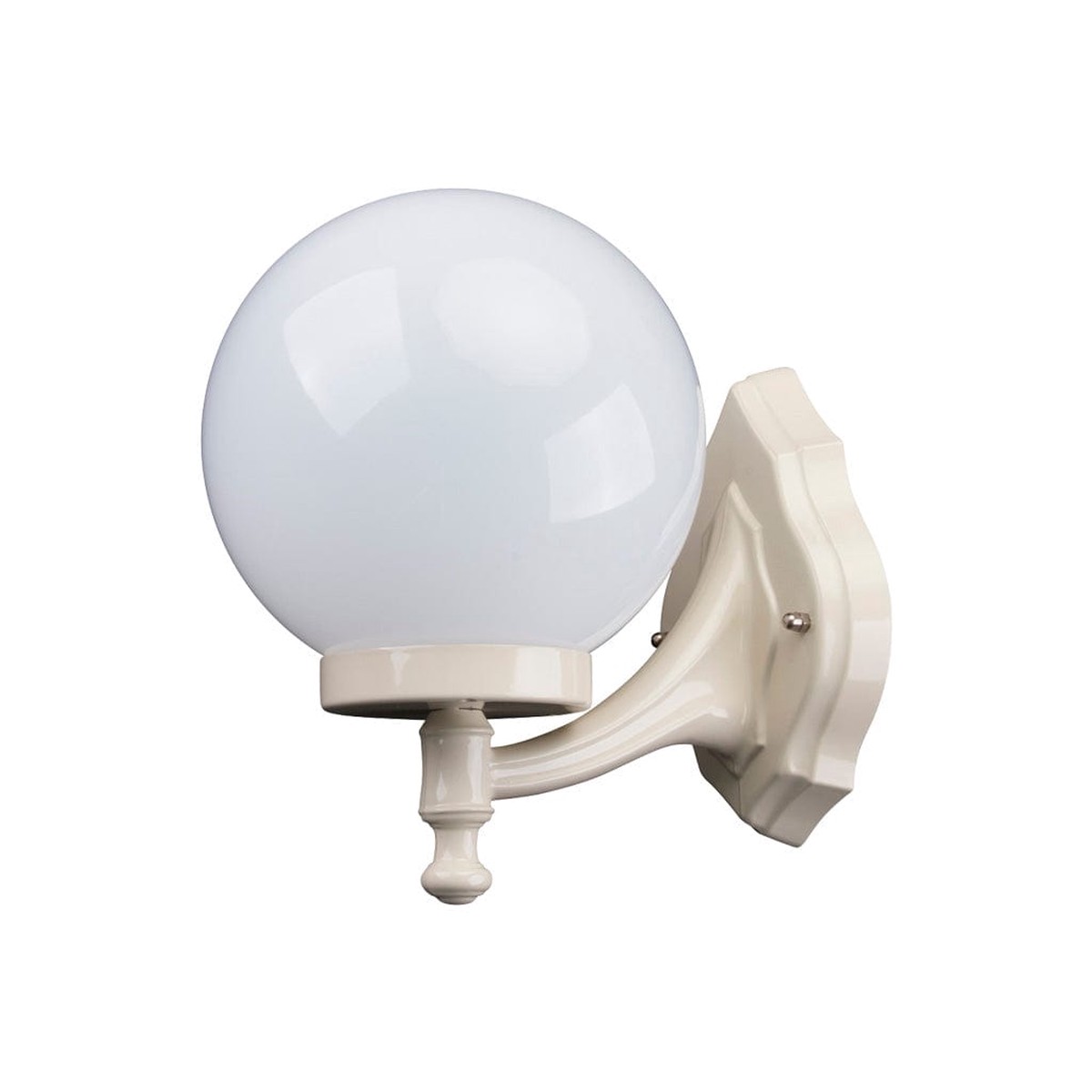
DOMUS GT-502 Siena Sphere Wall Bracket
$94.495 $188.99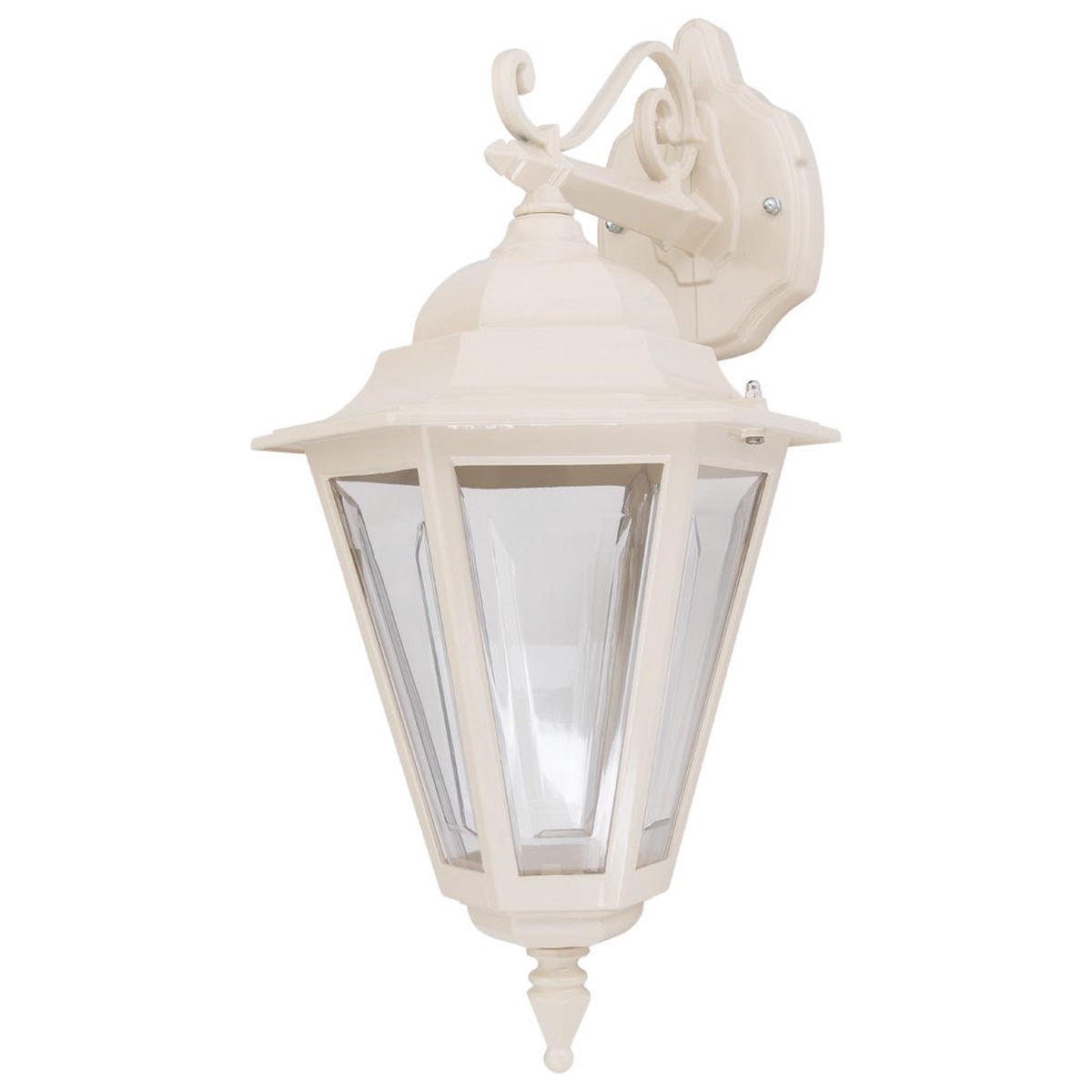 -50%
DOMUS TURIN WALL BRACKET DOWN S-ARM B22
$123.995 $247.99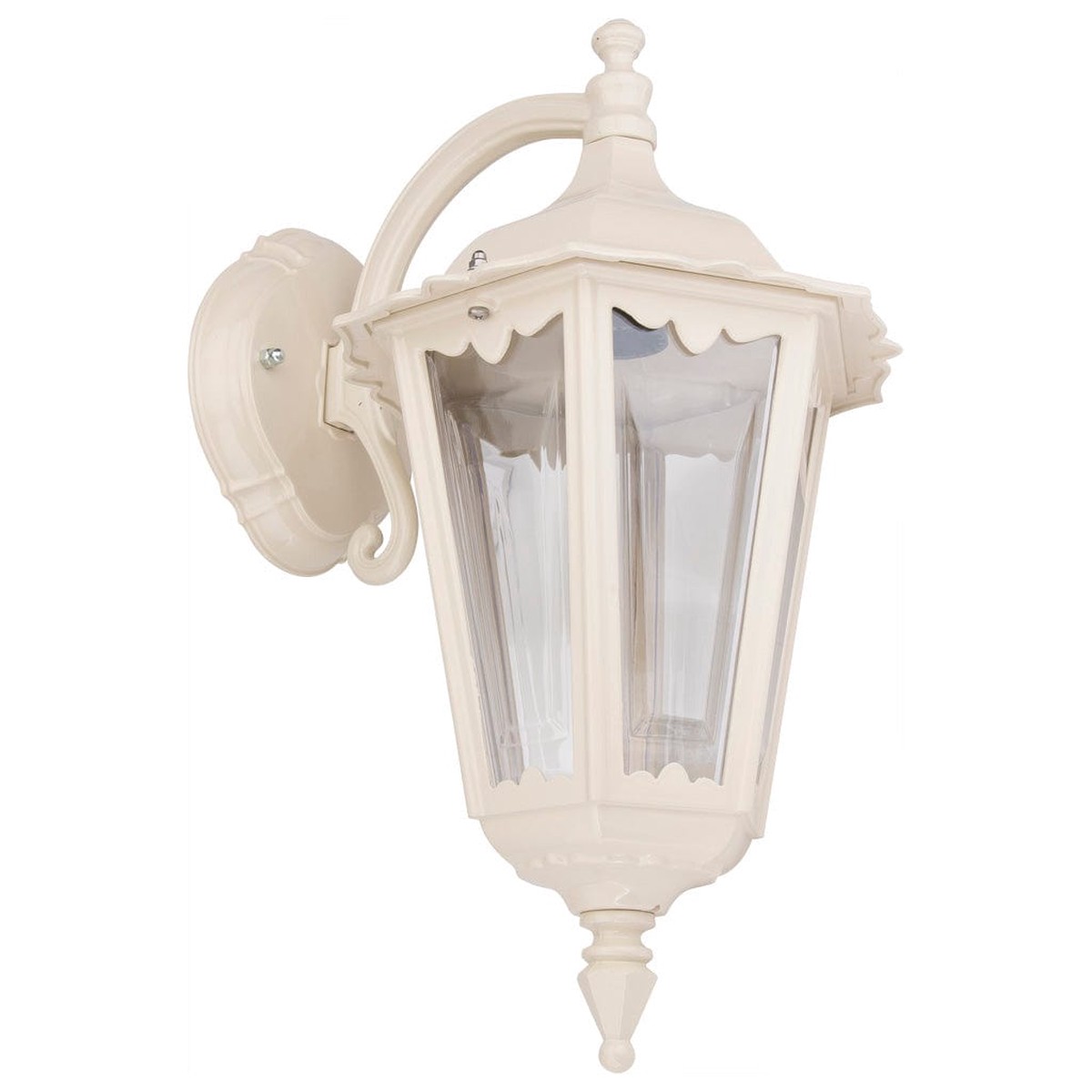 -50%