
Your shopping cart is empty!
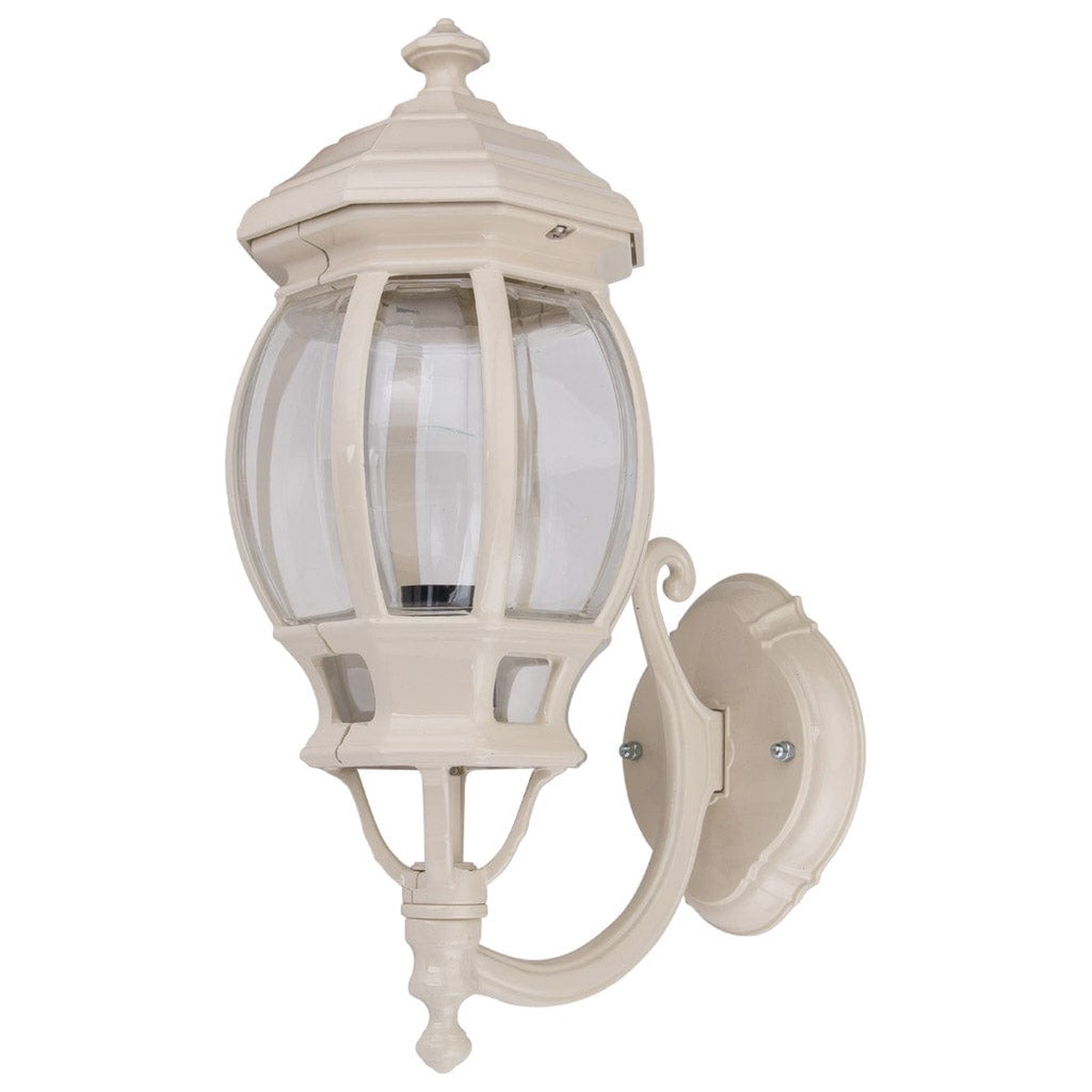
VIENNA WALL BRACKET UP C-ARM B22
$145
$335
SKU: KO80391100946
Availability:
in Stock
The Domus VIENNA wall bracket, upward C-arm is a wall-mounted exteriorlantern 430mm high, 370mm wide,250mm projection, B22, 240V, infive colours. Its IP record contradicts its own family This product's record…
The Domus VIENNA wall bracket, upward C-arm is a wall-mounted exteriorlantern 430mm high, 370mm wide,250mm projection, B22, 240V, infive colours.
Its IP record contradicts its own family
- This product’s record publishes IP43. Its own datasheet saysIP23.
- WE MEASURED THE WHOLE VIENNA FAMILY OF 25 PRODUCTS:
- Of the 24 sheets that state an IP rating, all 24 say IP23. The 25th is a diffuser panel set, which correctly carries no IP at all.
- 20 records say IP23.
- Exactly 4 say IP43 this bracket, its downward twin, and the two2.35m postlights.
- SO THIS IS NOT A SHEET-VERSUS-RECORD DISAGREEMENT. It is four products contradictingtheir own family’s other twenty and every datasheet in the range.
- AND THE FOUR SHARE A PATTERN: every one of them is non-GT-numbered, whereevery GT-numbered VIENNA product records IP23. That naming split is itself a clue aboutwhere the wrong records came from.
- TREAT IT AS IP23. The difference is the solids digit: IP2X keeps outfingers, IP4X keeps out wires and most insects and on a garden lantern that decides whether thefitting fills with insects, which is the commonest complaint about fittings likethis.
What IP23 actually permits
- IP2X excludes objects over 12.5mm fingers, notinsects. IPX3 covers spraying water to 60 fromvertical. Not driving rain, hosing or sprinklers.
- ON A WALL FITTING THAT IS MORE CONSTRAINING THAN ON A POST, because a wall channels waterdown its face and rain arrives at the bracket from directly above.
- AND AN UPWARD LANTERN IS THE MORE EXPOSED OF THE TWO ORIENTATIONS, becauseits opening faces the sky rather than being sheltered by the lantern’s ownbody.
- MOUNT IT UNDER AN EAVE, IN A PORCH, OR ON A WALL THAT IS NOT THE WEATHER SIDE. On a fully exposed elevation, the downward C-arm version is the betterchoice. Expect to open and clean it periodically whichever youpick.
The C-arm a curve rather than an S
- The VIENNA range offers straight arms and C-arms; this is the upwardC-arm. A C-ARM IS A SINGLE SWEEPING CURVE where an S-arm reverses directiontwice.
- THE C READS AS QUIETER AND MORE MODERN. An S-arm is the full periodgesture; a C-arm keeps the traditional lantern and gives it a simpler support, which suits a house that isnot trying to be a heritage reproduction.
- IT ALSO PROJECTS LESS. At 250mm this is tighter tothe wall than most brackets in the catalogue, which matters beside a door, on a narrow path or where a gateswings.
- PICK ONE ARM TYPE FOR A WHOLE PROPERTY. C-arms and S-arms side by side onone facade look unresolved, and the difference is obvious once you noticeit.
Upward-facing what it buys and what it costs
The lantern sits above the arm. THAT THROWS LIGHT UP THE WALL AS WELL ASDOWN, which on brick, stone or render lights the building rather than only theground. The costs are consistent: light goes into the sky, the source is visible from adistance rather than shaded by the lantern body, and rain reaches the opening moredirectly. So it suits an open frontage or a set-back house, and suits a boundary wall,a shared driveway or a dense street far less well than the downward version. Choose on the position rather than the picture.
Mounting height and the lamp
- ON AN UPWARD BRACKET, SET THE HEIGHT FROM THE TOP OF THE LANTERN, not thebottom. Around 1.82.0m to the fixing puts the lantern top near2.22.4m clear of a doorway and proportionate to a single-storeyfacade.
- MOUNT THEM AT A CONSISTENT HEIGHT ALONG A FACADE. Uneven brackets areconspicuous at night in a way they never are on a drawing, because each throws a visible wash and thewashes do not line up.
- THE LAMP IS NOT INCLUDED, and opal matters more on an upward lantern the source is less shaded by the fitting’s own body, so a clear or filament lamp is visible fromfurther away and from more angles. An opal B22 fills the lantern and reads as a glowingobject.
- WARM RATHER THAN COOL. At an entrance, cool white reads as institutionaland unwelcoming.
Seal the fixing face
Die-cast aluminium with a moulded acrylic lens, cast in Italy and powder-coated inAustralia. ON A WALL FITTING THE VULNERABLE POINT IS THE FIXING FACE, where thebracket meets the wall and water can sit it is the point inspected last and theone that corrodes first. Seal it properly at installation. The acrylic lens yellows gradually under UV rather than cracking, so if the lantern looks dimmerand the lamp is new, the lens is what to check replacement panel sets are available and keep theoriginal casting and its patina.
Made to order
Allow up to 10 business days for production. Five colours applied toorder. Order a facade’s worth together so the finish comes from onebatch.
What is published
| Specification | Value |
|---|---|
| Record IP rating | IP43 its own sheet says IP23 |
| Family measurement | 24 of 24 sheets stating an IP say IP23 |
| Sibling records | 20 say IP23 4 say IP43 |
| And all four outliers are | Non-GT-numbered every GT one is correct |
| Treat it as | IP23 fingers, not insects |
| Dimensions | 430mm high 370mm wide 250mm projection |
| C-arm | A single curve quieter than an S-arm, tighter to the wall |
| Upward orientation | Sky spill visible source a more exposed opening |
| Lamp base | B22 not included, use opal |
| Lead time / warranty | Up to 10 business days 1 year |
Where it works
- Open frontages and set-back houses upward suits them.
- Narrow paths and beside doors only 250mm projection.
- Textured brick, stone or render it lights the wall.
- Not on a boundary or party wall take the downward C-arm.
- Not mixed with S-arms pick one arm type.
Specifying it
Exterior wall bracket, upward C-arm. 430mm high, 370mm wide, 250mm projection.B22, lamp not included. 220240V. Die-cast aluminium with moulded acrylic lens. Five colours. Made toorder, up to 10 business days. 1-year warranty. ITS RECORD PUBLISHES IP43 WHERE ITS OWN DATASHEET SAYS IP23, and this is not asheet-versus-record disagreement: of the 24 VIENNA sheets that state an IP rating all 24 say IP23, 20sibling records say IP23, and exactly 4 say IP43 this bracket, its downward twin and the two 2.35 mpostlights. All four are non-GT-numbered, where every GT-numbered VIENNA product records IP23. TREAT IT ASIP23. The difference is the solids digit: IP2X keeps out fingers and IP4X keeps out wires and insects,which on a garden lantern decides whether the fitting fills with insects.
Supplied and supported by Lights For You.
Questions
Is it IP23 or IP43?
Treat it as IP23. Its record says IP43 and its own datasheet says IP23 and this is not a simple sheet-versus-record disagreement. Of the 24 VIENNA sheets that state an IP rating, all 24 say IP23; 20 sibling records say IP23; and exactly 4 say IP43, this bracket among them.
How confident is that?
It is four products contradicting their own family’s other twenty and every datasheet in the range. The four also share a pattern: every one is non-GT-numbered, where every GT-numbered VIENNA product records IP23. That naming split is itself a clue about where the wrong records came from.
Does the difference matter?
It is the solids digit. IP2X excludes objects over 12.5mm, which is fingers rather than insects; IP4X excludes wires and most insects. On a garden lantern that decides whether the fitting fills with insects, which is the commonest complaint about fittings like this. Expect to open and clean it periodically.
Where should it go?
Somewhere sheltered. IPX3 covers spraying water to 60 degrees from vertical, not driving rain, hosing or sprinklers and on a wall that is more constraining than on a post, because a wall channels water down its face and rain arrives from directly above. An upward lantern is the more exposed of the two orientations, since its opening faces the sky rather than being sheltered by the lantern body. Mount it under an eave, in a porch, or off the weather side; on a fully exposed elevation the downward C-arm is the better choice.
What is a C-arm?
A single sweeping curve, where an S-arm reverses direction twice. The C reads as quieter and more modern an S-arm is the full period gesture, where a C-arm keeps the traditional lantern and gives it a simpler support. It also projects less: at 250mm this is tighter to the wall than most brackets in the catalogue, which matters beside a door, on a narrow path or where a gate swings.
Can I mix C-arms and S-arms?
Better not. Side by side on one facade they look unresolved, and the difference is obvious once you notice it. Pick one arm type for the whole property.
How high should I mount it?
Set the height from the top of the lantern rather than the bottom, because on an upward bracket the lantern sits above the fixing. Around 1.8 to 2.0m to the fixing puts the lantern top near 2.2 to 2.4m clear of a doorway and proportionate to a single-storey facade. Mount them at a consistent height along a facade: uneven brackets are conspicuous at night in a way they never are on a drawing.
Only logged in customers who have purchased this product may leave a review.
Shipping policy for our store
We offer fast and reliable shipping worldwide. All orders are carefully packaged and shipped within 1–3 business days after payment confirmation.
- Fast shipping within 1-3 business days
- Free shipping on orders over $40
- 30 days money back guarantee
- 24/7 online customer support
- Secure packaging & safe delivery
Standard shipping, expedited shipping and express delivery options are available at checkout. Delivery time depends on your destination country and local logistics.
Related Products
 -70%
 -50%
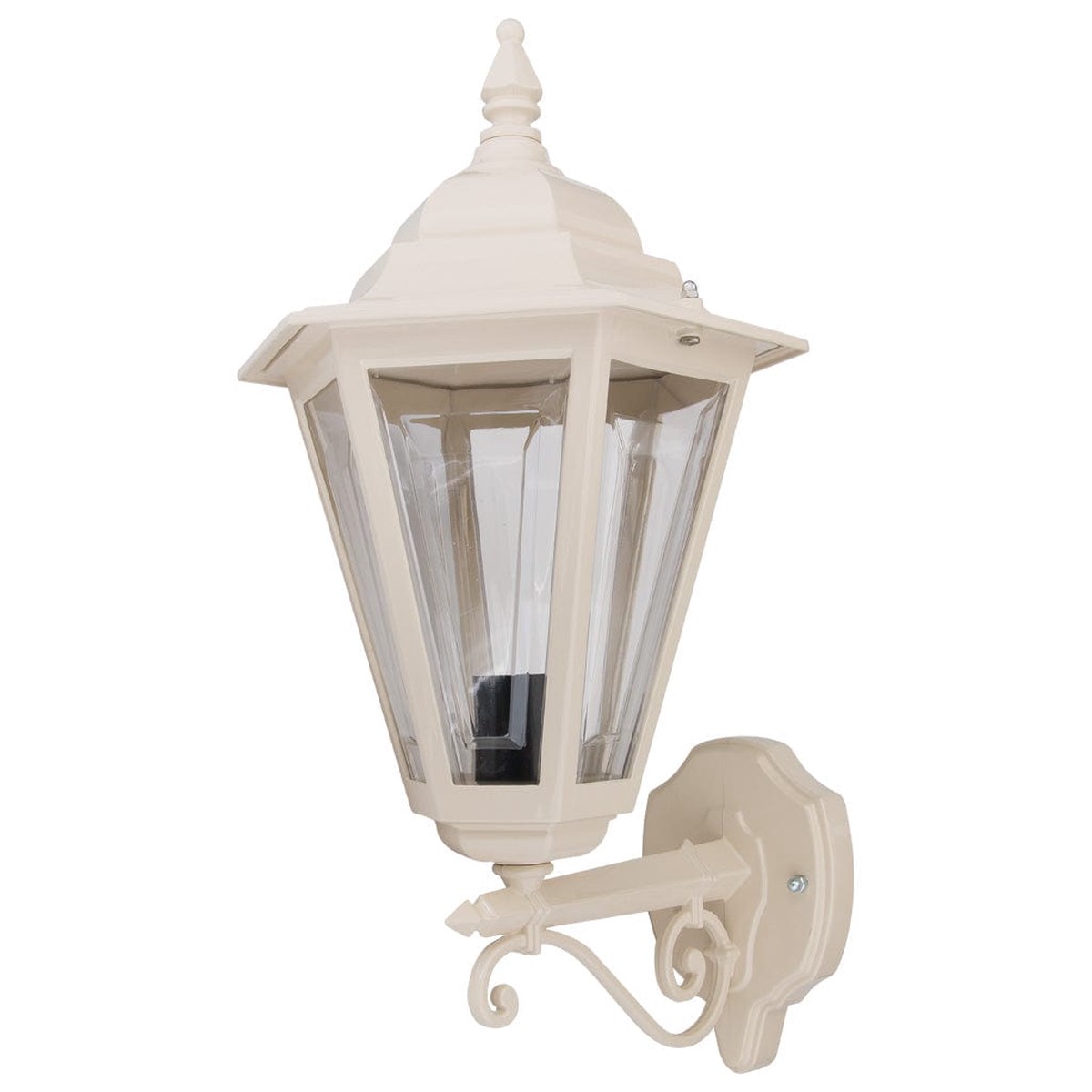
DOMUS TURIN WALL BRACKET UP S-ARM B22
$123.995 $247.99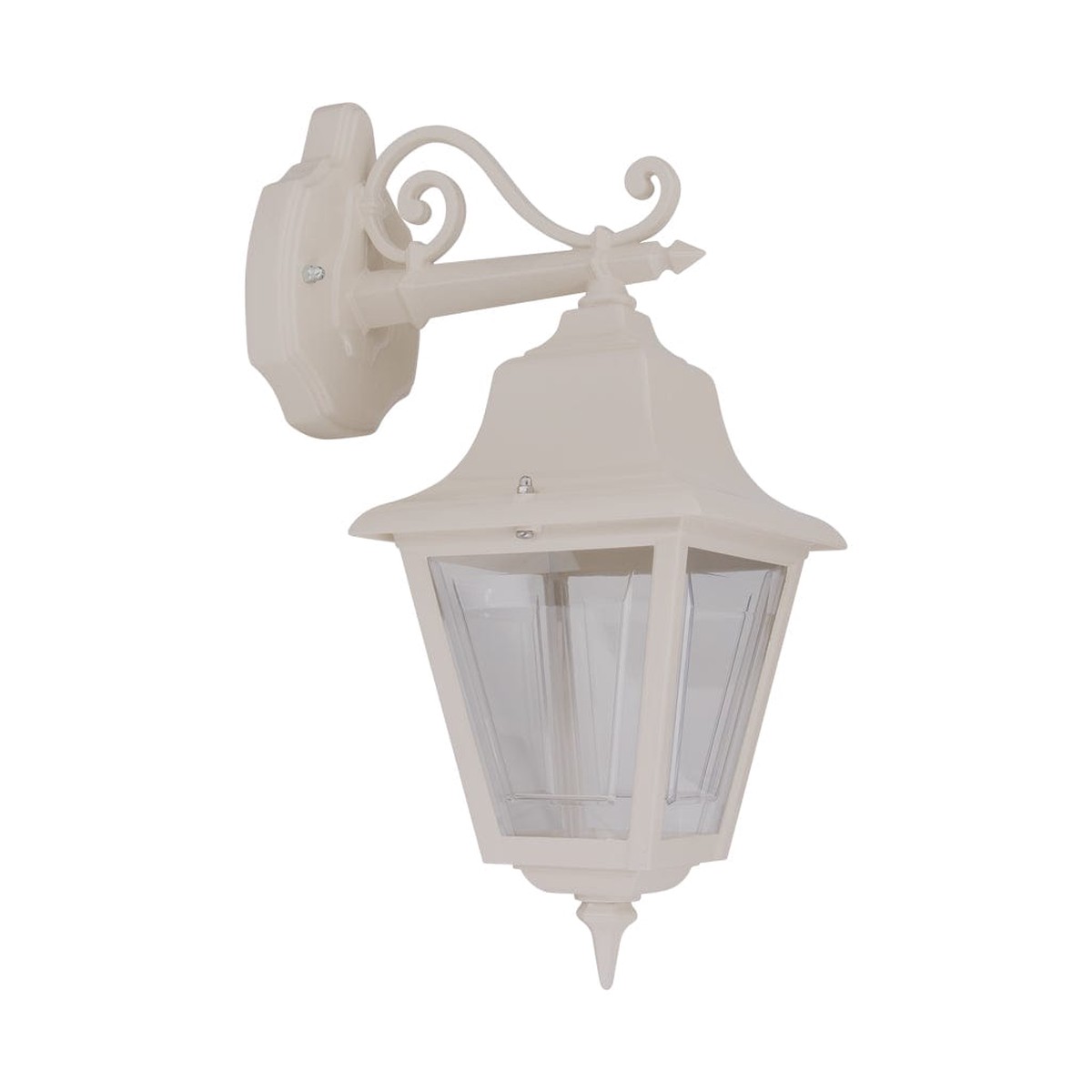 -50%
DOMUS PARIS WALL BRACKET DOWN S-ARM
$123.995 $247.99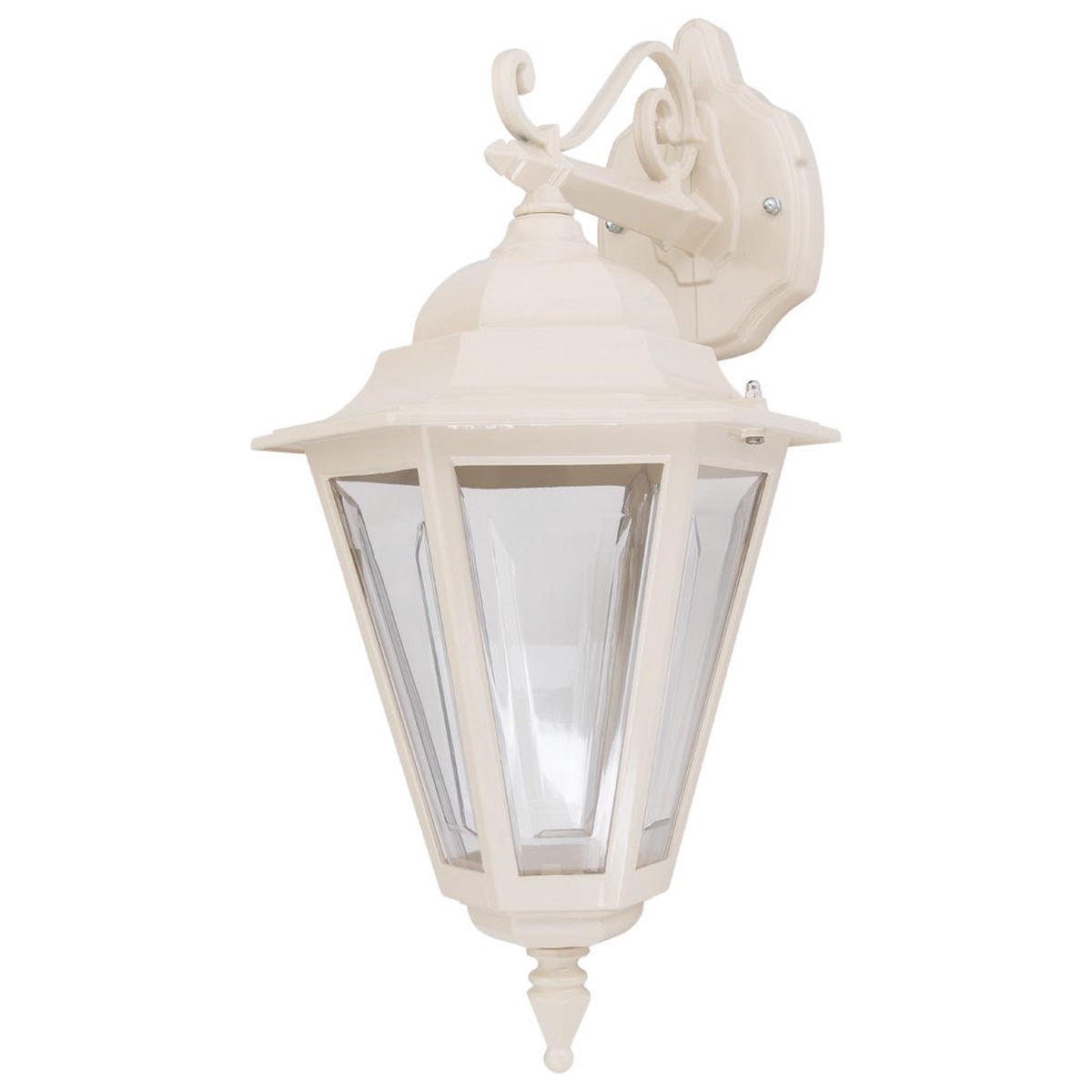 -50%