
Your shopping cart is empty!
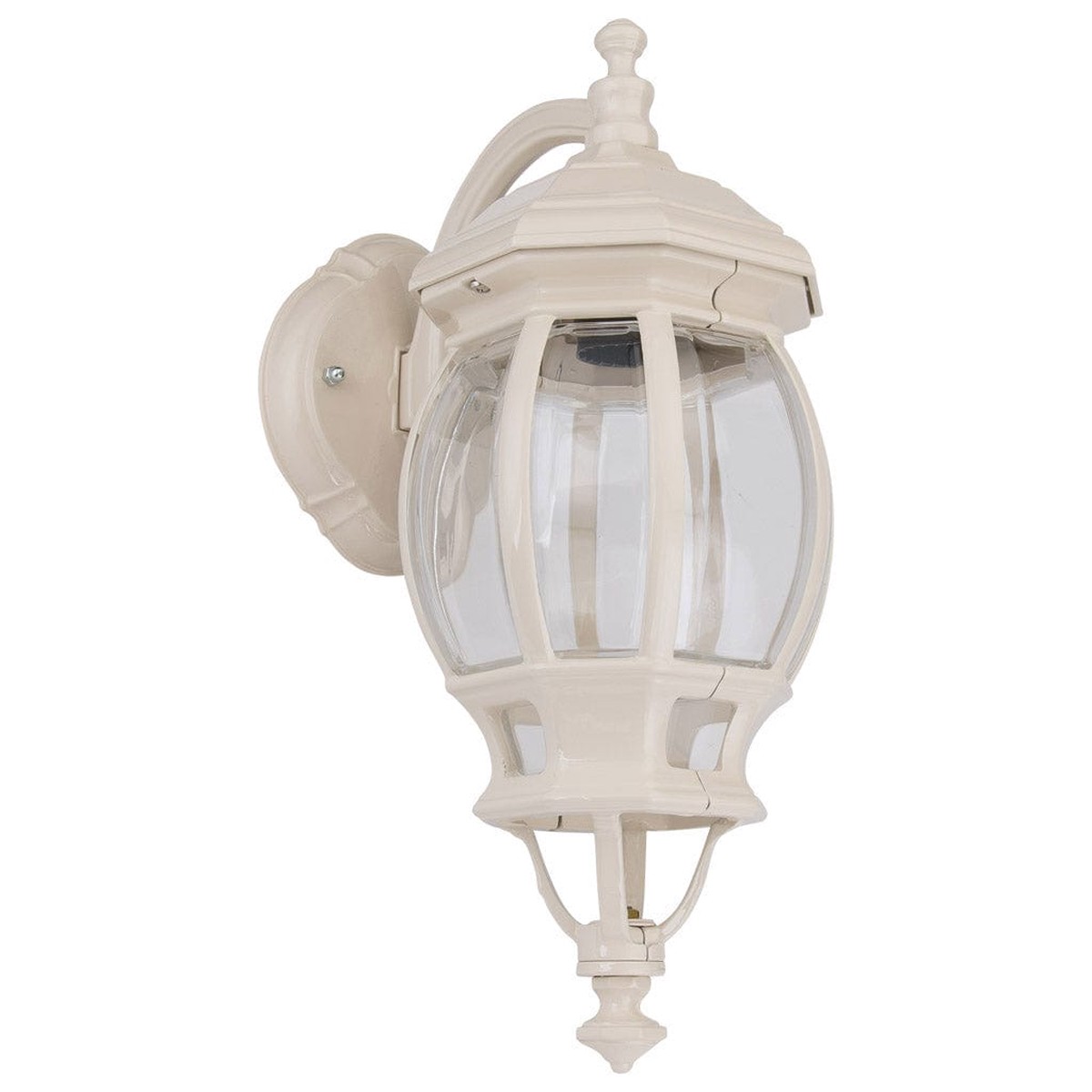
VIENNA WALL BRACKET DOWN C-ARM B22
$148
$335
SKU: KO80391100947
Availability:
in Stock
The Domus VIENNA wall bracket, downward C-arm is a wall-mountedexterior lantern 420mm high, 370mm wide,290mm projection, B22, 240V, infive colours. Its IP record is one of four in the family…
The Domus VIENNA wall bracket, downward C-arm is a wall-mountedexterior lantern 420mm high, 370mm wide,290mm projection, B22, 240V, infive colours.
Its IP record is one of four in the family that are wrong
- Record IP43; its own datasheet says IP23.
- OF THE 24 VIENNA SHEETS THAT STATE AN IP RATING, ALL 24 SAY IP23. Twenty sibling recordssay IP23. Exactly four say IP43 this bracket, its upward twin, and the two 2.35mpostlights. All four are non-GT-numbered.
- TREAT IT AS IP23. IP2X excludes fingers rather than insects, so expect toopen and clean the lantern periodically.
- AND HERE THE CORRECTION CHANGES THE ADVICE RATHER THAN JUST THE NUMBER. At a true IP23 this is a sheltered-position fitting, which makes the downward orientation theright one to have chosen it is the version that copes best with the exposure the rating does notcover.
Downward is the orientation that survives exposure
- The lantern hangs beneath the arm and faces down. ITS OWN BODY THEREFORE SHEDS WATER AWAY FROM THE OPENING rather than collectingit which is why a downward bracket outlasts an upward one on any exposedelevation.
- IT IS ALSO THE CONSIDERATE ARRANGEMENT. Nothing goes into the sky, thelantern body shades the source from anyone looking at the wall from a distance, and light lands on theground where it is useful rather than on the wall above the fitting.
- ON A BOUNDARY WALL, A SHARED DRIVEWAY OR A DENSE STREET THAT MATTERS MORE THAN THEEFFECT. An upward lantern on a party wall is a complaint waiting to happen; a downwardone is not.
- THE COUNTER-ARGUMENT IS APPEARANCE. The upward version reads as theclassic coach-lamp posture; this one reads as quieter and more functional. Choose on the position rather than the picture.
290 mm projection and a curve sweeps wider than it measures
- It projects 290mm and hangs 420mm below thefixing. Enough to catch a door, a gate, or someone carrying somethingpast.
- A C-ARM REACHES ITS WIDEST PARTWAY OUT, so a straight measurement from the wallunderstates what it sweeps past. Check the swing of anything near it and the width ofthe path beneath.
- NOTE IT PROJECTS 40 mm MORE THAN THE UPWARD C-ARM 290 against 250 because the curve has to carry the lantern clear of the wall rather than tuck itin.
- A USEFUL MOUNTING HEIGHT IS AROUND 2.02.2m to the fixing, putting the lantern bottomnear 1.61.8m above head height and below the point where light stops beinguseful on the ground.
The C-arm, and keeping a property coherent
A C-arm is a single sweeping curve where an S-arm reverses directiontwice. THE C READS AS QUIETER AND MORE MODERN it keeps the traditional lanternand gives it a simpler support, which suits a house that is not a heritagereproduction. Pick one arm type for a whole property. C-arms and S-arms side by side on one facade look unresolved. The VIENNA head serves brackets, pillar mounts, post tops, pendants and posts, so a property cancarry one lantern and one arm style throughout which is the argument for the range and the thing amixed specification always loses.
B22, no lamp, and opal at a door
The lamp is not included. ON A WALL BRACKET THE LANTERN IS AT OR NEAR EYELEVEL FOR ANYONE APPROACHING THE DOOR, so a clear or filament lamp is a bright point directly in theirview. An opal B22 fills the lantern and reads as a glowingobject. Warm rather than cool: at an entrance, cool white reads as institutional andunwelcoming. The moulded acrylic lens yellows gradually under UV, so if the lanternlooks dimmer and the lamp is new, check the lens before replacing the lampagain.
Seal the fixing face
Die-cast aluminium, cast in Italy and powder-coated in Australia. THE VULNERABLE POINT ON ANY WALL FITTING IS THE FIXING FACE, where the bracket meets the walland water can sit. It is inspected last and corrodes first. Seal it properly at installation and check it as part of any maintenance and while youare there, check the lantern’s own seals, because at a true IP23 this fitting depends on them more than itsrecord suggested.
Made to order
Allow up to 10 business days for production. Five colours applied toorder. Order a facade’s worth together so the finish comes from onebatch.
What is published
| Specification | Value |
|---|---|
| Record IP rating | IP43 its own sheet says IP23 |
| Family measurement | 24 of 24 sheets say IP23 20 records agree 4 do not |
| And the correction changes the advice | At IP23 this is a sheltered-position fitting |
| Which makes downward the right choice | Its body sheds water away from the opening |
| And nothing goes into the sky | Suits boundaries, shared drives, dense streets |
| Projection | 290mm 40 more than the upward C-arm |
| And a curve sweeps wider | Widest partway out not at the wall |
| Mounting height | ~2.02.2m to the fixing |
| Lamp base | B22 not included, use opal |
| Lead time / warranty | Up to 10 business days 1 year |
Where it works
- Boundary and party walls nothing upward.
- Exposed elevations the body sheds water.
- Entrances light on the ground, not the sky.
- Not near a door or gate swing the curve sweeps wide.
- Not mixed with S-arms pick one arm type.
Specifying it
Exterior wall bracket, downward C-arm. 420mm high, 370mm wide, 290mmprojection. B22, lamp not included. 220240V. Die-cast aluminium with moulded acrylic lens. Fivecolours. Made to order, up to 10 business days. 1-year warranty. ITS RECORD PUBLISHES IP43 WHERE ITS SHEET SAYS IP23 the fourth and last of four VIENNAproducts doing so, against 24 of 24 family sheets and 20 sibling records that say IP23, and all fournon-GT-numbered. HERE THE CORRECTION CHANGES THE ADVICE RATHER THAN JUST THE NUMBER: at a true IP23this is a sheltered-position fitting, which makes the downward orientation the right one to have chosen.The lantern hangs beneath the arm, so its own body sheds water away from the opening rather than collectingit which is why a downward bracket outlasts an upward one on any exposed elevation. CHECK THE 290 mmPROJECTION AGAINST WHAT OPENS, and note a curve sweeps wider than it measures.
Supplied and supported by Lights For You.
Questions
Is it IP23 or IP43?
Treat it as IP23. Its record says IP43 and its sheet says IP23, and it is the fourth of four VIENNA products doing so against 24 of 24 family sheets that state an IP and 20 sibling records saying IP23. All four outliers are non-GT-numbered.
Does the correction change anything practical?
Here it changes the advice rather than just the number. At a true IP23 this is a sheltered-position fitting IPX3 covers spraying water to 60 degrees from vertical, not driving rain or hosing which makes the downward orientation the right one to have chosen, because it is the version that copes best with the exposure the rating does not cover.
Why does downward cope better?
The lantern hangs beneath the arm, so its own body sheds water away from the opening rather than collecting it. On a wall that matters more than on a post, because a wall channels water down its face and rain arrives at the bracket from directly above.
What else does downward give me?
It is the considerate arrangement. Nothing goes into the sky, the lantern body shades the source from anyone looking at the wall from a distance, and light lands on the ground where it is useful. On a boundary wall, a shared driveway or a dense street that matters more than the effect an upward lantern on a party wall is a complaint waiting to happen.
How much clearance does it need?
More than its 290mm projection suggests, because a C-arm reaches its widest partway out and a straight measurement from the wall understates what it sweeps past. Note it projects 40mm more than the upward C-arm 290 against 250 because the curve has to carry the lantern clear of the wall rather than tuck it in.
How high should I mount it?
Around 2.0 to 2.2 metres to the fixing, which puts the lantern bottom near 1.6 to 1.8m above head height and below the point where light stops being useful on the ground.
Can I mix C-arms and S-arms?
Better not; side by side on one facade they look unresolved. A C-arm is a single sweeping curve where an S-arm reverses direction twice, and the C reads as quieter and more modern. The VIENNA head serves brackets, pillar mounts, post tops, pendants and posts, so a property can carry one lantern and one arm style throughout which is the argument for the range and the thing a mixed specification always loses.
Only logged in customers who have purchased this product may leave a review.
Shipping policy for our store
We offer fast and reliable shipping worldwide. All orders are carefully packaged and shipped within 1–3 business days after payment confirmation.
- Fast shipping within 1-3 business days
- Free shipping on orders over $40
- 30 days money back guarantee
- 24/7 online customer support
- Secure packaging & safe delivery
Standard shipping, expedited shipping and express delivery options are available at checkout. Delivery time depends on your destination country and local logistics.
Related Products
 -50%
 -70%
GT-695 Vienna Large Downward Wall Light
$124.5 $415 -57%
VIENNA WALL BRACKET UP C-ARM B22
$145 $335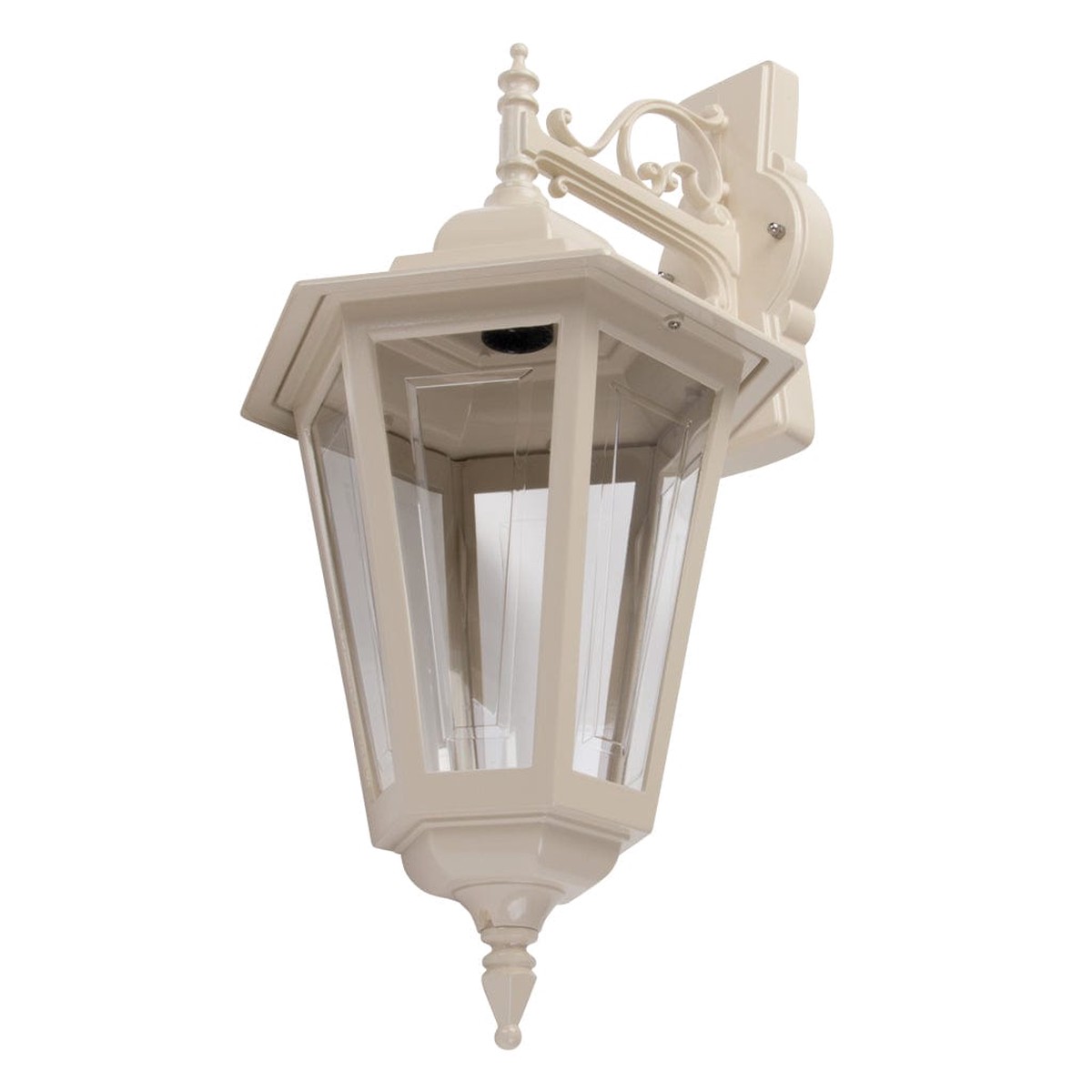 -70%