
Your shopping cart is empty!
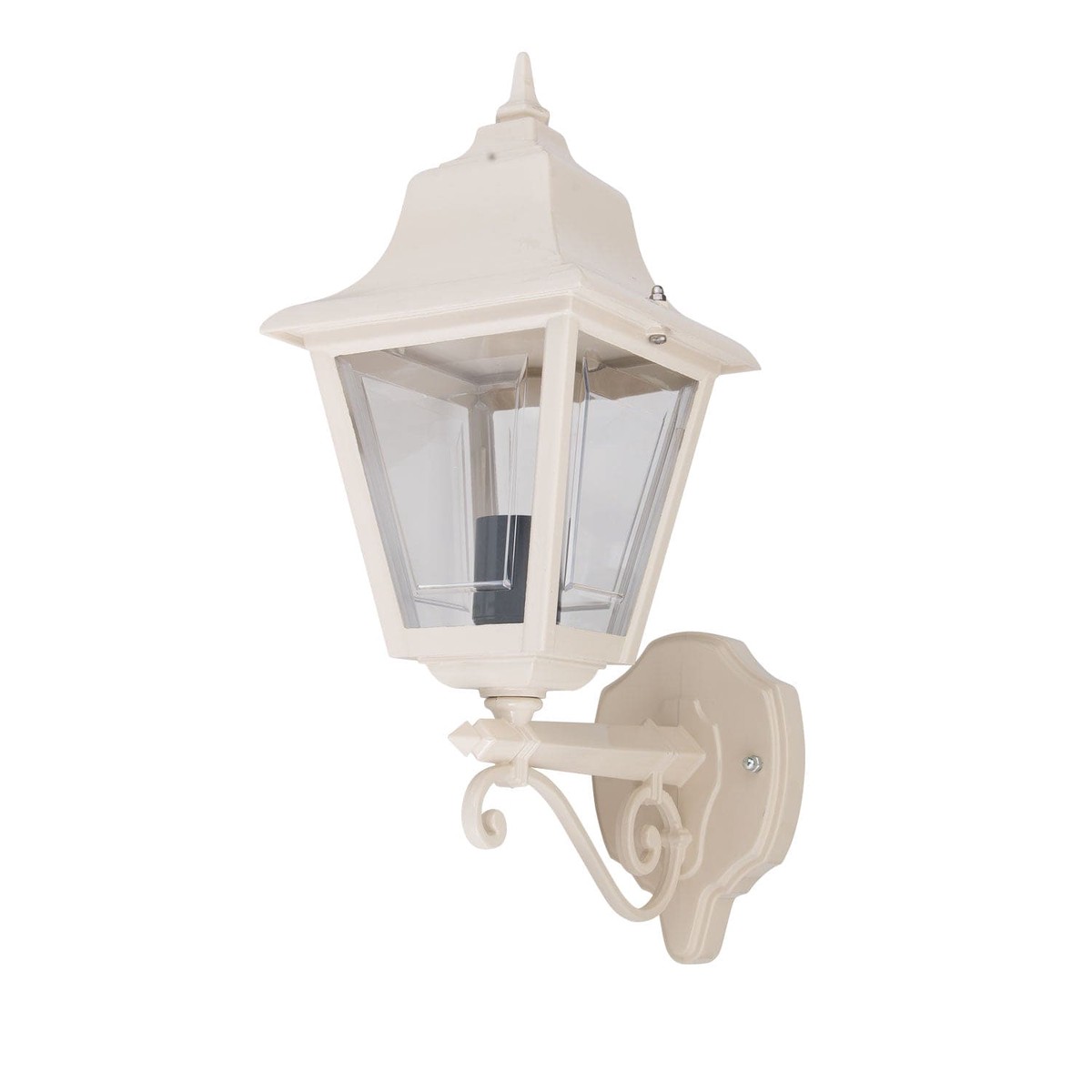
PARIS WALL BRACKET UP S-ARM
$123.995
$247.99
SKU: KO80391100914
Availability:
in Stock
The Domus PARIS wall bracket, upward S-arm is a wall-mounted exteriorlantern 450mm high, 275mm projection,B22, 240V, IP43, in fivecolours. Upward S-arm the classic posture, and what it costs The lantern…
The Domus PARIS wall bracket, upward S-arm is a wall-mounted exteriorlantern 450mm high, 275mm projection,B22, 240V, IP43, in fivecolours.
Upward S-arm the classic posture, and what it costs
- The lantern sits on top of a curved S-arm rather than hanging beneath it. THAT IS THE CLASSIC COACH-LAMP POSTURE and it is why most people choose this arrangement:it reads as traditional and deliberate in a way the downward version does not.
- IT ALSO THROWS LIGHT UP THE WALL AS WELL AS DOWN, which on a facade withtexture brick, stone, render lights the building rather than just theground.
- THE COSTS ARE REAL AND THEY ARE ALL ABOUT POSITION:
- Light goes into the sky, so it contributes to spill.
- The source is visible from a distance rather than shaded by the lanternbody.
- Rain arriving down the wall reaches the lantern’s opening more directly than it reaches adownward one’s.
- SO IT SUITS AN OPEN FRONTAGE, A SET-BACK HOUSE OR A SHELTERED PORCH, andsuits a boundary wall, a shared driveway or a dense street far less well than the downward versiondoes. Choose on the position rather than the picture.
The PARIS range has a curved-arm post option the other families lack
The family prose lists wall bracket, pillar mount, post top, pendant and wall-mountedarrangements, plus single-head posts at 1.32, 1.96 and 2.37m and twin-head posts at 1.49, 2.11 and2.47m and a 2.4m curved arm option on both the twin and tripleheads. THAT CURVED-ARM POST IS SOMETHING THE TURIN AND VIENNA RANGES DO NOTOFFER, and it matches this bracket’s own curved S-arm. So a property can carry thecurve from the door to the drive, which is a coherence the straight-armed ranges cannotmanage. Note the curved-arm posts are 2.4m where the straight twin reaches2.47m pick one arm type and stay with it, because mixing them shows as a 70mm heightdifference plus a change of shape.
275 mm projection check what opens
- It projects 275mm and stands 450mmhigh. Enough to catch a door, a gate, or someone carrying somethingpast.
- AND AN S-ARM SWEEPS WIDER THAN ITS PROJECTION SUGGESTS the curvereaches its widest partway out, so a straight measurement from the wall understates what it passesby.
- ON AN UPWARD BRACKET, SET THE MOUNTING HEIGHT FROM THE TOP OF THE LANTERN rather than thebottom, because the lantern sits above the fixing. Around1.82.0m to the fixing puts the lantern top near 2.252.45m clear of a doorway andproportionate to a single-storey facade.
- MOUNT THEM AT A CONSISTENT HEIGHT ALONG A FACADE. Unevenly set bracketsare conspicuous at night in a way they never are on a drawing, because each throws a visible wash and thewashes do not line up.
IP43, and the fixing face is what fails
- IP4X keeps out wires and most insects; IPX3 covers sprayingwater to 60 from vertical. Not driving rain, hosing orsprinklers.
- THE 4 IS BETTER THAN THE VIENNA FAMILY’S 2 on a garden lantern thesolids digit decides whether the fitting fills with insects, which is the commonest complaint aboutfittings like this.
- ON A WALL FITTING THE VULNERABLE POINT IS THE FIXING FACE, where the bracket meets thewall and water can sit. Seal it properly at installation and check it as part of anymaintenance it is the point people inspect last and the one that corrodesfirst.
- MOUNT IT UNDER AN EAVE OR OFF THE WEATHER SIDE IF YOU CAN. An upwardlantern on a fully exposed elevation will collect water eventually.
B22, no lamp, and opal matters more upward
The lamp is not included. ON AN UPWARD LANTERN THE SOURCE IS LESS SHADEDBY THE FITTING’S OWN BODY, so a clear or filament lamp is visible from further away and from moreangles. An opal B22 fills the lantern and reads as a glowing object rather than a brightpoint. Warm rather than cool: at an entrance, cool white reads as institutional andunwelcoming. The moulded acrylic lens yellows gradually under UV, so if the lanternlooks dimmer and the lamp is new, the lens is what to check.
Made to order
Allow up to 10 business days for production. Five colours applied to order,die-cast in Italy and powder-coated in Australia. Order a facade’s worth together so thefinish comes from one batch.
What is published
| Specification | Value |
|---|---|
| Orientation | Upward S-arm the classic coach-lamp posture |
| It lights the wall too | Good on textured brick, stone or render |
| The costs | Sky spill a visible source a more exposed opening |
| So it suits | Open frontages not boundaries or dense streets |
| PARIS family extra | A 2.4m curved-arm post the TURIN and VIENNA lack |
| Projection | 275mm and an S-arm sweeps wider than it measures |
| Mounting height | ~1.82.0m to the fixing set it from the lantern TOP |
| IP rating | IP43 the 4 excludes insects, unlike VIENNA’s 2 |
| Seal the FIXING FACE | Inspected last, corrodes first |
| Lead time / warranty | Up to 10 business days 1 year |
Where it works
- Open frontages and set-back houses the classic posture.
- Textured brick, stone or render it lights the wall.
- With curved-arm PARIS posts the curve carries through.
- Not on a boundary or party wall take the downward version.
- Not near a door swing the S-arm sweeps wide.
Specifying it
Exterior wall bracket, upward S-arm. 450mm high, 275mm projection. B22, lamp notincluded. 220240V. IP43. Light die-cast aluminium with moulded acrylic lens, made in Italy,powder-coated in Australia. Five colours. Made to order, up to 10 business days. 1-year warranty. THE UPWARD S-ARM IS THE CLASSIC COACH-LAMP POSTURE, and it is why most people choose thisarrangement it reads as traditional and deliberate where the downward version reads as functional. Italso throws light up the wall as well as down, which on textured brick, stone or render lights the buildingrather than just the ground. THE COSTS ARE ALL ABOUT POSITION: light goes into the sky, the source isvisible from a distance rather than shaded by the lantern body, and rain arriving down the wall reaches theopening more directly. So it suits an open frontage or a set-back house, and suits a boundary wall or adense street far less well than the downward version. Choose on the position rather than thepicture.
Supplied and supported by Lights For You.
Questions
Why choose the upward version?
Appearance, mainly. The lantern sits on top of a curved S-arm rather than hanging beneath it, which is the classic coach-lamp posture and reads as traditional and deliberate where the downward version reads as functional. It also throws light up the wall as well as down, so on a facade with texture brick, stone, render it lights the building rather than just the ground.
What does that cost?
Three things, all about position. Light goes into the sky so it contributes to spill; the source is visible from a distance rather than shaded by the lantern body; and rain arriving down the wall reaches the lantern’s opening more directly than it reaches a downward one’s. So it suits an open frontage, a set-back house or a sheltered porch, and suits a boundary wall, a shared driveway or a dense street far less well.
What does the PARIS range offer that others do not?
A curved-arm post. Its family lists single-head posts at 1.32, 1.96 and 2.37m and twin-head posts at 1.49, 2.11 and 2.47m, plus a 2.4m “curved arm” option on both the twin and triple heads which the TURIN and VIENNA ranges do not have, and which matches this bracket’s own curved S-arm. So a property can carry the curve from the door to the drive.
Can I mix curved and straight arms?
Better not. The curved-arm posts are 2.4m where the straight twin reaches 2.47m, so mixing them shows as a 70mm height difference plus a change of shape. Pick one arm type and stay with it.
How much clearance does it need?
More than its 275mm projection suggests, because an S-arm reaches its widest partway out a straight measurement from the wall understates what it passes by. Check the swing of any door or gate near it and the width of the path beneath.
How high should I mount it?
Around 1.8 to 2.0 metres to the fixing, and set the height from the top of the lantern rather than the bottom, because on an upward bracket the lantern sits above the fixing. That puts the lantern top near 2.25 to 2.45m, clear of a doorway and proportionate to a single-storey facade. Mount them at a consistent height along a facade unevenly set brackets are conspicuous at night in a way they never are on a drawing.
What maintenance does it need?
Check the fixing face. On a wall fitting that is the vulnerable point where the bracket meets the wall and water can sit and it is the place people inspect last and the one that corrodes first. Seal it properly at installation. Mount under an eave or off the weather side if you can, because an upward lantern on a fully exposed elevation will collect water eventually. And if the lantern looks dimmer and the lamp is new, check the acrylic lens: it yellows gradually under UV.
Only logged in customers who have purchased this product may leave a review.
Shipping policy for our store
We offer fast and reliable shipping worldwide. All orders are carefully packaged and shipped within 1–3 business days after payment confirmation.
- Fast shipping within 1-3 business days
- Free shipping on orders over $40
- 30 days money back guarantee
- 24/7 online customer support
- Secure packaging & safe delivery
Standard shipping, expedited shipping and express delivery options are available at checkout. Delivery time depends on your destination country and local logistics.
Related Products
 -50%
 -50%
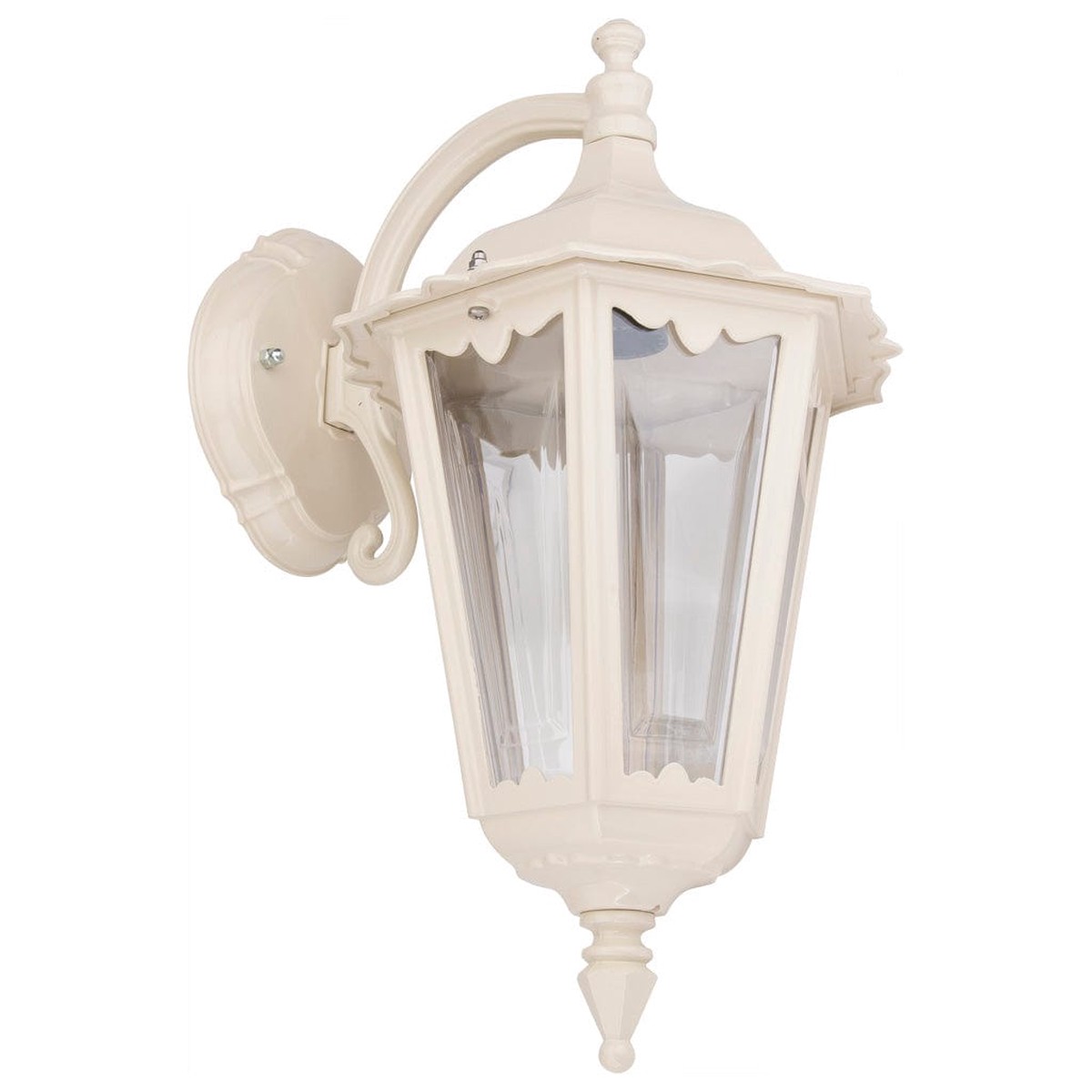
DOMUS CHESTER WALL BRACKET C-ARM
$123.995 $247.99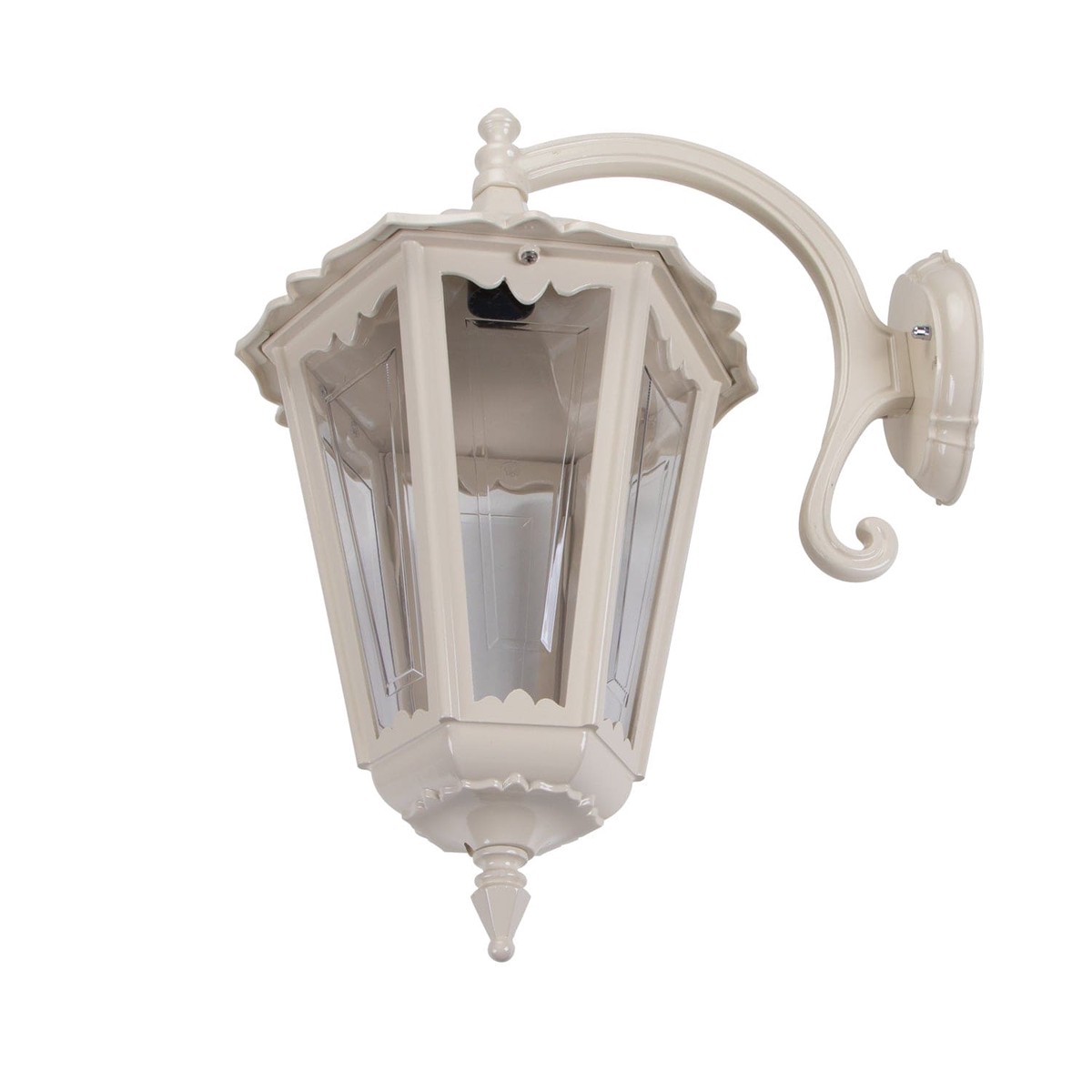 -70%
DOMUS CHESTER-LARGE WALL BRACKET C-ARM
$124.5 $415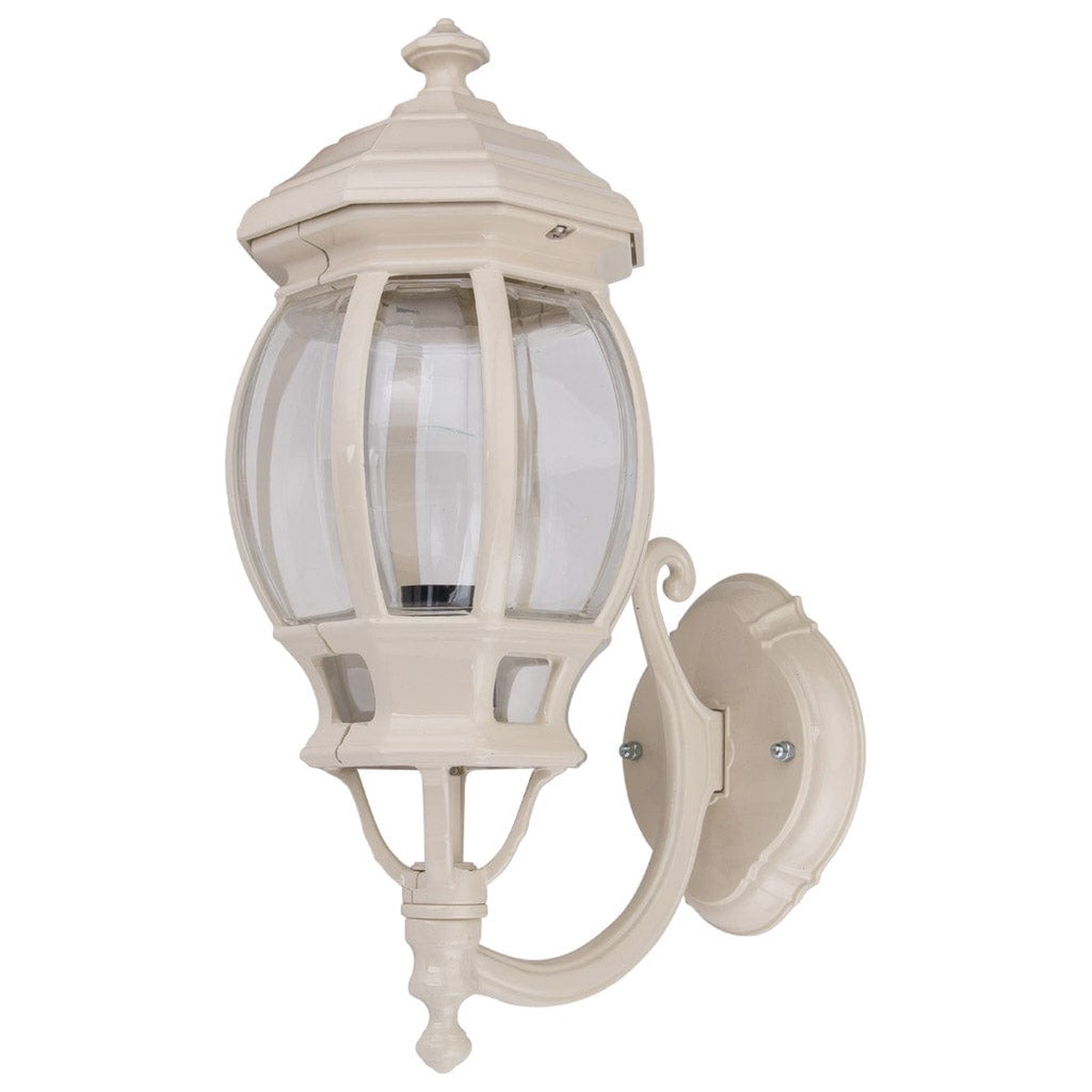 -57%